
Introduction
Brazil is fundamentally reshaping how agricultural finance operates by turning eye-in-the-sky technology into a mandatory gatekeeper for every single rural loan application across the nation. This regulatory shift marks a historic transformation in the relationship between the financial sector and environmental conservation, specifically targeting the preservation of the Amazon rainforest and other critical biomes. By making credit conditional on ecological compliance, the government aims to decouple the country’s massive agribusiness output from illegal deforestation activities.
The objective of this exploration is to clarify how these new requirements function and what they mean for the future of global food production. This article examines the technological mechanisms behind the mandate, the tensions between economic stakeholders, and the practical steps banks are taking to implement these checks. Readers can expect to understand the broader implications of using financial levers to enforce environmental laws in one of the world’s most significant agricultural landscapes.
Key Questions or Key Topics Section
Why Is the Brazilian Government Integrating Satellite Surveillance Directly into the Agricultural Lending Process?
As a global powerhouse in the production of beef and soybeans, Brazil has long faced international pressure to mitigate the environmental impact of its agricultural sector. Historically, the expansion of farmland has often come at the expense of native forests, creating a direct link between economic growth and ecological degradation. To address this, policymakers have decided that traditional law enforcement on the ground must be supplemented by financial oversight to ensure that public and private capital does not inadvertently facilitate environmental crimes.
This policy functions as a sophisticated incentive mechanism that leverages the necessity of credit to foster responsible land use. By requiring financial institutions to verify the status of properties, the government effectively deputizes the banking system to uphold conservation goals. This alignment of financial flows with climate targets ensures that the integrity of the national financial system remains intact while providing a powerful deterrent against illegal clearing practices.
How Does the Verification System Work for Financial Institutions and Property Owners?
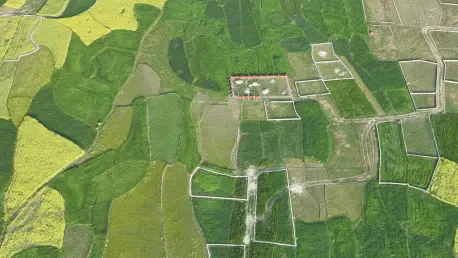
The technical backbone of this mandate relies on a comprehensive registry managed by the Ministry of Environment and Climate Change, which tracks illegally cleared land. Financial institutions must now cross-reference every loan application against this database before any funds are disbursed. This system utilizes advanced satellite monitoring provided by the National Institute for Space Research, which identifies land use changes occurring after July 2019 to ensure that recent deforestation is penalized.
Moreover, the process is designed to be highly automated, allowing for rapid checks during the initial stages of a credit request. If a property appears in the registry, the application is automatically flagged, prompting a deeper investigation into the legality of the land use. This integration of real-time data into the banking workflow represents a shift toward a more transparent and data-driven approach to agricultural development, reducing the reliance on self-reported information from landholders.
What Are the Primary Concerns Raised by the Agricultural Sector Regarding These New Mandates?
While the environmental benefits are clear, the agricultural lobby has expressed significant reservations about the potential for bureaucratic delays and legal uncertainty. Representative bodies argue that satellite alerts do not always distinguish between authorized clearing, which is legal under specific conditions, and illegal deforestation. This lack of initial nuance could lead to the unfair denial of credit to compliant farmers who are operating within the bounds of the law but have been mistakenly flagged by the automated system.
Consequently, there is a growing concern that these mandates might restrict the flow of capital to essential farming operations, particularly for smaller producers who lack the resources to contest automated findings. The agricultural sector has advocated for legislative adjustments to ensure that the burden of proof does not fall solely on the producer and that the system includes more robust mechanisms for immediate appeal. This tension highlights the ongoing struggle to balance economic efficiency with the urgent need for environmental accountability.
Can a Property Owner Still Secure Funding if Their Land Is Flagged by the Satellite Monitoring System?
According to the Brazilian Federation of Banks, a flag in the system does not necessarily result in a permanent rejection of credit. Instead, it triggers a requirement for additional documentation to prove that the property is either in compliance or undergoing a formal restoration process. Farmers who find their land listed can submit technical reports or reforestation plans that demonstrate a commitment to rectifying past environmental infractions, thereby maintaining their eligibility for funding.
Furthermore, the financial sector has adapted its internal processes to handle these nuances, ensuring that the credit cycle remains functional despite the additional oversight. This flexibility is crucial for maintaining the stability of the agribusiness sector while still upholding the spirit of the regulation. By providing a pathway for restoration and compliance, the policy encourages landholders to resolve their environmental standing rather than simply excluding them from the formal economy.
Summary or Recap
The mandate to integrate satellite verification into rural credit marks a pivotal moment in the intersection of finance and ecology. This regulatory framework ensures that the vast capital powering Brazil’s agribusiness sector is directed toward sustainable practices, effectively making environmental compliance a prerequisite for economic participation. While the agricultural sector remains concerned about the potential for administrative hurdles, the availability of pathways for remediation offers a balanced approach to enforcement.
Ultimately, these measures reinforce the role of the financial system as a guardian of national environmental policy. The shift toward data-driven oversight provides a model for other nations looking to align their economic engines with global climate commitments. For those interested in the evolving landscape of sustainable finance, monitoring the long-term success of this initiative will be essential as it sets a new standard for transparency in global supply chains.
Conclusion or Final Thoughts
The implementation of this mandate demonstrated how economic levers could be successfully pivoted to address urgent climate challenges. It was clear that the integration of high-resolution satellite data into banking workflows created a more resilient and accountable agricultural sector. Stakeholders recognized that long-term economic stability was inextricably linked to the health of the ecosystems that supported their production.
As global markets continued to demand greater transparency, the proactive steps taken during this period provided a competitive advantage for those who embraced sustainability. It was no longer sufficient to focus solely on yields and profits; the legacy of this policy proved that environmental stewardship had become a core component of financial risk management. This transition suggested that future developments in rural credit would likely involve even more granular monitoring, pushing the entire industry toward a more restorative relationship with the natural world.