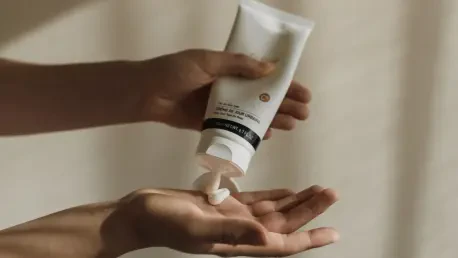

Industry innovators like Olaplex are bridging the gap between hair repair and aesthetics by combining proprietary bond-building technology with traditional curl definition benefits. This strategic integration of scientific advancement and consumer desire for styling efficacy has catalyzed a remarkable shift in the global beauty landscape, particularly as the industry transitions further into this new era of personalization. The narrative surrounding curly and coily hair has moved beyond mere management toward a celebration of natural architecture, a change that is reflected in the market’s robust trajectory. With a valuation of $721.7 million in 2025, the sector is expanding rapidly toward a projected $1.48 billion by 2036, signaling a profound change in how consumers allocate their personal care budgets. This growth is sustained by a 6.8% compound annual growth rate that underscores the movement away from chemical relaxers and high-heat styling tools that defined previous decades. Today, the priority is maintaining the biological integrity of the hair while achieving a level of definition that was once only possible through heavy, rigid gels or damaging salon procedures, creating a massive economic opportunity for brands that can effectively balance these competing needs.
The current market momentum is heavily influenced by the accessibility of information and the democratization of hair care education through digital channels. Consumers are no longer passive recipients of marketing messages; instead, they are active participants who understand the nuances of porosity, elasticity, and protein-moisture balance. This heightened awareness has forced manufacturers to innovate at a faster pace, ensuring that their formulas do more than just provide temporary hold. As we move from 2026 to 2036, the integration of advanced delivery systems and sustainable sourcing will be the primary factors separating market leaders from those who fail to capture the modern consumer’s loyalty. The emergence of specialized curl definition creams represents a maturation of the category, where efficacy is measured not just by the final aesthetic but by the health of the hair fiber days after the initial application. This focus on longevity and hair health is creating a stable foundation for the industry, ensuring that the current growth is not a fleeting trend but a long-term restructuring of the global beauty economy.
Biological Foundations: The Science of Textured Hair Care
The physical structure of curly and coily hair presents a unique set of chemical challenges that manufacturers must address to remain competitive. Because the hair follicle for textured hair is elliptical rather than round, the resulting hair shaft has a series of twists and turns that make it difficult for natural scalp oils, or sebum, to migrate from the root to the tip. This inherent biological trait leads to chronic dryness and increased susceptibility to environmental damage. Consequently, the formulation of curl definition creams has shifted from simple styling agents to complex emulsions that mimic the hair’s natural lipids. By focusing on the moisture-deprived nature of the hair fiber, modern creams are designed to fill in the gaps in the cuticle, providing a smooth surface that reflects light and reduces friction. This scientific approach ensures that the definition achieved is not just a result of a film-forming polymer but a consequence of a healthier, more hydrated hair structure that can maintain its shape without excessive intervention.
Consumer expectations have evolved alongside these biological understandings, leading to a demand for what is often called the “soft-touch” finish. In previous decades, the goal of curl definition was often synonymous with “hold,” which resulted in products that left the hair feeling stiff, crunchy, or visibly coated in residue. However, the modern shopper now prioritizes tactile quality and natural movement. They seek products that allow curls to bounce and swing while remaining protected from the expansion caused by high humidity. To meet these needs, laboratories are experimenting with sophisticated polymers and natural waxes that provide “memory” to the curl without the rigidity of traditional resins. This shift in preference has necessitated a complete overhaul of the sensory profiles of curl creams, as consumers now expect a lightweight feel that leaves no trace of stickiness or flaking, even after multiple days of wear and refreshing.
Furthermore, the “skinification” of the hair care category has introduced a new vocabulary to the curl definition market. Consumers now look for ingredients they previously only associated with high-end facial serums, such as hyaluronic acid, squalane, and various types of ceramides. These ingredients are valued for their ability to penetrate the hair shaft and lock in moisture at a molecular level. This crossover between skincare and hair care is driving the premiumization of the market, as users are willing to pay a higher price for products that offer clinical-grade benefits. Brands that successfully market their creams as “skincare for the hair” are seeing higher engagement rates, as they tap into the broader wellness movement that views grooming as an essential component of self-care. This trend is expected to intensify from 2026 to 2036, with formulas becoming increasingly complex as they attempt to solve multiple issues, from UV protection to pollution defense, within a single styling step.
Market Anatomy: Analyzing Product Formats and Performance
The current market landscape is strategically segmented to address the varying needs of a diverse global population. Core or classic product lines remain the dominant force, accounting for approximately 37.0% of the total market share. These products serve as the foundational tools for the “wash-and-go” routines that have become the standard for many individuals with textured hair. Their popularity is rooted in their versatility and ease of use, making them accessible to consumers who may not have the time or expertise for complex multi-step styling processes. However, within this dominant segment, we are seeing a shift toward more specialized “targeted treatments” that address specific concerns such as thinning, extreme damage, or color preservation. This indicates that while the classic cream remains a staple, the expectation for what a “standard” product can achieve is rising, forcing brands to elevate their basic formulas to maintain their market position.
In terms of physical format, the cream and balm category continues to lead the way, representing a significant portion of total sales. This preference is largely due to the viscosity of these products, which allows for better control during application and ensures that the hair is thoroughly coated from root to tip. For users with high-porosity or very dense hair, a cream provides the necessary weight to elongate the curl and prevent excessive shrinkage, a common challenge in the curly hair community. While gels and foams are still widely used, they are increasingly being viewed as secondary products to be layered over a base cream. This layering technique, often referred to as the “LOC” (Liquid, Oil, Cream) or “LCO” method, has solidified the cream’s role as the most critical component in the styling routine. As we progress toward 2036, we can expect to see further innovations in “hybrid” formats, such as cream-gels, which attempt to provide the hydration of a balm with the long-lasting hold of a traditional gel.
The formulation philosophy of the market is also undergoing a major transition from conventional ingredients to more sustainable and ethically sourced alternatives. While mainstream formulas currently hold a 61.0% market share due to their cost-effectiveness and proven performance, the growth of vegan and organic segments is outpacing the rest of the market. Brands like Kao’s Goldwell have already set a precedent by relaunching entire lines with a focus on vegan positioning and carbon-neutral manufacturing. This is not just a response to regulatory pressure but a direct reaction to the purchasing habits of younger generations who view environmental responsibility as a non-negotiable trait of the brands they support. The challenge for manufacturers in this space is to replicate the performance of synthetic silicones and parabens using natural plant-based esters and fermentation-derived preservatives, a task that requires significant investment in research and development but offers substantial rewards in consumer trust and brand equity.
Geographic Expansion: Regional Dynamics and the Digital Marketplace
The growth of the curl definition creams market is not a uniform global phenomenon; rather, it is characterized by distinct regional trends and economic drivers. The United Arab Emirates has emerged as one of the fastest-growing markets, with an expected CAGR of 8.1% between 2026 and 2036. This expansion is driven by Dubai’s status as a global hub for the beauty trade and a population that is highly invested in luxury personal care. In this region, there is a strong preference for high-performance, premium products that can withstand the extreme heat and humidity of the desert climate. Similarly, South Korea is seeing a rapid rise in demand for specialized hair care, as the country’s “K-Beauty” influence expands beyond skincare into the realm of texture management. South Korean manufacturers are leveraging their advanced chemical infrastructure to create innovative curl creams that are now being exported to Western markets, further intensifying global competition.
In North America, particularly the United States, the market remains the largest in terms of sheer volume and total value. The diverse demographic profile of the U.S. population creates an enormous functional need for products that cater to a wide range of curl types, from loose waves to tight coils. The maturity of the American market means that competition is fierce, and brands must differentiate themselves through advanced technology or strong community-driven marketing. The U.S. also serves as the primary testing ground for many new product launches, with consumers there being among the most likely to adopt new trends such as bond-building stylers or scalp-focused creams. As we look toward the next decade, the U.S. market is expected to maintain a steady growth rate of 7.2%, supported by a robust retail infrastructure and a deeply ingrained culture of natural hair advocacy that continues to gain momentum.
The digital revolution has fundamentally altered the way these products are discovered and purchased, especially in the European and Japanese markets. In Germany and France, the shift toward e-commerce has allowed smaller, independent brands to compete with established conglomerates by reaching consumers directly through social media and specialized beauty platforms. These digital channels serve as more than just storefronts; they are educational hubs where users can learn specific techniques such as “plopping,” “scrunching,” or “finger coiling.” This emphasis on education is crucial for the curl cream market because the success of the product is often dependent on the application method. Brands that provide comprehensive video tutorials and AI-driven hair analysis tools are seeing significantly higher conversion rates and lower return rates. By 2036, the integration of augmented reality and personalized digital consultations will likely become the standard for the industry, making the “online-first” strategy essential for global success.
The Regulatory Environment: Transparency and Safety Standards
Navigating the global regulatory landscape has become an increasingly complex endeavor for manufacturers of curl definition creams. In the United States, the implementation of the Modernization of Cosmetics Regulation Act, known as MoCRA, has introduced a new level of federal oversight that was previously absent from the industry. This legislation requires brands to register their facilities and provide detailed product listings, including a complete disclosure of ingredients and any reports of adverse events. For the consumer, this means a higher level of transparency and safety, as the FDA now has the authority to mandate recalls and investigate manufacturing practices more thoroughly. For brands, however, it necessitates a significant investment in administrative and compliance infrastructure. This move toward greater accountability is reshaping the market, as only those companies that can demonstrate rigorous safety standards will be able to thrive in the long term.
Across the Atlantic, the European Union continues to lead the world in cosmetic safety standards, particularly through the recent expansion of regulations regarding fragrance allergens. Regulation 2023/1545 has broadened the list of substances that must be explicitly labeled on packaging if they exceed certain concentrations in leave-on products. Since curl definition creams are designed to remain on the hair for several days between washes, they are subject to the strictest interpretations of these rules. This has forced many global brands to reformulate their products or update their labeling for the European market, adding another layer of cost and complexity to their operations. The EU’s focus on “clean” beauty and chemical safety serves as a benchmark for other regions, often predicting the regulatory changes that will eventually be adopted in North America and Asia.
In the Middle East, the regulatory environment is characterized by strict post-market monitoring and pre-market registration requirements. Countries like Saudi Arabia and the United Arab Emirates have established rigorous systems through the Saudi Food and Drug Authority and the Dubai Municipality to ensure that all imported beauty products meet local safety and quality standards. These agencies conduct regular audits and require documented proof of product claims, which is particularly important in a market where “medicalized” hair care is in high demand. Brands that can navigate these hurdles are rewarded with access to a highly lucrative and loyal consumer base. However, the high barrier to entry means that many smaller companies are forced to partner with local distributors or larger conglomerates to enter these markets, leading to a trend of consolidation within the international beauty sector that is expected to continue through 2036.
Corporate Innovation: Strategic Maneuvers of Industry Giants
The competitive landscape of the curl definition creams market is defined by a blend of large-scale industrial power and agile, specialized innovation. Major conglomerates like L’Oreal and Unilever have historically dominated the mass-market segment, but they are increasingly looking toward acquisitions to bolster their professional and “masstige” portfolios. L’Oreal’s recent strategic moves, including the integration of specialized technologies from its acquired brands, have allowed it to offer professional-grade curl care to a wider audience. By leveraging their massive distribution networks, these giants can quickly scale a successful formula from a small niche brand to a global bestseller. This strategy of “acquisition and expansion” is a primary driver of the market’s current valuation, as it allows for the rapid dissemination of advanced hair care technology to consumers in every corner of the world.
In contrast, brands like Olaplex and Color Wow have found success by focusing on a “hero product” strategy that emphasizes a specific, proprietary technological advantage. By positioning themselves as problem-solvers rather than general styling brands, they have built intense consumer loyalty. Olaplex, in particular, has redefined the category by applying its bond-building chemistry to the styling process, allowing users to repair their hair while they define their curls. This “hybrid” approach is proving to be highly effective, as it addresses the two primary concerns of the curly hair community: definition and damage. As we move from 2026 toward 2036, we can expect to see more of these specialized brands being targeted for acquisition by larger companies that are eager to incorporate these high-growth, high-margin products into their broader portfolios.
The role of the professional salon remains a critical element of the market’s ecosystem, acting as both a sales channel and a center for consumer education. Companies like Henkel and Wella maintain a strong presence in the professional world, providing stylists with specialized tools and training for managing textured hair. When a professional stylist recommends a specific curl cream during a service, the likelihood of a retail purchase increases exponentially. This “chair-to-home” pipeline is a vital part of the industry’s growth strategy, as it builds a level of trust that is difficult to replicate through traditional advertising alone. Professional brands are now creating more “retail-friendly” versions of their salon products, making it easier for consumers to maintain their look between appointments. This synergy between professional expertise and home convenience is expected to be a major theme in the market’s evolution over the next decade.
Navigating Constraints: Addressing Formula Limitations and Costs
Despite the overwhelmingly positive growth projections, the curl definition market faces several significant hurdles that could limit expansion if not addressed strategically. One of the most persistent challenges is the “formula fit” barrier, which refers to the difficulty of creating a single product that works across all curl types. Hair porosity, density, and strand thickness all play a role in how a cream interacts with the hair fiber. A product that is perfect for thick, coily hair may be far too heavy for someone with fine, wavy hair, leading to a flat and greasy appearance. This lack of a “universal” solution often leads to consumer frustration and a high rate of brand switching. To overcome this, manufacturers are increasingly offering “light” and “rich” versions of their most popular creams, but this increases the complexity of inventory management and retail shelf space, presenting a logistical challenge for smaller brands.
Sensory performance is another area where brands must maintain a delicate balance to avoid losing market share. Modern consumers are extremely sensitive to the “feel” of their hair and will quickly abandon a product that leaves a sticky residue, causes flaking, or has an overpowering fragrance. Achieving a high level of hold without these negative sensory attributes requires expensive, high-quality ingredients and sophisticated manufacturing processes. Furthermore, the push for “natural” and “clean” labels has removed some of the traditional chemical tools that formulators used to achieve these results. Finding natural alternatives that perform as well as their synthetic counterparts is a constant struggle for R&D departments, often leading to higher production costs that must be passed on to the consumer. This price sensitivity can be a major restraint in the mass-market segment, where every cent added to the retail price can impact sales volume.
The rising cost of global compliance is perhaps the most significant structural constraint facing the industry. The administrative burden of meeting the diverse and often conflicting requirements of MoCRA in the U.S., fragrance labeling in the EU, and registration systems in the Middle East is immense. For a small or medium-sized enterprise, the cost of laboratory testing, legal consultations, and updated packaging can be prohibitively expensive. This regulatory pressure is likely to lead to a period of market consolidation between 2026 and 2036, as smaller brands that cannot afford to stay compliant are either acquired by larger companies or forced to exit the market. This trend could limit innovation in the short term, as smaller, more experimental brands are the traditional drivers of new ideas, but it will ultimately result in a safer and more transparent industry for the global consumer.
Strategic Horizons: Innovation Paths and Future Outlook
The research into the global curl definition creams market revealed a landscape that was defined by a rapid transition toward scientific sophistication and ethical transparency. The data indicated that the move toward celebrating natural textures was not merely a stylistic trend but a fundamental shift in consumer identity that demanded a more rigorous approach to product development. Industry leaders successfully navigated the biological complexities of textured hair by integrating skincare-inspired ingredients and advanced polymer technology into their formulas. This focus on “hybrid” products that offered both aesthetic and clinical benefits was found to be the most effective strategy for capturing market share in the premium and professional segments. Furthermore, the analysis showed that the digital marketplace had become the primary engine for consumer education, with brands that invested in high-quality video content and AI-driven analysis tools seeing a significant advantage in customer retention.
The analysis demonstrated that regional growth was heavily influenced by local economic conditions and regulatory frameworks, with the Middle East and South Korea emerging as key drivers of innovation. The findings suggested that the U.S. market remained the cornerstone of the industry due to its massive and diverse consumer base, while the European market led the way in establishing safety and sustainability standards. The research concluded that the most successful companies were those that managed to bridge the gap between salon-quality performance and at-home accessibility. It was also noted that the rising costs of regulatory compliance and the challenges of creating “universal” formulas acted as the primary constraints on market expansion. However, the overall trajectory remained positive, with the integration of sustainability and advanced digital tools expected to propel the market toward its $1.48 billion goal.
Moving forward, stakeholders in the curl definition market should prioritize the development of “smart” formulations that can adapt to different environmental conditions, such as variable humidity levels. There is a significant opportunity for brands to leverage artificial intelligence to provide personalized product recommendations based on a user’s specific hair porosity and lifestyle. Furthermore, the industry must continue its shift toward sustainable packaging and “clean” chemistry to meet the non-negotiable demands of the modern consumer. Investment in professional education will remain vital, as stylists continue to serve as the most trusted influencers in the hair care space. By focusing on the intersection of hair health, digital innovation, and environmental responsibility, brands can ensure they are well-positioned to capitalize on the sustained growth of this vibrant and essential beauty category through the next decade and beyond.