
The sudden paralysis of South Africa’s logistics network serves as a sobering reminder that the nation’s economic heartbeat is inextricably linked to the volatile shifts of global energy markets. As fuel prices reach heights never before seen in the post-industrial era, the ripple effects are moving far beyond the gas station, threatening the very foundations of regional trade and domestic stability.
Mapping the South African Petroleum Landscape and Energy Dependency
Fuel serves as the primary lifeblood of the South African economy, powering a vast logistics network that connects coastal ports to inland industrial centers. Because the country relies heavily on the Basic Fuel Price (BFP) mechanism, local costs are directly tethered to international oil benchmarks, leaving the domestic market highly susceptible to foreign supply shocks.
This structural dependency creates a precarious environment for key market players and distribution networks. From refineries along the coast to the high-demand hubs in Johannesburg, any disruption in the flow of petroleum products immediately impacts the transportation of essential goods. The current intersection of energy supply and national economic stability highlights a significant vulnerability within this developing market.
Shifting Dynamics in Energy Consumption and Market Fluctuations
Global Geopolitical Instability and Local Consumer Shifts
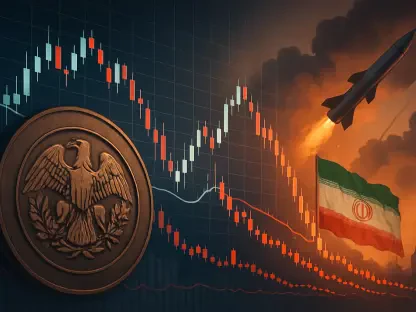
Geopolitical friction, particularly the ongoing conflict involving Iran, has severely compromised global crude oil supply chains. This instability has forced a dramatic shift in local motorist behavior, as panic buying becomes a frequent occurrence at pumps across the country. Consequently, fuel rationing has become a necessary, albeit unpopular, tool to manage dwindling local inventories.
The high cost of personal transit is also altering how citizens move, pushing a record number of commuters toward public transport. However, even these systems are under strain as traditional transit options struggle to absorb the influx of passengers while facing their own rising operational overheads. This shift represents a fundamental change in daily South African life.
Data-Driven Performance Indicators and Inflationary Projections
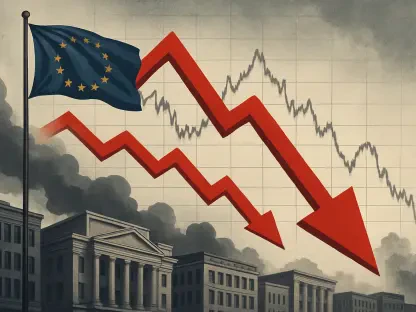
The statistical reality of the current crisis is staggering, with diesel prices climbing by 7.51 rand and gasoline by 3.06 rand. Such sharp increases have sent shockwaves through the Consumer Price Index (CPI), as the cost of moving food and commercial products escalates. Analysts now project a sustained period of high inflation that could dampen consumer spending for the foreseeable future.
Furthermore, the emergency fiscal interventions designed to shield the public have come at a steep price. The government has already faced a loss of over $351 million in tax revenue due to levy reductions. This massive deficit complicates the national budget, making it harder to fund other essential infrastructure projects while trying to stabilize the energy sector.
Navigating Logistical Paralysis and Supply Chain Volatility
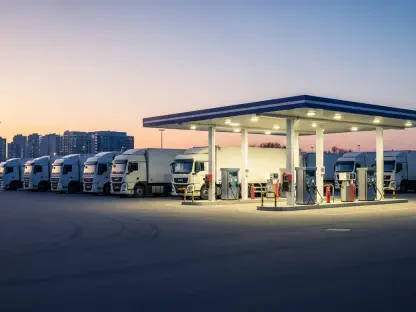
Inland regions like Gauteng are currently bearing the brunt of the shortage, with strict rationing measures limiting drivers to small quantities of fuel. These restrictions are not merely an inconvenience but a logistical hurdle that slows the movement of commercial freight. As trucks sit idle, the supply chains for manufacturing and retail begin to buckle under the pressure.
The scarcity of diesel has even silenced the engines of essential public services, leading to total shutdowns at major bus depots in Pretoria. For low-income households, this creates a compounding socioeconomic burden. When public transport fails and food prices rise due to transport overheads, the threat to national food security becomes a tangible and urgent concern for policymakers.
Fiscal Interventions and the Evolving Regulatory Framework
The Department of Finance attempted to mitigate the damage by implementing a 3 rand fuel levy reduction to provide immediate relief. While this provided a temporary cushion for consumers, the sustainability of such subsidies is highly questionable given the widening national fiscal deficit. Long-term reliance on tax cuts to solve price volatility may eventually drain the treasury of vital resources.
Beyond financial aid, the government is increasing compliance and security measures to oversee fuel distribution during these periods of extreme scarcity. There is a growing debate regarding the need for a new regulatory framework that could decouple domestic pricing from international geopolitical shocks. Such a shift would require a total rethink of how the energy market is governed.
The Road Ahead: Forecasting Resilience and Alternative Energy Paths
The current crisis has accelerated interest in emerging technologies, particularly the adoption of electric vehicles (EVs) for commercial and personal use. By reducing the reliance on imported petroleum, the nation could potentially insulate its transport sector from future global oil shocks. This transition is no longer a distant goal but a present-day economic necessity.
Moreover, green hydrogen and synthetic fuels are being explored as long-term hedges against market volatility. Investing in localized renewable energy to power public transport grids offers a path toward greater energy sovereignty. The success of these initiatives will largely depend on global economic conditions and South Africa’s ability to attract green investment.
Synthesizing the Economic Impact and Strategic Recommendations
The Solidarity Research Institute has clearly outlined the depth of national economic vulnerability, suggesting that the current model is no longer tenable. To protect the treasury from future revenue losses, the strategic diversification of energy sources must become a top priority. Building infrastructure resilience is the only way to ensure that the logistics sector can survive future price spikes.
Moving forward, the focus should shift toward creating a decentralized energy grid that utilizes local resources. Decision-makers were forced to balance the immediate needs of a vulnerable populace with the long-term health of the national budget. Ultimately, the lessons learned from this period of record hikes provided a blueprint for a more self-sufficient and resilient South African energy landscape.