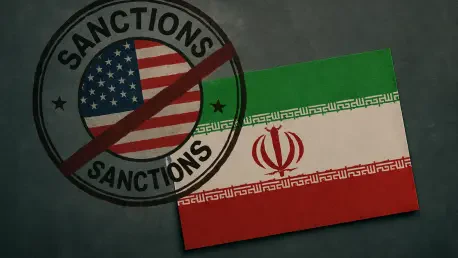

In a direct response to the Iranian government’s forceful suppression of nationwide demonstrations fueled by economic despair and a collapsing national currency, the United States government has enacted a new wave of punitive sanctions. The measures specifically target high-ranking officials and financial entities implicated in the violent crackdown on protesters. These demonstrations, which initially erupted over severe economic hardship, quickly evolved into a broader challenge against the ruling establishment, prompting a severe government response. The U.S. administration framed the sanctions as a clear message of support for the Iranian people’s rights to peaceful assembly and free expression. Treasury Secretary Scott Bessent articulated this stance, emphasizing a commitment to stand with the citizens’ “call for freedom and justice.” This action represents the latest in a series of diplomatic and economic pressures aimed at holding Iranian leadership accountable for what the U.S. considers significant human rights abuses and the violent quelling of internal dissent.
Targeting Key Figures and Financial Networks
The newly imposed sanctions identify several key individuals and organizations, most notably the secretary of Iran’s Supreme Council for National Security. According to the U.S. Treasury Department, this official was among the first to advocate for using violence against demonstrators, making him a primary target of the measures. Alongside this prominent figure, the sanctions designate an additional 18 people and corporate entities. These parties are accused of operating a sophisticated “shadow banking network” on behalf of two previously sanctioned institutions, Bank Melli and Shhr Bank. This network was allegedly instrumental in circumventing existing restrictions by laundering proceeds from Iranian oil sales, thereby providing a critical financial lifeline to the regime. In a contrasting narrative, Iran’s Foreign Minister, Abbas Araghchi, asserted that the protests, while initially peaceful, were deliberately escalated and made violent by “terrorist elements led from outside” the country, a claim that frames the government’s response as a necessary counter-terrorism operation rather than the suppression of legitimate protest.
The immediate and practical effects of the sanctions were designed to be restrictive, though their ultimate impact was widely seen as more symbolic than substantive. The measures formally denied the designated individuals and firms any access to property or financial assets held within the United States and prohibited American companies and citizens from engaging in any business dealings with them. However, foreign policy analysts noted that these actions were largely symbolic because it was highly unlikely that the targeted Iranian officials or their associated financial entities held significant funds or assets directly within U.S. financial institutions. Consequently, the sanctions served primarily as a strong political statement condemning the Iranian government’s actions and signaling international solidarity with the protesters. This approach aimed to increase diplomatic pressure and publicly name those deemed responsible for the crackdown, even if the direct economic leverage was considered limited from the outset.