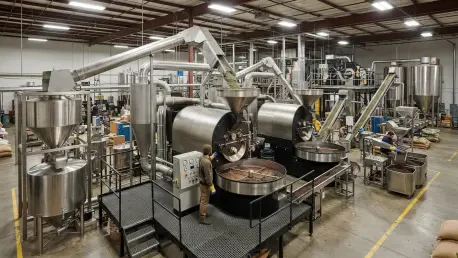

The agreement with One Rock Capital Partners is scheduled to close in mid-2027 and includes the popular Tassimo and Ethical Bean product lines. This massive $650 million transaction involves a suite of iconic labels such as Maxwell House, Gevalia, Nabob, Yuban, and Sanka, marking a definitive end to Kraft Heinz’s direct ownership of its North American coffee segment. For decades, these brands served as morning staples in millions of households, yet the shifting tides of the global food and beverage market have prompted a radical reassessment of what constitutes a core asset. By offloading these legacy brands to One Rock Capital Partners, Kraft Heinz is prioritizing a leaner corporate structure that favors agility over sheer volume. The deal also includes vital infrastructure, specifically the manufacturing facilities located in Jacksonville, Florida, and Vancouver, British Columbia. Approximately 250 full-time employees will transition to the new entity, ensuring that operational knowledge remains intact.
Corporate Transformation: Financial and Strategic Realignments
Debt Reduction and Capital Allocation Strategies
Under the leadership of CEO Steve Cahillane, the decision to divest follows a significant course correction in how the company manages its vast resources. Originally, the corporate roadmap included a complex plan to split the organization into two distinct entities, namely Global Taste Elevation Co. and North American Grocery Co., but that strategy was eventually shelved in favor of a more cohesive internal transformation. This new $700 million growth strategy focuses on high-impact areas like marketing, automation, and restructuring, which require immediate liquidity. By netting approximately $500 million from the coffee sale, the company effectively bolsters its balance sheet, allowing for a more aggressive approach to debt reduction. This financial flexibility is critical in an era of fluctuating interest rates and rising operational costs, as it allows the firm to reinvest in categories that offer higher margins and more sustainable long-term growth potential than the commodity coffee market.
Operational Efficiency through Global Model Consolidation
The abandonment of the previous split plan signifies a shift toward a consolidated global operating model that aims to eliminate redundancies across the supply chain. By integrating procurement and logistics functions, Kraft Heinz seeks to create a more responsive organization that can adapt to rapid changes in consumer behavior without the bureaucratic drag of separate corporate identities. This streamlined approach is designed to enhance the efficiency of remaining product lines, focusing heavily on taste elevation products like condiments and sauces that have shown more resilience in modern retail environments. The divestiture of the coffee business is a tactical move to shed assets that, while profitable, require immense capital to maintain market share against specialized third-wave coffee competitors. Instead of spreading resources thin across every grocery aisle, the company is doubling down on areas where it holds a clear competitive advantage. This philosophy is expected to drive better shareholder value.
Industry Dynamics: The Shift Toward Resilient Assets
Sector Trends and the Surge of Megadeals
The move by Kraft Heinz is not an isolated incident but rather a symptom of a much larger tectonic shift occurring across the entire consumer packaged goods industry. Data from PwC indicates that while the overall volume of deals has seen a decline, the value of megadeals exceeding $5 billion has surged to represent nearly half of the sector’s total deal value. This trend highlights a market that is increasingly defined by massive overhauls rather than incremental acquisitions. For instance, Kimberly-Clark recently integrated Kenvue to strengthen its position in the health and wellness space, while Keurig Dr Pepper is currently laying the groundwork to divide its operations into specialized beverage and coffee companies by 2027. Similarly, McCormick & Co. is moving forward with a significant merger involving Unilever’s food business. These maneuvers suggest that industry leaders are no longer satisfied with broad diversification and are instead seeking to dominate specific niches through aggressive portfolio optimization.
Market Specialization and Future Growth Trajectories
The strategic decision to exit the majority of the North American coffee market provided a clear roadmap for how large-scale food corporations could successfully pivot in a rapidly changing economy. By prioritizing financial health and operational agility over historical brand heritage, the leadership established a framework for growth that relied on specialization rather than broad market coverage. The move successfully reduced corporate debt and streamlined the supply chain, allowing for more targeted investments in high-margin categories like global condiments and snacks. Looking forward, the industry learned that maintaining a minority stake served as a valuable tool for preserving brand legacy while offloading risk. Future considerations for the firm involved leveraging the newly freed capital to explore emerging food technologies and sustainable packaging solutions, ensuring the remaining portfolio stayed relevant to a new generation of consumers. Ultimately, this divestiture demonstrated that even established market leaders could achieve radical reinvention.