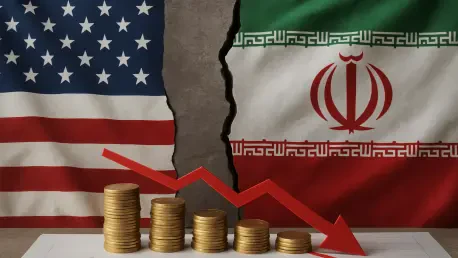

The geopolitical landscape of early 2026 has been fundamentally reshaped by a military confrontation that has rapidly evolved into a pervasive and punishing volatility tax on the American domestic market. This conflict, while concentrated geographically in the Middle East, has sent shockwaves through the global supply chain, manifesting most visibly in a dramatic and sustained spike in diesel and jet fuel prices. By April 2026, crude oil prices have settled into an uneasy stabilization around the $111 per barrel mark, yet this figure only tells a small fraction of the story regarding the true cost of commerce in this new era. The secondary effects on logistics, manufacturing, and agricultural production have created a compounding crisis that threatens to stifle nationwide growth and permanently redefine the standards of the retail experience. Small and mid-sized enterprises are currently navigating a treacherous fiscal environment where every operational decision is scrutinized under the lens of energy dependency and shifting consumer patience.
The emergence of this volatility tax is not merely an isolated inflationary event but a systemic reorganization of how value is created and captured within the American economy. Businesses that once relied on razor-thin margins and efficient “just-in-time” delivery models are finding their cost structures upended by fuel expenses that have nearly doubled as a percentage of total revenue. For instance, in the service-heavy sectors like junk removal and regional moving companies, fuel costs have jumped from a historical average of 5% to a staggering 10%. Unlike massive multinational corporations, these smaller firms operate in a highly competitive and discretionary landscape where passing costs to the consumer is fraught with risk. Many local operators are finding that their large vehicle fleets are becoming idle assets, as the price required to maintain profitability exceeds what a cost-conscious public is willing to pay. This creates a dangerous “Catch-22” where raising prices leads to a loss of volume, while absorbing costs leads to a total exhaustion of capital reserves.
Corporate Surcharges and Market Dominance
Major corporations are currently leveraging their significant market power to pass the burdens of the war tax directly to consumers through strategic surcharges rather than diluting their own profit margins. Industry giants such as Amazon have already implemented specific fuel fees for third-party sellers, effectively pushing the cost of delivery onto the vendors and, ultimately, the end-users. In the aviation sector, carriers like United and Delta have aggressively adjusted their pricing algorithms, increasing ancillary service costs and fuel surcharges to offset the soaring price of kerosene-based jet fuel. Despite these price hikes, consumer demand for air travel remains surprisingly resilient, as the post-pandemic travel boom has transitioned into a more permanent fixture of American life. This resilience provides large-scale players with the pricing latitude necessary to navigate the initial shocks of the conflict without facing an immediate collapse in ticket volume or cargo shipments.
However, economic analysts warn that relying exclusively on surcharges is a temporary defensive measure that may only provide a safety net for the next two or three quarters of the fiscal year. Companies that fail to leverage this period to improve their underlying operational efficiency—such as investing in route optimization software or more fuel-efficient delivery drones—risk a total market reckoning once consumer exhaustion eventually sets in. The current “K-shaped” economy highlights a stark and growing divide where indispensable service providers and massive retailers maintain significant pricing power, while discretionary, smaller businesses are increasingly squeezed into a corner. These smaller entities are often forced to sacrifice their profit margins entirely just to maintain a baseline customer base, creating a fragile environment where one more unexpected supply chain disruption could lead to widespread insolvency across the SME sector.
Macroeconomic Trends and the Consumer Contraction
From a broader macroeconomic perspective, the surge in energy costs acts as a de facto tax on the American public, directly siphoning billions of dollars away from discretionary spending accounts. Since the United States economy remains primarily driven by consumer activity, which accounts for nearly two-thirds of all economic movement, a prolonged conflict with Iran suggests a significant and perhaps inevitable contraction in total GDP. While personal savings built up during more stable periods might buffer the initial blow of a short-term crisis, a multi-year military engagement will likely lead to a sustained period of reduced household spending and slower industrial output. This shift is particularly concerning for the automotive and electronics sectors, where high-interest rates and increased shipping costs have already made major purchases less attractive to the average suburban family looking to manage their monthly budget.
This conflict represents one of the most significant energy supply disruptions in modern history, especially when viewed as a layer of complexity on top of years of structural volatility in the global market. Because energy serves as a critical input for everything from basic agricultural production and irrigation to industrial packaging and high-tech manufacturing, the full weight of these price increases often takes several months to fully reach the retail level. This delay creates a “rolling inflation” effect, where consumers face successive waves of price hikes in groceries and manufactured goods long after the initial energy spike occurred. For example, the cost of plastic packaging, which is highly sensitive to petroleum prices, is just now beginning to impact the shelf price of bottled water and household cleaners. This suggests that even if the military conflict were to conclude tomorrow, the economic aftershocks would continue to reverberate through the domestic supply chain for the foreseeable future.
The End of the Fast and Free Shipping Era
The war-induced fuel crisis is effectively ending the “fast and free” era of American logistics, forcing a fundamental reset of consumer expectations regarding the speed and cost of delivery. For over a decade, rapid shipping was viewed as a standard default by consumers, but rising diesel prices have made this model completely unsustainable for the majority of mid-tier retailers. Logistics leaders are now moving toward a value-based model where consumers are required to make a conscious choice between paying a high premium for overnight speed or opting for slower, consolidated delivery methods that help retailers mitigate the impact of unavoidable fuel surcharges. This change represents a significant psychological shift for the American shopper, who has grown accustomed to the instant gratification of e-commerce without ever truly considering the heavy energy requirements of the “last mile” delivery process.
Even government-affiliated entities and essential infrastructure like the United States Postal Service (USPS) have been forced to adjust their operations, requesting significant surcharges to cover the increased cost of package and express deliveries. For small business owners who rely on these services to reach a national audience, these added fees represent a permanent adjustment to the cost of doing business rather than a temporary hurdle that can be waited out. This shift suggests that the era of subsidizing delivery costs to gain market share is officially over, replaced by a transparent pricing structure that reflects the true volatility of global energy markets and the actual cost of transportation. Consequently, we are seeing a resurgence of “local-first” shopping habits as the cost of shipping a physical good across the country begins to rival the actual value of the product itself, leading to a revitalization of regional distribution centers.
Shifts in Monetary Policy and Consumer Habits
Unlike previous economic crises where the Federal Reserve or the federal government provided immediate stimulus or lowered interest rates to spur growth, the 2026 environment offers little hope for a rescue. Federal Reserve officials have repeatedly indicated that lowering interest rates is currently off the table, as such a move would likely worsen energy-driven inflation and destabilize the dollar. Businesses and consumers are being left to navigate high borrowing costs and expensive energy simultaneously, creating an environment where only the most resourceful and efficient organizations will survive. Without the safety net of government intervention or cheap capital, many firms are being forced to undergo radical internal restructuring, cutting non-essential staff and freezing expansion plans to ensure they can cover their monthly energy bills and debt obligations.
As the conflict persists, American consumers are rapidly adopting more frugal habits, marked by a clear and measurable transition from premium brand-name products to generic or store-brand alternatives. This shift underscores a growing lack of patience for repeated price hikes, especially as households simultaneously contend with secondary pressures like rising healthcare costs and recent import tariffs on essential components. The resulting economic landscape is one of “forced efficiency,” where the long-term success of commerce depends on real-time adaptation and a fundamental reassessment of value. Companies are discovering that brand loyalty is incredibly fragile when the price of a gallon of milk or a gallon of gas reaches a certain psychological threshold. To remain competitive, retailers must now prove their value through transparency and reliability rather than through expensive marketing campaigns or the promise of unsustainable convenience.
Resilience Through Operational Adaptation
The American commercial sector has demonstrated an impressive degree of grit in the face of these compounding pressures, with businesses seeking new ways to insulate themselves from global energy shocks. Many forward-thinking companies have accelerated their transition to electric delivery fleets and localized micro-fulfillment centers to bypass the volatility of the diesel market. These investments, while requiring significant upfront capital, are beginning to pay dividends for those who acted early in the conflict. By decoupling their logistics from the fluctuations of Middle Eastern politics, these firms are gaining a competitive advantage that is becoming increasingly difficult for traditional, oil-dependent businesses to overcome. This shift is not just about environmental sustainability; it has become a core strategy for financial survival and operational continuity in an era where energy security can no longer be taken for granted.
Furthermore, the integration of advanced artificial intelligence into supply chain management has allowed companies to predict and respond to price fluctuations with unprecedented speed. Using real-time data from global shipping lanes and regional energy grids, businesses can now adjust their pricing and inventory levels on a daily basis, rather than waiting for quarterly reviews. This rapid decision-making cycle is essential for maintaining liquidity in a market where a single geopolitical event can change the cost of a shipping container overnight. The businesses that will emerge from this conflict as market leaders are those that have embraced these technological tools to turn volatility into an opportunity for optimization. Resilience in 2026 is defined by the ability to remain agile, lean, and technologically integrated, ensuring that every watt of energy and every dollar of capital is utilized with maximum efficiency to weather the ongoing storm of global conflict.
Strategic Solutions for the Post-Conflict Market
Navigating the remainder of this economic cycle requires a dual-track approach focused on immediate cost mitigation and long-term structural transformation. For small business owners, the most effective next step involved the implementation of dynamic pricing models that clearly separate product costs from fuel surcharges. By being transparent with customers about the “war tax,” businesses can maintain trust while protecting their margins from sudden energy spikes. Additionally, service-based firms should look toward consolidating routes and incentivizing “off-peak” service times to reduce the frequency of vehicle use. These practical adjustments provide an immediate buffer against the high cost of diesel, allowing smaller operators to survive the current squeeze without alienating their local customer base through massive, permanent price increases on basic goods and services.
Looking toward the future, the primary takeaway from this period of instability is the absolute necessity of energy diversification and supply chain localization. Corporations should prioritize the development of regional manufacturing hubs that reduce the total mileage required to bring a product to market, effectively “short-circuiting” the impact of global shipping disruptions. This move toward a more fragmented but resilient production model will serve as a safeguard against future geopolitical conflicts. Consumers, likewise, must continue to prioritize value and durability over transient convenience, supporting a shift toward a more sustainable and less volatile domestic economy. The path forward involves a fundamental rejection of the high-energy, low-cost models of the past in favor of a robust, efficient system that is built to withstand the inevitable complexities of a multipolar world. By embracing these changes now, the American commercial sector can emerge from this conflict with a more sustainable foundation for the years ahead.