
The recent publication of the February Consumer Price Index (CPI) has provided a nuanced snapshot of a domestic economy that appeared to be finding its footing after years of aggressive monetary tightening and fluctuating supply chains. With consumer prices rising by a steady 2.4% on an annual basis and 0.3% month-over-month, the data initially aligned perfectly with the Dow Jones consensus, suggesting that the inflationary fever had finally broken. This stabilization was further supported by core inflation figures, which exclude the typically volatile categories of food and energy, holding firm at a 2.5% annual increase. Within the specifics of the report, several encouraging trends emerged, most notably a significant deceleration in rent increases and a continued decline in the prices of used vehicles and automotive insurance. These internal metrics pointed toward a cooling domestic environment where the Federal Reserve’s long-standing 2% target seemed finally within reach, providing a temporary sigh of relief for both policymakers and market participants who had been bracing for higher volatility.
Geopolitical Volatility and the Crude Oil Surge
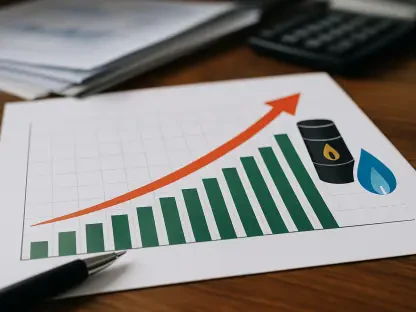
Despite the deceptive tranquility of the February figures, a major shift in the global landscape has fundamentally altered the trajectory of the U.S. economic outlook. The military escalations involving Iran have sent shockwaves through the energy markets, pushing crude oil prices briefly above the critical $100-a-barrel threshold for the first time in recent memory. This geopolitical eruption occurred just as the February data was being finalized, meaning the Consumer Price Index report captured a world that no longer exists in the current operational reality. Economists now widely view the February stabilization as a transient “calm before the storm” rather than a permanent plateau in price growth. The immediate impact of this energy shock is already manifesting in the wholesale markets, where the cost of refined petroleum products has begun to climb rapidly. This sudden reversal threatens to undo months of progress in headline inflation, as the downward pressure from cooling goods prices is now being overwhelmed by the rising costs of raw energy inputs.
The ripple effects of triple-digit oil prices extend far beyond the gas pump, infiltrating nearly every layer of the modern supply chain and manufacturing process. Higher fuel costs translate directly into increased shipping surcharges for maritime and long-haul trucking, which in turn raises the landed cost of consumer electronics, apparel, and basic household necessities. While some categories previously impacted by international tariffs have shown price moderation, the persistence of high service-sector inflation remains a significant hurdle for the broader disinflationary trend. Historically, energy shocks act as a regressive tax on consumers, reducing discretionary spending and complicating the efforts of businesses to maintain profit margins without passing costs along to the end-user. As the March data begins to incorporate these surging oil prices, the discrepancy between core inflation and headline inflation is expected to widen significantly. This divergence presents a complex challenge for analysts who must now separate temporary external shocks from the underlying domestic price stability.
Federal Reserve Strategy and Market Volatility
Faced with this sudden intersection of domestic cooling and international chaos, the Federal Reserve has found its policy roadmap significantly more complicated as the March 18 meeting approaches. While the February CPI might have justified a more dovish tone under normal circumstances, the looming threat of an energy-driven inflation spike makes an interest rate cut in the near term highly improbable. Central bank officials are now forced to weigh the benefits of current price stabilization against the high probability of a secondary inflation wave triggered by external factors. Consequently, the previous expectations for a summer rate reduction have largely evaporated, with market projections now shifting toward a potential move no earlier than September. This cautious approach reflects the Fed’s commitment to ensuring that inflation does not become entrenched at levels above their mandate due to temporary but potent global shocks. The central bank remains in a state of high alert, prioritizing the restoration of long-term price stability over the immediate desires of the financial markets.
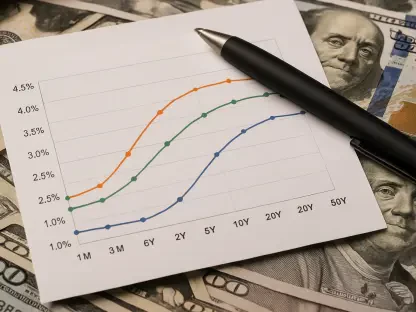
The financial markets have reacted with predictable unease to the prospect of a prolonged high-rate environment combined with escalating geopolitical risk. Stock futures experienced a sharp downturn following the realization that the February reprieve was unlikely to persist, while Treasury yields spiked as investors adjusted their portfolios for a more hawkish Federal Reserve. This volatility underscores a fundamental shift in market sentiment from optimism about a “soft landing” to a defensive posture focused on risk mitigation and capital preservation. Professional investors are increasingly scrutinizing the sensitivity of various sectors to energy prices, with a renewed focus on defensive stocks and commodities that might serve as a hedge against global instability. The yield curve remains a primary point of concern, reflecting deep-seated uncertainty about the long-term impact of the Middle East conflict on the global economy. As capital flows toward safer assets, the cost of borrowing for corporations and homeowners alike is likely to remain elevated, further cooling economic activity.
Strategic Responses to a Shifting Economic Landscape
In light of these developments, businesses and financial planners sought to adapt by implementing more robust hedging strategies to offset the unpredictability of energy-intensive operations. The focus transitioned from simple cost-cutting to a more sophisticated model of operational resilience, where supply chain flexibility and energy efficiency became the primary drivers of competitive advantage. Companies that prioritized the integration of renewable energy sources or optimized their logistics networks were better positioned to weather the volatility than those relying solely on traditional fossil fuels. On the investment side, a clear preference emerged for diversified portfolios that could withstand both inflationary pressure and high interest rates. Policymakers and industry leaders recognized that the path to a 2% inflation target was no longer a straight line but a complex navigation through a series of global disruptions. By the end of this period, it became evident that the stabilization observed in early 2026 served as a vital foundation.
The final analysis of the quarter indicated that the most successful organizations were those that maintained a forward-looking perspective, anticipating that external shocks would become a permanent feature of the modern economy. Rather than waiting for a return to the low-inflation environment of the past, these entities invested heavily in data analytics to predict price fluctuations and adjusted their pricing models in real-time. This proactive approach allowed them to preserve margins while the broader market struggled with the sudden spike in energy costs. Investors who focused on long-term structural trends rather than month-over-month data points found more stability during the period of high volatility. Ultimately, the transition through this energy crisis highlighted the necessity of balancing domestic fiscal health with a global risk management strategy. The lessons learned during these months suggested that future economic planning must account for the reality that domestic progress can be quickly overshadowed by external geopolitical events, requiring a new level of institutional agility and strategic foresight.