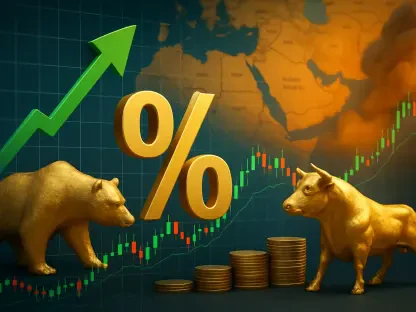

The intricate dance between energy prices and equity performance reached a fever pitch today as the pan-European Stoxx 600 index climbed 0.6% despite a backdrop of escalating Middle Eastern friction. While high fuel costs traditionally act as a drag on economic expansion, the current climate reveals a sophisticated market where utilities and insurance sectors provide a necessary buffer against industrial cooling. This resilience highlights a shift in investor behavior, where the immediate profitability of energy majors outweighs the systemic risks of a regional conflict.
The Convergence of Energy Security and Market Stability
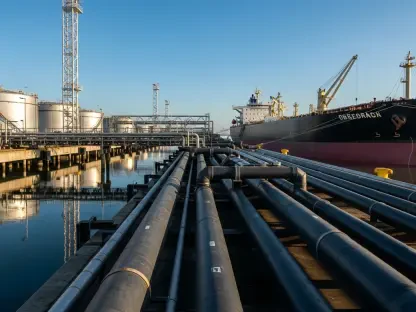
History suggests that any disruption in the Strait of Hormuz sends ripples through global finance, and the current breach of the $100 per barrel mark for Brent crude is no exception. Fresh attacks on critical energy infrastructure have reignited fears regarding the physical safety of supply chains, forcing a re-evaluation of maritime protection efforts. This environment is significant because it illustrates the fragile link between diplomatic stability and the inflationary pressures currently squeezing Western economies.
Drivers of Growth and Risk in the Current Economic Climate
Sector Rotation and the Surge in Energy Equities
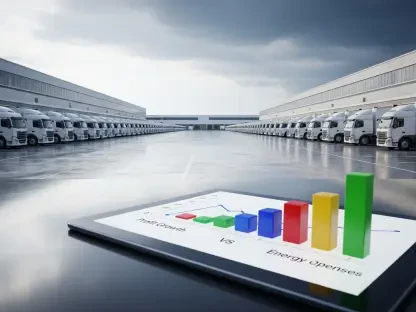
The recent uptick in European indices stems from a tactical rotation toward defensive assets that thrive during periods of commodity scarcity. As oil valuations soar, energy giants have seen their market caps expand, effectively dragging the broader Stoxx 600 into positive territory. However, this growth faces a constant tug-of-war with the manufacturing sector, which views rising input costs as a persistent tax on production.
Geopolitical Friction and the Diplomatic Disconnect
A visible gap has emerged between administrative rhetoric and the reality of shipping lane security. While some officials highlight the continued movement of tankers, others note a lack of international military cohesion, creating a “risk premium” that complicates traditional modeling. This uncertainty forces fund managers to weigh optimistic political statements against the tangible threat of a prolonged supply disruption.
Global Market Synchronization and Central Bank Caution
Across the Atlantic, the Federal Reserve faces mounting pressure to cut rates, yet the specter of energy-driven inflation suggests a more hawkish path is likely. By maintaining current interest rates, central banks aim to anchor expectations even as major indices like the S&P 500 trend upward. This highlights a market currently prioritizing corporate earnings over the immediate threat of military escalation.
Emerging Trends Shaping the Future Investment Landscape
The current crisis is accelerating a transition toward domestic energy independence as a matter of national security rather than just environmental policy. Moving forward, we expect regulatory shifts to favor localized supply chains and renewable infrastructure to mitigate the volatility of fossil fuel markets. If oil prices remain elevated, central banks may be forced into a pivot that prioritizes stability over the post-pandemic recovery.
Strategic Takeaways for Navigating Market Volatility
For professionals, the current environment necessitates a portfolio balanced with energy and insurance hedges to offset potential shocks in the industrial sector. Monitoring real-time shipping data has become as vital as tracking corporate earnings reports for accurate risk assessment. Investors should prepare for a “higher-for-longer” interest rate environment as long as geopolitical instability continues to underpin high input costs.
Balancing Corporate Performance with Global Uncertainty
The rise in European equities demonstrated that markets could find growth even when the global energy map was under duress. This period showed that while $100 oil presented a hurdle for consumers, it also acted as a temporary engine for specific financial segments. Ultimately, the strategic focus shifted toward securing long-term supply chain integrity as the unpredictable nature of international diplomacy remained the primary driver of market volatility.