
A Bullish Response to a New Era of Global Trade
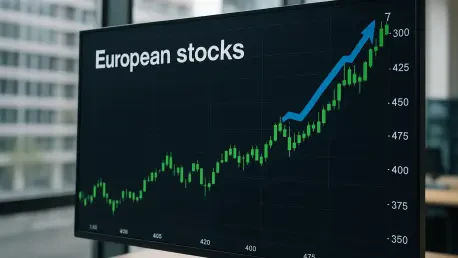
European stock markets surged with renewed vigor on Tuesday, overwhelmingly driven by the groundbreaking announcement of a comprehensive free trade agreement between the European Union and India. The pan-European Stoxx 600 index climbed 0.6%, reflecting broad-based optimism across major exchanges and sectors as investors celebrated the historic pact. This landmark deal, the primary catalyst for the day’s gains, promises to unlock significant economic potential and reshape global trade dynamics. This analysis explores the immediate market reaction to the agreement, delves into the specific sectors and companies affected, and examines the broader geopolitical and corporate factors influencing investor sentiment.
Forging a Strategic Alliance: The Path to the EU-India Pact
The newly forged EU-India trade agreement represents a monumental step in international economic cooperation, uniting economic zones that collectively account for approximately 25% of the world’s gross domestic product and a third of all global trade. Described by Indian Prime Minister Narendra Modi as the “mother of all deals,” this pact aims to build upon an already robust commercial relationship. Historically, the EU’s primary exports to India have consisted of machinery, transport equipment, and chemicals, while its main imports include machinery, chemicals, and fuels. The free trade agreement is poised to eliminate tariffs and reduce non-tariff barriers, significantly amplifying these trade flows and creating a more integrated economic relationship between the two global powers.
A Closer Look at Market Movers and Shakers
Financial Stocks Soar on Indian Market Access
The banking sector emerged as the day’s standout performer, with the Stoxx Europe 600 Banks Index surging 1.8% to reach its highest point since 2008. The rally was fueled by provisions in the trade deal that grant European firms “enhanced access to the Indian services market,” a lucrative prospect in one of the world’s fastest-growing economies. This potential for new growth opportunities sent shares of major European financial institutions soaring. Industry titans including HSBC, BNP Paribas, Banco Santander, UBS, and Deutsche Bank all recorded significant gains as investors priced in the potential for expanded operations and increased profitability in the vast Indian market.
A Tale of Two Fortunes: Corporate Earnings Create Volatility
While the trade deal set a positive macroeconomic tone, the ongoing corporate earnings season produced a mixed bag of results, creating significant price swings for individual stocks. On the upside, German sportswear brand Puma saw its shares leap over 9% after it confirmed that China’s Anta Sports would acquire a 29% stake from the Pinault family for €1.5 billion. However, the news was less favorable for others. Shares of British bootmaker Dr Martens plummeted 11% following disappointing third-quarter results and a grim forecast of flat revenue growth. The company’s struggles were linked to a 7% drop in direct-to-consumer sales after scaling back on promotions, highlighting the persistent challenges facing consumer brands.
Beyond the Deal: Global Headwinds Temper Investor Optimism
Despite the euphoria surrounding the EU-India pact, investors remained watchful of other global developments that could introduce market friction. In the United States, President Donald Trump’s threat to increase tariffs on South Korean automobiles, pharmaceuticals, and lumber served as a stark reminder of persistent trade tensions. Meanwhile, market participants are keenly awaiting the U.S. Federal Reserve’s next interest rate decision. While the central bank is widely expected to hold rates steady, investors will be scrutinizing its communications for any guidance on the timing of future rate cuts, a key factor that will influence global market liquidity and investor risk appetite in the coming months.
What’s Next for European Markets and Global Trade
The EU-India agreement signals a significant strategic pivot for Europe as it seeks to diversify its trade partnerships and strengthen ties with high-growth emerging economies. This deal is expected to create a template for future negotiations, potentially accelerating other bilateral agreements and reinforcing the EU’s position on the global stage. Looking ahead, the focus will shift from announcement to implementation, with industries poised to capitalize on reduced trade barriers. However, the market’s trajectory will also depend heavily on external factors, including the Federal Reserve’s monetary policy path and the navigation of ongoing geopolitical trade disputes, which could introduce fresh volatility.
Navigating the New Landscape: Insights for Investors and Businesses
The key takeaway from Tuesday’s market activity is the powerful impact of landmark macroeconomic policy on investor sentiment. For investors, this highlights the opportunities in sectors directly benefiting from the EU-India deal, such as financial services, machinery, and chemicals, which now have a clearer path to growth. For businesses, the agreement is a call to action to re-evaluate supply chains and explore new market entry strategies into India. A prudent approach requires balancing enthusiasm for new trade opportunities with a clear-eyed assessment of company-specific fundamentals and persistent global economic risks that remain on the horizon.
A Landmark Deal in a Complex World
In conclusion, the landmark free trade agreement between the European Union and India provided a powerful catalyst for European markets, underscoring the profound economic benefits of international cooperation. The immediate, positive reaction, especially in the banking sector, reflected a strong belief in the deal’s potential to foster growth and prosperity for both regions. This event served as a crucial reminder that while corporate earnings and central bank policies are vital market drivers, bold geopolitical and economic partnerships have the power to fundamentally reshape the investment landscape for years to come.