
The global financial landscape underwent a significant transformation on Wednesday, March 25, 2026, as investors pivoted from defensive positions toward a broad-based rally. This surge was primarily fueled by emerging diplomatic signals suggesting a potential de-escalation of the long-standing conflict between the United States and Iran. The sudden influx of confidence underscores the profound intersection between geopolitical stability and market performance. This shift explores how the prospect of ending hostilities has bolstered investor sentiment, leading to a recovery in equities and a stabilization of critical trade routes, while also examining the sector-specific winners of this geopolitical shift.
Historical Friction and the Path to the Current Standoff
To understand the weight of the current rally, one must look at the escalating tensions that have historically clouded the Persian Gulf. For years, the threat of maritime blockades in the Strait of Hormuz—a primary artery for the world’s energy supply—has acted as a persistent drag on global economic growth. Past disruptions have frequently led to spikes in oil prices and increased insurance premiums for shipping, creating a volatile environment for international trade. Understanding these background factors is essential, as the current market optimism is not merely a reaction to news but a collective sigh of relief that the global economy might avoid a catastrophic energy shock.
The Dynamics of Market Recovery and Sector Resilience
Broad Gains Across Global Indices and Trade Corridors
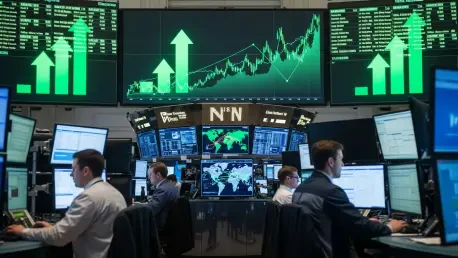
The overarching trend on March 25 was a decisive recovery in equity markets worldwide. The pan-European Stoxx 600 index climbed 1.3%, with all major regional bourses closing in positive territory. This momentum crossed the Atlantic, where the Dow Jones Industrial Average rose by over 320 points, mirrored by similar gains in Asia-Pacific markets. A major catalyst for this movement was a statement from Iran’s UN Mission, which hinted that “non-hostile” vessels might be granted safe passage through the Strait of Hormuz. This potential reopening of shipping lanes provided the tangible assurance investors needed to believe that global trade could return to a state of normalcy.
European Housebuilders and Domestic Economic Indicators
Within the European theater, the British housebuilding sector emerged as an unexpected leader in the recovery. After enduring a period of heavy losses triggered by mortgage market volatility, companies like Crest Nicholson and Bellway saw substantial rebounds. Crest Nicholson’s shares surged 10.2% following the release of robust sales data, which acted as a tide lifting the broader sector. This domestic recovery was further supported by UK inflation data from February; headline inflation held steady at 3%, meeting economist expectations and suggesting that, despite geopolitical turmoil, the underlying economic foundation remained resilient.
Contradictory Narratives and Commodity Market Reactions
The geopolitical landscape remains complex due to a significant discrepancy in official communications. President Donald Trump indicated that active negotiations are underway, suggesting that the U.S. has refrained from targeting Iranian energy infrastructure because Tehran is “talking sense.” In contrast, Iranian officials have publicly dismissed these claims, with some suggesting the U.S. is “negotiating with itself.” Despite these conflicting reports, the leak of a purported 15-point U.S. peace plan has already begun to reshape the commodities market. While gold prices rose as a hedge against remaining uncertainty, oil prices decreased, reflecting the market’s hope for a sustained supply flow.
Navigating the Future of Global Trade and Diplomacy
Looking ahead, the future of the markets will likely be shaped by the formalization of these “back-channel” talks. If the leaked 15-point peace plan gains traction, we can expect a shift in regulatory and economic policies regarding Middle Eastern trade. Innovations in maritime tracking and security will likely be prioritized to ensure the long-term safety of the Strait of Hormuz. Furthermore, if de-escalation holds, central banks may find more room to navigate interest rate adjustments without the immediate threat of energy-induced inflation spikes. Predictions suggest a cautious but steady transition toward a lower-volatility environment if diplomatic milestones are met in the coming weeks.
Actionable Insights for Investors and Industry Leaders
The current market behavior offers several key takeaways for those navigating these volatile times. First, the resilience of sectors like UK housebuilding demonstrates that strong internal fundamentals can often lead to rapid recoveries once external geopolitical pressures ease. Second, investors should remain wary of the “headline gap”—the difference between public denials and private diplomatic progress—and look to commodity prices as a more reliable barometer of truth. For businesses, the primary recommendation was to maintain flexible supply chain strategies that could adapt to the reopening of trade routes while keeping contingency plans in place should diplomatic efforts falter.
Sustaining Momentum in an Uncertain Climate
The rally seen on March 25, 2026, served as a powerful reminder of how sensitive global markets were to the prospect of peace. While official statements from Washington and Tehran remained inconsistent, the financial sector prioritized the possibility of a ceasefire and the restoration of shipping security over rhetoric. This shift marked a clear pivot toward stabilization, though it remained a delicate balance. As the situation evolved, the ability of global markets to sustain this momentum depended on turning these diplomatic hopes into verifiable, long-term agreements that secured the future of international trade.