
The sudden and unprecedented intensification of hostilities in the Middle East following a coordinated strike by the United States and Israel has sent shockwaves through the global financial system, erasing months of steady gains in a single weekend of trading. This military operation, which successfully targeted high-ranking leadership including Ayatollah Ali Khamenei, marked a definitive shift from years of shadow warfare into a direct and overt confrontation. Iran’s immediate response was swift and destructive, involving a barrage of missile strikes directed at American military installations throughout the region. Defense officials, including Secretary Pete Hegseth and General Dan Caine, have prepared the public for a long-term engagement, noting that the initial casualties are likely just the beginning of a broader conflict. As air raid sirens sounded in major regional hubs and military assets were repositioned, the geopolitical landscape fundamentally shifted, leaving international diplomatic efforts in a state of total collapse.
Sectoral Divergence and Market Instability
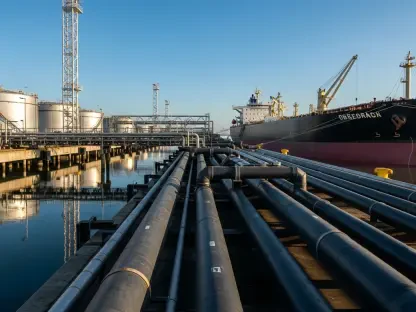
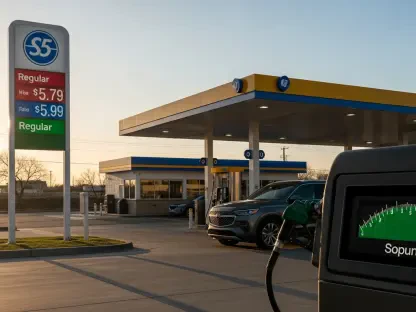
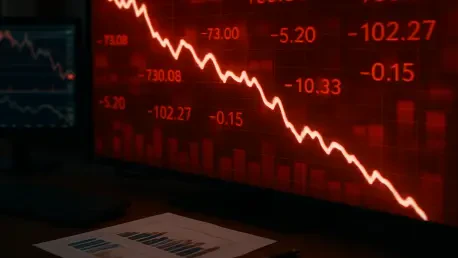
The financial repercussions of this military escalation were felt immediately across European bourses, where the Stoxx 600 index recorded a sharp decline of nearly 1.7% in the opening hours. Travel and tourism stocks experienced the most severe losses as multiple nations announced the closure of airspace, forcing major carriers like Lufthansa and TUI AG to suspend operations indefinitely. Carnival PLC also faced a significant sell-off as maritime security concerns grew in the Mediterranean and Persian Gulf. In sharp contrast, the energy sector witnessed a dramatic surge, with Brent crude oil prices reaching a new 52-week high after jumping nearly 6%. This rally was driven by fears that Iran might obstruct the Strait of Hormuz, a vital artery for global oil supplies. Companies like Equinor and Vår Energi saw their valuations climb, while defense contractors such as BAE Systems and Renk benefited from the prospect of increased military procurement and sustained governmental spending.
As the smoke cleared from the initial strikes, strategic analysts shifted their focus toward long-term risk mitigation and the necessity of supply chain diversification to insulate economies from further shocks. Global investment firms recommended a “risk-off” posture, advising clients to pivot toward gold and high-grade government bonds while the prospects of Iranian regime change remained uncertain. Multinational corporations were urged to re-evaluate their reliance on regional logistical hubs and to implement comprehensive contingency plans for potential energy shortages. The failure of previous nuclear negotiations necessitated a move toward more resilient, decentralized infrastructure that could withstand prolonged geopolitical instability. Policymakers emphasized that securing alternative transit routes for critical commodities became the most urgent priority for maintaining international commerce. These proactive steps allowed market participants to begin accounting for a new era of systemic volatility.