
The Resurgence of a Dual Economic Threat
Modern financial analysts are increasingly preoccupied with the unsettling possibility that the United States is drifting toward a structural economic quagmire reminiscent of the most difficult periods of the late twentieth century. The specter of the 1970s is once again casting a long shadow over the American landscape as policymakers and citizens alike confront the possible return of stagflation. This rare and punishing economic condition occurs when stagnant growth and rising unemployment collide with persistent inflation, creating a dilemma where traditional solutions for one problem often worsen the other. Understanding this phenomenon is vital today, as the delicate balance of the post-pandemic recovery faces its most significant challenge yet.
The scope of this timeline explores the transition from a period of cooling inflation to a sudden “stress test” triggered by global instability and domestic cooling. By examining the sequence of events leading into early 2026, we can see how a combination of energy shocks and labor market exhaustion has forced a reassessment of the nation’s financial health. This background is essential for understanding why the Federal Reserve’s “soft landing” narrative is now being questioned by market veterans and institutional analysts. As the buffers of the early 2020s begin to erode, the margin for error has narrowed significantly, leaving the economy vulnerable to a specific type of paralysis that makes standard monetary policy less effective.
Tracking the Path Toward Economic Instability
2024 to 2025: The Period of Tepid Momentum
Following the aggressive interest rate hikes of previous years, the U.S. economy entered a phase of cooling growth. While the initial post-pandemic surge had provided a buffer, the momentum began to fade throughout 2025. Job creation slowed to a crawl, and the manufacturing sector showed signs of fatigue, struggling under the weight of sustained borrowing costs. During this time, the Federal Reserve maintained a restrictive stance, hoping to guide inflation down to its 2% target, even as the “sticky” nature of service-sector prices suggested that the final stretch of the inflation fight would be the most difficult. This era was marked by a quiet tension between the resilient consumer and the mounting evidence that high rates were finally sapping the strength of corporate expansion and capital investment.
Early 2026: The Middle East Energy Shock
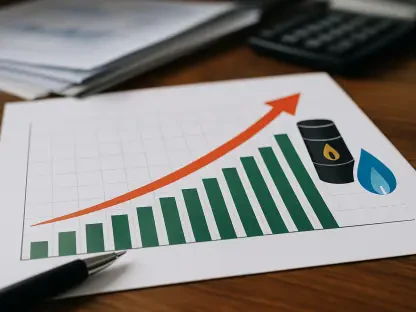
The situation shifted dramatically in early 2026 when geopolitical tensions in the Middle East escalated, specifically involving Iran. This volatility sent shockwaves through the global energy markets, causing West Texas Intermediate (WTI) crude oil to breach the $100-per-barrel threshold. Unlike previous fluctuations, this spike was viewed as a structural threat to the U.S. economy rather than a temporary blip. High oil prices acted as a regressive tax on consumers, eating into disposable income, and increased production costs across various sectors. The most notable impact was observed in agriculture through rising fertilizer prices, which signaled that food inflation would soon follow fuel costs upward, creating a secondary wave of price pressures.
February 2026: The Labor Market Contraction
As energy prices climbed, the domestic labor market reached a visible breaking point. Data released by the Bureau of Labor Statistics for February 2026 revealed that the U.S. economy shed 92,000 jobs. This unexpected contraction pushed the national unemployment rate up to 4.4%. The sudden loss of jobs, occurring simultaneously with rising costs at the pump and the grocery store, provided the statistical foundation for renewed stagflation fears. The economy was no longer just slowing; it was showing signs of shrinking in key areas while prices remained stubbornly high. This synchronization of falling employment and rising costs created a sense of urgency, as the traditional “cooling” of the economy failed to bring about the expected relief in consumer prices.
March 2026: The Repricing of Monetary Policy
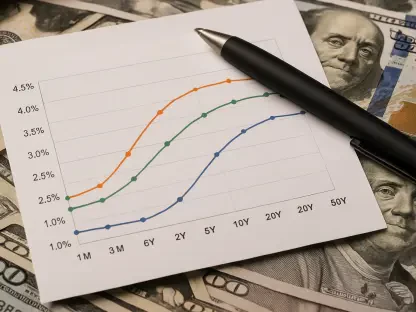
By March 2026, the financial markets had undergone a significant psychological shift. Expectations for interest rate cuts, which many investors had anticipated for the summer, were pushed back to September or later. Bond yields rose as the “inflation scare” began to outweigh the “growth scare” in the minds of traders. The Federal Reserve found itself in a “wait and see” mode, hesitant to cut rates to support the weakening job market for fear of fueling the energy-driven inflationary fire, marking a definitive moment of policy paralysis. This shift underscored the reality that the central bank’s tools are poorly suited for supply-side shocks, leaving investors to navigate a landscape where growth is absent but high interest rates remain.
Analyzing Turning Points and Overarching Patterns
The most significant turning point in this timeline is the convergence of the $100 oil price with the February job losses. This intersection transformed a standard economic slowdown into a potential stagflationary cycle. The overarching theme is the vulnerability of a consumer-driven economy to exogenous shocks; when energy costs rise at the same time that income security falls, consumer confidence erodes rapidly. This dynamic creates a feedback loop where reduced spending further stifles growth, while input costs prevent businesses from lowering prices to attract customers.
Another notable pattern is the “stickiness” of core inflation despite high interest rates. This suggests that structural factors, such as government deficits and supply chain dependencies, may be more influential than previously thought. A significant gap in current understanding remains the long-term impact of energy prices on food stability. While the immediate focus is on fuel, the “pass-through” effect into fertilizer and logistics could sustain high inflation even if oil prices eventually stabilize, representing a critical area for future economic exploration. This systemic interconnectedness means that a shock in one sector quickly becomes a crisis in another.
Nuanced Perspectives and the Path Forward
The debate over the severity of this crisis remains divided among experts. Some, like Ed Yardeni, have raised the probability of a full-scale stagflationary event to 35%, citing the Iranian crisis as a major stress test. Others offer a more resilient view, suggesting that the U.S. economy is fundamentally stronger and more energy-efficient than it was during the 1970s or even the 2022 oil spike. These optimists argue that corporate earnings and a robust services sector may provide a floor for the economy, preventing a total collapse of growth even as inflation remains elevated.
A common misconception is that the Federal Reserve can easily pivot to address unemployment. In a stagflationary environment, the Fed’s dual mandate—price stability and maximum employment—is in direct conflict. Cutting rates to save jobs could unanchor inflation expectations, while raising rates to fight oil-driven prices could deepen the recession. The path forward required a strategic focus on energy independence and supply chain diversification to mitigate the impact of future geopolitical disruptions. Analysts recommended a cautious approach to equity markets, emphasizing sectors that provide essential services and products less sensitive to energy price fluctuations. These future considerations highlighted the necessity of a multifaceted policy response that went beyond simple interest rate adjustments to address the structural vulnerabilities of the modern American economy.