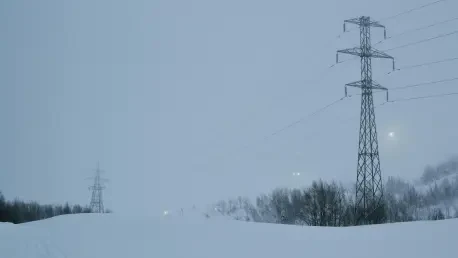

A colossal winter storm, dubbed Winter Storm Fern, has tightened its icy grip on the nation, directly impacting the lives of an estimated 180 million people and raising urgent questions about the resilience of the country’s essential infrastructure. As the weather system carves a path from the Rocky Mountains to New England, it leaves behind a trail of disruption, including catastrophic ice accumulations, heavy snow, and dangerously low temperatures. The immediate consequences have been severe, with over 822,000 customers nationwide losing power and the aviation industry grinding to a near-halt after more than 16,400 flight cancellations in just two days. This widespread paralysis underscores a critical vulnerability, forcing a national conversation about whether the U.S. energy infrastructure is adequately prepared to handle the increasing frequency and intensity of extreme weather events that are becoming the new normal. The storm’s impact goes beyond inconvenience, tragically claiming at least seven lives and exposing the fragility of systems that millions depend on daily.
The Economic Shockwave of a Deep Freeze
The storm’s physical impact was immediately mirrored by a dramatic and volatile reaction in the energy markets, demonstrating the tight linkage between weather events and economic stability. As freezing temperatures drove heating demand to a seasonal peak, U.S. natural gas futures experienced a massive surge, climbing over 17% to reach $6.21 per million British thermal units. This price point represents a significant milestone, marking the first time costs have broken the $6 threshold since late 2022 and setting a new 52-week high. The year-to-date increase has now reached a staggering 68%, sending a clear signal of the financial strain that extreme cold can place on the energy supply chain. This sudden price spike is not merely a number on a trading screen; it translates directly into higher utility bills for consumers and increased operational costs for businesses, creating a ripple effect that can be felt throughout the economy long after the snow has melted and the immediate crisis has passed.
A System Pushed to Its Breaking Point
The immense scale of the storm necessitated an urgent and high-level response to prevent a complete collapse of regional power systems. As wind chills plummeted to life-threatening lows of -50 degrees Fahrenheit, the U.S. Department of Energy issued emergency orders for both New England and Texas. These directives were critical interventions designed to stabilize the power grids by managing energy flows and mitigating the immediate risk of widespread, uncontrolled blackouts during a period of critical demand. The necessity of such federal action highlighted the profound stress placed on the nation’s energy infrastructure. The crisis served as a stark reminder of the grid’s vulnerability, prompting a re-evaluation of its capacity and resilience. The governmental intervention, while essential for public safety, underscored the reactive nature of the current approach and initiated crucial discussions about the proactive investments and strategic upgrades needed to fortify the grid against future weather-related threats.