
A Chilling Precedent: Economic Leaders Rally Against Political Interference
A criminal investigation into Federal Reserve Chair Jerome Powell has triggered a firestorm of condemnation from America’s most respected economic officials, who warn the move represents an unprecedented and politically motivated assault on the U.S. central bank’s independence. Describing the probe as “extremely chilling,” former Treasury Secretary and Fed Chair Janet Yellen is leading a unified chorus of concern that this action could inflict lasting damage on the nation’s economic stability and institutional integrity. This article will delve into the details of the investigation, explore the foundational principle of central bank autonomy it jeopardizes, and analyze the dire warnings from a bipartisan group of economic stewards about the long-term consequences of politicizing monetary policy.
The Bedrock of Stability: Why Central Bank Independence Matters
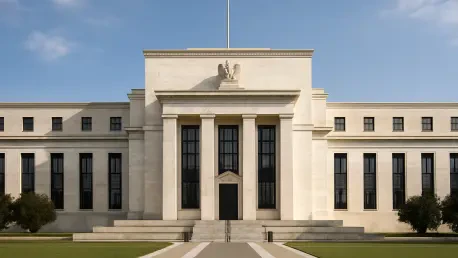
For over a century, the Federal Reserve has operated as an independent entity within the government, a design intended to insulate it from the short-term pressures of electoral politics. This autonomy is considered the bedrock of a stable economy, allowing the central bank to make unpopular but necessary decisions—such as raising interest rates to combat inflation—without fear of political reprisal. By separating monetary policy from the fiscal agendas of Congress and the White House, the Fed can focus on its dual mandate of maximum employment and price stability. This structure has historically fostered market confidence and anchored the U.S. dollar as the world’s reserve currency. The current probe against Chair Powell is seen by many as a direct challenge to this time-tested framework.
The Anatomy of an Unprecedented Attack
The Perjury Probe: A Pretext for Political Ouster?
At the heart of the controversy is an investigation into whether Chair Powell committed perjury during congressional testimony regarding a renovation project. However, top officials have dismissed the legal grounds as flimsy, arguing the probe is a thinly veiled maneuver to pressure or oust Powell. Secretary Yellen staunchly defended her successor, stating unequivocally that the odds he lied are “zero.” This use of the prosecutorial system to target the head of the central bank is viewed as a dangerous escalation, transforming policy disagreements into potential criminal matters.
A Unified Front: Bernanke, Greenspan, and the Bipartisan Condemnation
The sharp rebuke of the investigation extends far beyond a single official. In a rare show of solidarity, former Fed Chairs Ben Bernanke and Alan Greenspan, along with former Treasury Secretaries Timothy Geithner and Henry Paulson, issued a joint statement. They denounced the inquiry as an “unprecedented attempt to use prosecutorial attacks” to undermine the Fed’s autonomy and leadership. This bipartisan consensus underscores the gravity of the situation, signaling a fundamental attack on the institutions that safeguard the U.S. economy.
The ‘Banana Republic’ Warning: Eroding the Rule of Law
Perhaps the most alarming critique is the comparison of such actions to those in “banana republics” or emerging markets with weak, politicized institutions. Officials warn that when a government pressures its central bank to keep interest rates artificially low, it embarks on a perilous path toward high inflation and economic volatility. More broadly, they warn that weaponizing the justice system against an independent official undermines the rule of law, a cornerstone of American economic strength.
The High Stakes: Future Implications for Monetary Policy and Market Trust
Should the independence of the Federal Reserve be compromised, the future implications for the U.S. economy could be severe. A politically subservient Fed might hesitate to raise interest rates to control inflation for fear of slowing the economy before an election, leading to runaway prices that destabilize markets. International confidence in the U.S. dollar could also wane if global investors believe monetary policy is being dictated by political whims rather than sound economic principles, unraveling decades of stability.
Navigating the Fallout: Recommendations for Preserving Institutional Integrity
The unified outcry from past and present economic leaders serves as a critical summary of the stakes and a clear recommendation for the path forward. Their central message is that the Federal Reserve’s independence must be defended vigorously by leaders across the political spectrum. Safeguarding institutional integrity is not a partisan issue but a prerequisite for long-term prosperity. Reinforcing the wall between politics and monetary policy is the only way to prevent the U.S. from heading down a path of instability.
A Crossroads for American Economic Governance
Ultimately, the investigation into Jerome Powell represents more than a challenge to a single leader; it is a profound test of a core pillar of American economic power. The swift and unified condemnation from the nation’s most seasoned economic guardians highlights the immense danger they perceive in politicizing the Federal Reserve. Their warnings paint a stark picture of a future where monetary policy becomes another tool of partisan warfare. This moment stands as a critical crossroads, forcing a decision on whether the United States will uphold the institutions that have long secured its economic dominance.