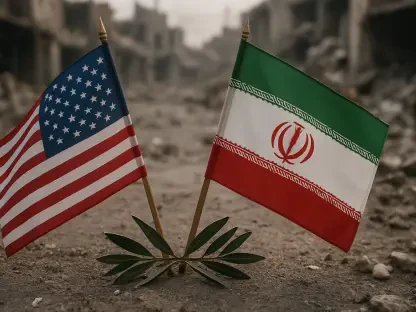

The global energy market has been thrust back into a state of high alert as oil prices experienced a sharp reversal, climbing significantly after a period of cooling. This sudden spike was triggered by an escalating war of words between Tehran and Washington, shattering hopes for a stable de-escalation in the Middle East. With Brent crude jumping over 2.5% to surpass $97 and U.S. West Texas Intermediate following a similar path, the volatility highlights just how sensitive commodity markets remain to geopolitical friction. This analysis explores the breakdown of the recent ceasefire terms and the resulting pressure on global supply chains.
The Long Shadow of US-Iran Diplomatic Friction
To understand the current surge, one must look at the deep-seated historical distrust that defines the relationship between the United States and Iran. For decades, the two nations have engaged in a complex dance of sanctions and failed negotiations, which have consistently made oil a primary lever of political influence. Past developments created a landscape where even a minor diplomatic hiccup can send shockwaves through the energy sector. These background factors matter today because they explain why a fragile 10-point truce can unravel so quickly when accusations of bad faith arise.
Analyzing the Breakdown of Geopolitical Stability
The Collapse of the 10-Point Truce Proposal
The core of the recent price spike lies in the public collapse of a proposed ceasefire agreement. Iranian officials recently accused Washington of outright violating the terms of a fragile two-week truce. According to Tehran, the U.S. failed to prevent military actions in Lebanon and allowed unauthorized drone incursions into Iranian airspace. Furthermore, the dispute over uranium enrichment rights remains a primary point of contention. This fundamental disagreement on the rules of engagement has effectively neutralized the potential for immediate peace.
Market Sentiment and the Refiner’s Dilemma
Beyond the headlines, market analysts are closely watching the behavior of refiners and industrial buyers. While crude prices have flirted with the $100 mark without consistently breaking it, the physical supply of oil remains remarkably tight. Many refiners are holding back on purchases in hopes that prices will drop if tensions ease. However, if these buyers delay too long while geopolitical rhetoric remains inflammatory, the market could face a severe product shortage. This creates a bottleneck risk where the immediate lack of available inventory could keep prices elevated for months.
Regional Complexities and Tactical Misunderstandings
The situation is further complicated by the broadening of the conflict to include regional players like Lebanon. A major point of confusion in the current clash is the geographical scope of the ceasefire; the U.S. has disputed the inclusion of Lebanon in the specific 10-point plan, while Iran insists that a regional halt to hostilities was a prerequisite. These misunderstandings represent a messy negotiation process where different parties have vastly different interpretations of the same document. This lack of clarity suggests that neither side truly knows where the other’s red lines are drawn.
Emerging Trends and the Path Toward $100 Oil
Looking forward, the energy landscape is likely to be shaped by headline-driven volatility. One emerging trend is the increasing influence of domestic politics on Middle Eastern diplomacy, with potential shifts in energy policy depending on administrative changes. If the current friction persists, we may see a shift toward more aggressive opportunistic buying from global powers, which could finally push Brent crude past the psychological $100 threshold. Additionally, technological advancements in monitoring mean that airspace violations will likely become a more frequent trigger for diplomatic fallout.
Strategic Recommendations for a Volatile Market
The major takeaway from this conflict is that geopolitical risk is currently outweighing traditional supply-and-demand fundamentals. For businesses and professional investors, the most effective strategy is to engage in opportunistic buying during brief dips rather than waiting for a return to pre-conflict price levels. Hedging against further spikes is essential, as the risk of a physical supply squeeze is real and growing. Consumers and professionals should also prepare for a higher-for-longer price environment, where energy costs remain a significant inflationary pressure.
The Intersection of Energy Security and Diplomacy
The recent surge in oil prices served as a stark reminder that global commodity stability is inextricably linked to international diplomacy. Stakeholders moved to diversify energy sources as the threat of supply disruptions became a permanent fixture of the landscape. Industry leaders prioritized long-term storage solutions to mitigate the impact of inflammatory rhetoric on the physical market. Ultimately, the focus shifted toward establishing clearer communication channels to prevent semantic misunderstandings from dictating global economic health.