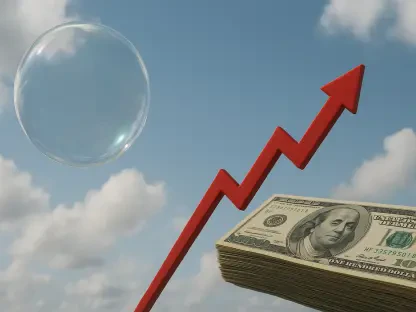

The global financial architecture is currently undergoing a profound transformation as sophisticated institutional investors seek stability beyond the traditional confines of Western reserve currencies and sovereign debt instruments. While volatility continues to characterize many developed

The sudden surge in nonfarm payroll employment during the month of May has significantly complicated the Federal Reserve's anticipated timeline for easing monetary policy across the United States. While many economists had predicted a cooling trend that would allow for a definitive pivot toward

As the political landscape intensifies during this critical campaign season, agricultural communities across Wisconsin find themselves navigating a complex web of economic uncertainty and loyalty ahead of the high-profile visit from Donald Trump. The visit to the Wisconsin heartland has ignited a

The upcoming release of the May Nonfarm Payrolls report serves as a critical litmus test for the resilience of the American economy while the Federal Reserve calibrates its restrictive monetary policy. This high-stakes data point, set to be published by the Bureau of Labor Statistics, acts as the

The current geopolitical equilibrium of the Persian Gulf remains the primary barometer for the health of the international economy, especially as renewed tensions threaten the maritime arteries through which a significant portion of the world’s crude oil and liquefied natural gas flows. As of early

The structural foundation of South Korea's economy is currently grappling with a profound fiscal paradox where local governments carry the weight of public service delivery while lacking the independent revenue needed to sustain them. Despite the high degree of political autonomy promised by the