
As global economic pressures mount and traditional revenue models face unprecedented challenges, the Gulf Cooperation Council (GCC) is undertaking a decisive and strategic transformation of its economic landscape. The year 2026 marks a pivotal moment where long-term visions are crystallizing into concrete actions, moving the region from planning to implementation. This profound shift is not merely a response to fluctuating oil prices but a comprehensive redesign aimed at building resilient, diversified, and highly competitive economies for the decades ahead. The core of this evolution lies in a multi-pronged strategy that rebalances public finances, addresses long-standing productivity issues through technology, forges new global trade alliances, and adopts sophisticated financing mechanisms. These pillars collectively represent a concerted effort to secure a sustainable and prosperous future, fundamentally altering the GCC’s role in the international economic order by prioritizing long-term structural integrity over short-term gains.
A New Fiscal and Economic Blueprint
The foundation of the GCC’s economic agenda is a sweeping fiscal rebalancing designed to decouple state budgets from oil and gas dependency. Governments across the region are implementing a disciplined approach to public finance, which involves a strategic reprioritization of spending toward capital projects with the highest potential for broad economic impact. Key sectors receiving this focused investment include digital infrastructure, advanced logistics networks, and industrial development, all of which are essential for fostering a vibrant non-oil economy. Simultaneously, a concerted effort is underway to monetize state assets and manage public liabilities more effectively. This financial overhaul is complemented by an aggressive expansion of non-oil income streams. A prime example of this trend is seen in Kuwait and the UAE, where the introduction of additional local minimum taxes aligns their fiscal frameworks with global standards, significantly strengthening public finances and creating a more stable and predictable economic environment for businesses and investors.
Overcoming the Productivity Paradox with Technology
A critical challenge being addressed is the reversal of a decade-long decline in productivity growth, a trend that has seen the region’s Total Factor Productivity (TFP) lag behind that of developed economies. This stagnation, attributed largely to slow technology adoption, limited process innovation, and significant skills gaps, is starkly illustrated by Kuwait’s average annual TFP change of -3.6% between 2015 and 2025. In response, the GCC is turning to artificial intelligence (AI) as a transformative engine for growth. The focus has decisively shifted from simply building foundational AI infrastructure to the practical, widespread deployment of intelligent technologies across vital sectors. This technological leap is intrinsically tied to a parallel transformation of the workforce. Recognizing that technology alone is insufficient, governments and private enterprises are actively managing this transition through extensive reskilling and upskilling programs designed to equip human capital with the necessary competencies to thrive in an increasingly AI-powered economy.
Forging Resilient Global Partnerships
In an era of heightened geopolitical instability, the GCC is actively working to build broader and more diversified trade bridges to safeguard its economic interests and secure its supply chains. This strategy involves moving beyond traditional alliances and making tangible progress in concluding comprehensive free trade agreements with strategic global partners, including the United Kingdom, China, and the European Union. These agreements are designed to open new markets for the region’s burgeoning non-oil industries and attract foreign investment into its diversifying economies. A crucial component of this global outreach is the proactive effort to secure resilient and reliable supply chains for critical minerals. Access to these materials is non-negotiable for supporting the region’s ambitious diversification plans, particularly in advanced manufacturing and other emerging high-tech industries, ensuring that progress is not hindered by external supply shocks or geopolitical friction.
Strategic Financing for a Transformed Future
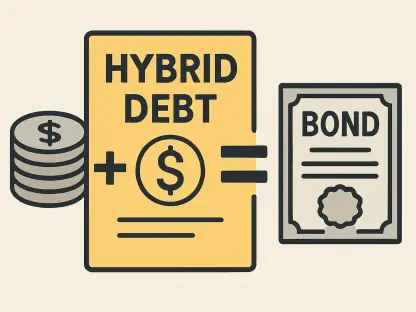
Underpinning the region’s ambitious development goals is a sophisticated and forward-looking approach to financing and debt management. While GCC government debt-to-GDP ratios remain well below those of most advanced economies, strategic borrowing is expected to increase to finance fiscal deficits and support critical investments in infrastructure and technology. To meet these needs, nations are tapping into a diverse range of financial instruments, including sukuk (Islamic bonds) and innovative sustainability-linked bonds, which appeal to a growing global pool of ESG-conscious capital. This financial strategy is bolstered by recent credit rating upgrades for Saudi Arabia, Oman, and Kuwait, which have improved their access to international capital markets on favorable terms. Furthermore, public-private partnerships (PPPs) continue to play a central role, allowing governments to implement large-scale, complex projects by leveraging private sector capital and expertise, thereby easing the direct fiscal pressure on state budgets.
A Strategic Repositioning on the Global Stage
The comprehensive agenda enacted across the GCC represented a clear and decisive move to deepen the region’s global economic integration and establish new, resilient industrial foundations. This strategic repositioning was characterized by a focus on long-term competitiveness rather than reactive, short-term adjustments to global market fluctuations. The ultimate success of this economic transformation was built upon the coordinated ability of both governments and the private sector to effectively implement these ambitious priorities. This required the skillful mobilization of substantial capital, a sustained acceleration of national capacity building, and an unwavering commitment to maintaining the momentum of structural reforms, which together reshaped the economic identity of the entire region.