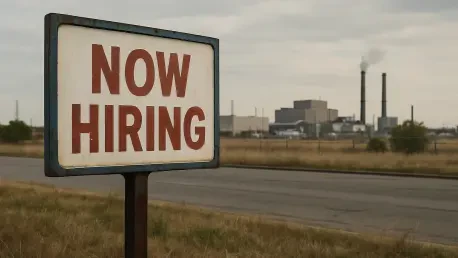

The fierce competition for talent that defined the post-pandemic economy appears to be officially over, replaced by a wave of high-profile layoffs and a historic drop in hiring plans that signal a significant chill in employer sentiment. As we move through the new year, the once red-hot U.S. labor market is showing definitive signs of cooling. This analysis will dissect the key data points driving this trend, explore the sector-specific impacts, and analyze the broader implications for the American economy and workforce.
The Statistical Evidence of a Market Shift
An Unprecedented Surge in Job Cuts
The most startling evidence of this shift comes from the scale of recent workforce reductions. U.S. employers announced a staggering 108,435 layoffs in January, a figure that represents a 118% increase compared to the same month a year ago. According to data from Challenger, Gray & Christmas, this marks the highest January total for job cuts since the depths of the 2009 financial crisis, painting a stark picture of growing corporate caution.
This surge in layoffs offers a concerning glimpse into the economic outlook for 2026. Because most of these difficult decisions were finalized in the closing months of 2025, the data suggests a pessimistic forecast among business leaders. The numbers reflect a strategic move to downsize in anticipation of leaner times, rather than a reaction to immediate market shocks.
Sector-Specific Impacts and Real-World Examples
The workforce reductions have not been evenly distributed across the economy. The transportation sector experienced the most significant cuts, a trend overwhelmingly driven by UPS’s announcement to eliminate over 30,000 positions. This single decision highlights the immense pressure on industries sensitive to consumer spending and supply chain efficiencies.
Meanwhile, the technology sector continued its trend of right-sizing after a period of rapid expansion. Major industry players have been trimming their ranks, with Amazon’s cut of 16,000 jobs serving as a prominent example. This ongoing consolidation in tech signals a broader industry pivot from aggressive growth to a focus on profitability and operational efficiency.
Declining Demand for New Hires
A Historic Low in Hiring Plans
Beyond the layoffs, a dramatic pullback in new hiring further underscores the market’s deceleration. In a telling sign of diminished optimism, companies announced plans to hire for only 5,306 new roles in January. This figure represents the lowest level for the month since tracking began, indicating that businesses are not only cutting existing staff but are also hesitant to invest in future growth.
This sentiment is echoed in broader employment metrics. A recent ADP report revealed that private employers added a mere 22,000 jobs in January, a number that fell significantly short of economists’ expectations. This lackluster job creation reinforces the narrative of a slowdown, showing that the demand for new labor has weakened considerably across the private sector.
The Shrinking Gap Between Jobs and Job Seekers
The balance of power in the labor market has decisively shifted. The Bureau of Labor Statistics reported a sharp decline in job openings, which fell to 6.54 million. This reduction has fundamentally altered the landscape for those seeking employment, creating a less competitive environment for employers.
Consequently, the ratio of available jobs to unemployed workers has plummeted to 0.87-to-1. This is a dramatic reversal from the peak of over two available jobs for every one job seeker seen in mid-2022. With fewer openings available, the fierce bidding wars for talent have subsided, marking a clear end to the era of the “Great Resignation.”
Expert Insights on the Cooling Trend
Labor economists largely attribute this cooling trend to the intended effects of Federal Reserve policies aimed at curbing inflation. A sustained period of higher interest rates has successfully made borrowing more expensive, leading to a natural corporate belt-tightening. Lingering concerns about inflation and the potential for slower economic growth have prompted companies to proactively reduce overhead, with payroll often being the first target.
From the perspective of industry leaders, the current wave of workforce reductions reflects a strategic realignment. The era of “growth at any cost” has given way to a more cautious, efficiency-focused approach. CEOs and HR executives are now prioritizing sustainable profitability and operational resilience, which often involves re-evaluating staffing levels to match a more moderate economic forecast.
Future Outlook: Implications of a Looser Labor Market
Should this trend of job cuts and hiring freezes continue, it could have significant consequences for the broader economy. A sustained rise in unemployment could dampen consumer spending, a primary driver of U.S. economic activity. This raises the risk of a more pronounced economic slowdown or even a recession if confidence among both consumers and businesses continues to erode.
For workers, a less competitive job market directly translates to reduced bargaining power. The rapid wage growth seen over the past few years is likely to slow, and employees may find it more difficult to negotiate for better pay, benefits, or flexible working arrangements. Moreover, an increase in job insecurity could make individuals more hesitant to switch roles, further dampening labor market dynamism.
However, there is a potential silver lining to this cooling trend, particularly concerning inflation. A looser labor market helps alleviate the upward pressure on wages, a key component of inflation. This development could assist the Federal Reserve in achieving its goal of price stability, potentially leading to a stabilization or even a future reduction in interest rates, which would benefit the economy in the long run.
Conclusion: Navigating the New Labor Landscape
The evidence confirmed a decisive shift away from the tight, employee-driven labor market that characterized the post-pandemic recovery. Record-setting January layoffs, historically low hiring plans, and a shrinking job-to-worker ratio all pointed to an environment of increasing employer caution and strategic workforce reduction.
This transition signals more than just a temporary fluctuation; it represents a fundamental change in the economic landscape. As the balance of power tilted back toward employers, it became imperative for workers, businesses, and policymakers alike to adapt. Navigating this new environment required a greater focus on skill development, operational efficiency, and forward-looking policies designed to support a workforce facing increased uncertainty.