
Global energy markets are currently reeling as the risk of a full-scale military confrontation in the Middle East has sent West Texas Intermediate crude oil prices soaring past the critical one hundred and twelve dollar threshold. This dramatic price action follows a stern warning from President Donald Trump, who has established a firm deadline for the reopening of the Strait of Hormuz. The current situation represents one of the most significant threats to the global energy supply chain in recent memory, as a blockade in this vital maritime artery could effectively sever the flow of millions of barrels of oil daily. Investors and geopolitical analysts are closely watching the clock as the 8 p.m. Tuesday deadline approaches, fearing that a failure to reach a diplomatic resolution will result in a precision strike campaign against Iranian civilian infrastructure. The potential destruction of power plants and bridges marks a significant escalation in American rhetoric and strategy. This uncertainty has created a volatile environment where energy futures are fluctuating wildly on every news update.
The Global Impact of Supply Disruptions
Escalating Volatility in Crude and Refined Products
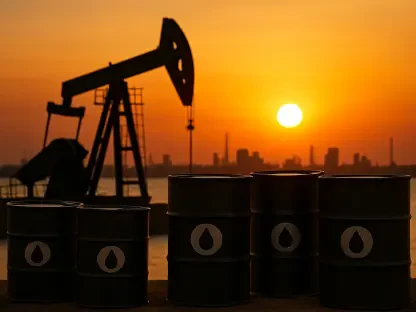
Since the initial onset of hostilities on February 28, the energy sector has witnessed a massive supply shock that extends far beyond the price of raw crude. While WTI has surged by more than two percent in a single trading session, the impact is being felt acutely in the markets for refined products such as diesel, jet fuel, and gasoline. These commodities are essential for global logistics and aviation, and their rising costs are already beginning to trickle down to consumer prices across the globe. Brent crude is also maintaining a steady upward trajectory, hovering near the one hundred and ten dollar mark as international buyers scramble to secure alternative sources of energy. The sheer speed of these price increases suggests that the market is pricing in the worst-case scenario, where the flow of energy from the Persian Gulf remains restricted for an extended period. This volatility complicates the efforts of central banks to maintain economic stability while managing the sudden inflationary pressure caused by the energy spike.
Market analysts from prominent financial institutions like MUFG and Yardeni Research have characterized the current environment as a “fog of war,” where predicting short-term outcomes is nearly impossible. They note that the lack of clear communication between the warring parties has forced traders to rely on speculative indicators and social media reports, further fueling the price surge. The broader economic implications of sustained oil prices above one hundred dollars are profound, potentially leading to inflationary pressures that could stall growth in emerging markets. Many energy-intensive industries, particularly heavy manufacturing and long-haul shipping, are already adjusting their operational forecasts to account for these heightened costs. Furthermore, the psychological impact of a potential military strike on infrastructure has led to a hoarding mentality among some regional players, which only serves to tighten the available supply. The interplay between military threats and market reactions has reached a critical fever pitch as the deadline nears.
Logistics and the Vital Strait of Hormuz
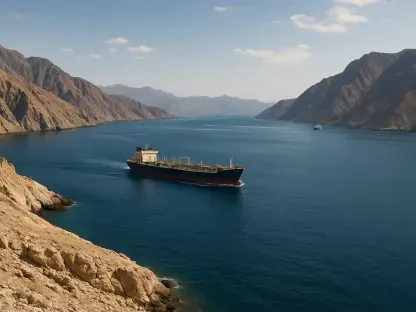
The central focus of the current crisis remains the Strait of Hormuz, a narrow passage that serves as the most important oil transit point in the world. Historically, this maritime corridor has facilitated the movement of approximately twenty million barrels of oil every single day, representing a significant portion of the total global consumption. However, the recent conflict has reduced this traffic to a mere trickle of its former capacity, leaving the global market in a state of desperation. While there has been a slight recent uptick in tanker traffic—with eight vessels successfully transiting the strait in the last few days—this is still a fraction of the usual volume. The average of fewer than two vessels per day during the early part of March underscores the severity of the blockade. For countries in Asia that rely heavily on Middle Eastern crude, the closure of this passage is not just an economic concern but a direct threat to their national security and energy stability.
Logistics experts emphasize that reopening the strait is only the first step in a very long and complicated process of normalizing the energy trade. Even if a diplomatic breakthrough were to occur tomorrow, it would likely take between three to six months for the supply chain to fully stabilize and for tankers to resume their regular schedules. The backlog of orders and the disruption of shipping routes have created a ripple effect that will be felt for the remainder of the year. Insurers have also raised premiums for any vessels operating in the region, which adds another layer of cost to every barrel of oil delivered. This structural damage to the global shipping industry means that energy prices may remain elevated even after the immediate military threat has subsided. Consequently, the focus has shifted toward finding permanent solutions to secure maritime trade routes against future geopolitical interference. The fragility of the current system has been laid bare by this confrontation.
Strategic Responses and Future Considerations
Analyzing the Ten-Point Peace Proposal
Amidst the aggressive rhetoric coming from Washington, diplomatic efforts are quietly continuing behind the scenes as various international mediators attempt to bridge the gap. Iran has recently countered the United States’ ceasefire proposal with a comprehensive ten-point plan that outlines their requirements for a cessation of hostilities. This proposal includes demands for a permanent end to regional military operations, the immediate lifting of all economic sanctions, and significant international assistance with the reconstruction of their damaged infrastructure. President Trump has publicly acknowledged that this ten-point plan represents a significant step forward in the negotiation process, yet he has also signaled that it is currently insufficient to meet American national security requirements. The fundamental disagreement over the timing of sanction relief and the verification of maritime safety remains the primary hurdle. This diplomatic stalemate is what led to the setting of the Tuesday evening deadline.
The reconstruction aspect of the Iranian proposal is particularly noteworthy, as it suggests that the nation is looking beyond the current conflict toward long-term recovery. However, the United States remains hesitant to commit to any reconstruction aid without firm guarantees regarding the permanent cessation of threats against international shipping lanes. The tension between these two positions has created a narrow path to peace that requires both sides to make significant concessions that they have previously been unwilling to consider. As the 8 p.m. ET deadline draws closer, the pressure on negotiators to find a middle ground is immense, as the alternative is a military engagement that could have catastrophic consequences for the global economy. Observers note that any agreement reached will likely be fragile and subject to intense scrutiny from domestic political factions in both countries. The world now waits to see if diplomacy can triumph over the momentum of military escalation.
Strategic Next Steps for Energy Security
The international community recognized that the reliance on fossil fuels transported through high-risk zones was a systemic vulnerability that required a multifaceted solution. Financial institutions and energy firms collaborated to develop more sophisticated hedging strategies that accounted for geopolitical risk in real-time, providing better protection for investors and consumers alike. Meanwhile, diplomatic frameworks were re-evaluated to include clearer triggers for mediation before tensions reached the point of military deadlines. Leaders prioritized the establishment of clear communication channels between opposing states to prevent the “fog of war” from driving market hysteria during future disagreements. Ultimately, the crisis served as a catalyst for a more disciplined and diversified approach to global energy management, emphasizing that the security of the supply chain was as important as the supply itself. The focus shifted toward creating a world where energy markets were no longer held hostage.
Diversifying energy sources became the immediate priority for global leaders as they worked to mitigate the fallout from the Strait of Hormuz blockade. Policymakers in energy-dependent regions fast-tracked investments in domestic alternative fuels and expanded strategic petroleum reserves to create a more resilient buffer against future shocks. They also implemented more robust maritime security protocols, including coordinated international naval patrols, to ensure that critical trade arteries remained open regardless of regional political disputes. Strengthening the resilience of the global energy grid required a shift away from over-reliance on a single geographic chokepoint, encouraging the development of new pipelines and overland transport routes. By focusing on long-term infrastructure stability rather than short-term fixes, governments aimed to decouple their national economies from the extreme volatility of Middle Eastern geopolitics. These actions provided a roadmap for navigating the complexities.