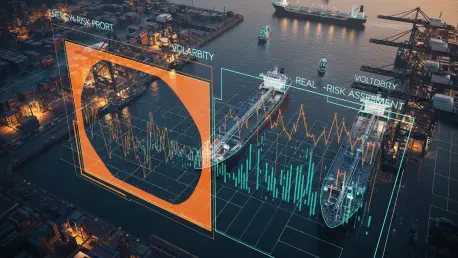

The sudden disappearance of tanker traffic through the Strait of Hormuz has sent shockwaves across global trading desks, forcing investors to recalibrate their risk models in real time. As military activity intensifies in the Middle East, the global financial landscape is entering a phase of extreme uncertainty that challenges the conventional wisdom of the post-pandemic recovery. Wall Street remains on edge, monitoring every development from the Persian Gulf to the floor of the New York Stock Exchange. The current climate represents a high-stakes standoff where energy security and corporate profitability are locked in a precarious tug-of-war.
The Interplay Between Geopolitics and Global Financial Markets
This narrow passage serves as the primary artery for the world energy supply, and its effective closure has triggered a scramble for alternative logistics and insurance coverage. Investors are closely watching U.S. stock futures, where the Dow Jones Industrial Average frequently serves as a barometer for broader geopolitical anxiety and domestic sentiment. While energy giants find themselves in a complex position of rising prices versus operational risk, technology leaders like Nvidia continue to command attention as the ultimate hedge against traditional industrial volatility.
The significance of the Strait of Hormuz cannot be overstated, as it acts as a critical chokepoint for the transit of nearly a fifth of global oil consumption. Any sustained disruption here signals a fundamental shift in market sentiment, moving away from growth-oriented strategies toward defensive positioning. Market players are now analyzing how military escalations could lead to long-term structural changes in how energy is priced and transported across the globe.
Current Market Dynamics and Forward-Looking Projections
Shifting Investor Sentiment Amid Geopolitical Escalation
The escalating friction between the United States and Iran has specifically dampened the performance of the Nasdaq-100, as high-growth assets usually retreat when energy costs spike unexpectedly. Consumer behavior is beginning to shift, reflecting a growing caution as gasoline prices climb toward levels that threaten discretionary spending and holiday travel plans. However, the emergence of agentic AI provides a potential technological driver for market recovery, promising to automate complex supply chain adjustments.
Despite the immediate chaos, corporate earnings estimates for the current year and the 2027 fiscal period remain remarkably resilient in certain sectors. Analysts suggest that the structural strength of the American technology and service sectors might withstand a temporary period of heightened oil prices. This optimism hinges on the belief that productivity gains from recent hardware upgrades will offset the rising costs of physical labor and transport.
Economic Forecasts and Performance Indicators
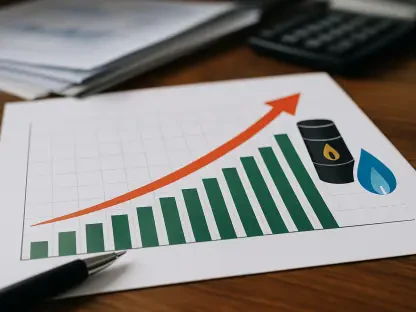
The breach of the $100 per barrel mark for both Brent and West Texas Intermediate crude represents a psychological and economic threshold with deep implications. This surge acts as a heavy tax on global growth, complicating the recovery efforts of the Asia-Pacific region, which remains more sensitive to energy imports than Western equity markets. Meanwhile, the tech sector anticipates significant growth projections following Nvidia GTC conference revelations regarding next-generation processing power.
Data-driven outlooks currently show a notable correlation between oil price spikes and global inflationary trends, forcing a re-evaluation of previous disinflationary narratives. While Western equities have shown some resilience, the divergence between recovering Asian markets and volatile American indices suggests a fragmented global recovery. Investors are looking for signals that the current energy shock will not trigger a repeat of the stagflationary cycles seen in previous decades.
Navigating Macroeconomic Hurdles and Energy Supply Disruptions
The closure of major maritime trade routes has created a critical bottleneck that transcends the energy sector, affecting everything from raw materials to consumer goods. There is a palpable disconnect between the optimistic earnings reports published by large-cap companies and the sobering realities of military engagement. To mitigate these risks, the formation of international maritime escort coalitions is being discussed as a means to restore a sense of order to global shipping.
Maintaining domestic economic stability during a protracted energy crisis requires a delicate balance of fiscal and monetary intervention. The challenge lies in preventing a localized supply shock from evolving into a general economic downturn that erodes middle-class purchasing power. Market-driven solutions, including the rapid deployment of storage technology and alternative routing, are being prioritized by logistics firms seeking to bypass the current conflict zones.
The Regulatory Landscape and Monetary Policy Responses
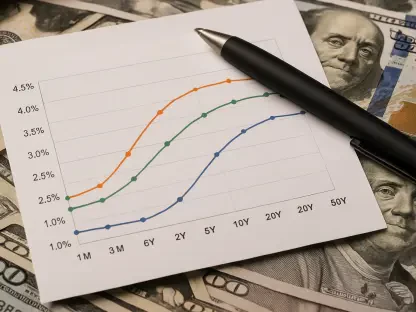
The Federal Reserve now faces the daunting task of balancing interest rates against oil-induced inflation that refuses to subside. International maritime laws are being tested as nations navigate the murky waters of trade regulations in active conflict zones, requiring unprecedented levels of compliance and security. The U.S. administration must weigh the impact of strategic strikes and diplomatic maneuvers against the need to maintain predictable international trade standards.
Global shipping companies are facing increased scrutiny regarding their security measures and adherence to changing international protocols. Regulatory bodies are pushing for more transparency in cargo reporting and insurance liabilities to prevent a total collapse of maritime trade. As the conflict persists, the intersection of military policy and commercial regulation will define the operational boundaries for the energy industry.
Future Outlook: Innovation and Energy Security in a Volatile Era
Long-term shifts toward AI-led industrial efficiency may eventually offset the crushing weight of high energy costs by streamlining manufacturing processes. As the world looks toward a more diversified energy mix, the current volatility could accelerate the transition to renewable sources and more secure, localized supply chains. The future of global trade routes may depend on the ability of nations to diversify their transit points away from traditional conflict zones.
The Federal Reserve is likely to incorporate a permanent geopolitical risk premium into its long-term strategy, acknowledging that the era of cheap energy may be evolving. Anticipating these shifts requires a forward-looking approach to energy security that prioritizes domestic production and technological innovation over historical dependencies. The integration of advanced artificial intelligence into energy grid management could provide the stability needed to navigate future shocks.
Summary of Market Prospects and Strategic Recommendations
The synthesis of the $100 oil environment and the tech-led industrial revolution provided a complex roadmap for the remainder of the decade. Investors who focused on sector rotation and robust risk management were better positioned to weather the storm of energy-driven stagflation. The industry evaluated the potential for a tech-led rally as a legitimate counterweight to the risks posed by supply chain disruptions and military conflict.
Ultimately, the market recognized that while innovation offered a path toward long-term growth, the necessity of a diplomatic resolution remained the only true anchor for global economic stabilization. Strategic recommendations favored a balanced portfolio that accounted for both the high-growth potential of the AI sector and the defensive stability of domestic energy production. The transition into this new era of volatility demanded a sophisticated understanding of how geopolitical events influenced the fundamental mechanics of global finance.