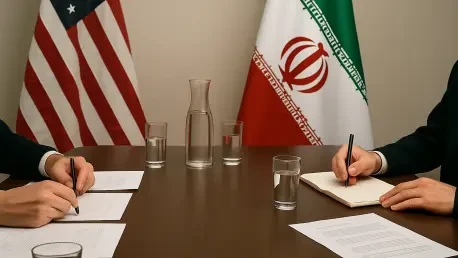

In the tense geopolitical theater of the Middle East, the simultaneous movement of diplomats toward negotiation tables and warships toward strategic positions presents a perilous high-wire act for global stability. With the global economy holding its breath and the specter of conflict looming, the central question is whether a handshake in Geneva can truly avert a full-blown military confrontation between Washington and Tehran. This delicate balance between dialogue and deterrence defines the current high-stakes engagement, as both nations navigate a path fraught with historical distrust and competing strategic imperatives.
The Paradox of Peace Talks When Diplomacy and Military Drills Share the Stage
The Trump administration has openly embraced a dual-track strategy, a complex approach that combines the pursuit of a landmark nuclear agreement with active preparations for what has been described as a potential “sustained military campaign.” This policy creates an environment of immense pressure, where the promise of diplomatic resolution is constantly shadowed by the threat of force. U.S. Secretary of State Marco Rubio has articulated this position clearly, stating that while President Donald Trump unequivocally prefers a negotiated settlement, the United States remains fully prepared for any alternative outcome.
This calculated ambiguity is designed to provide American negotiators with maximum leverage. The visible posturing, including the recent deployment of a second U.S. aircraft carrier to the region, serves as a tangible reminder to Tehran of the serious consequences of diplomatic failure. It transforms the negotiation from a simple discussion of terms into a high-stakes calculus where the cost of intransigence could be devastating, compelling both sides to weigh their words and actions with extreme care.
From a Broken Pact to a Bilateral Gamble The Road to a New Negotiation
The current diplomatic landscape marks a significant departure from the past. The framework has shifted dramatically from the multilateral 2015 pact, which included several world powers, to a direct and intensely focused bilateral negotiation between Washington and Tehran. This new format streamlines communication but also elevates the pressure on both capitals, removing the buffer of other international partners. The path to this direct engagement was paved by quiet, persistent diplomacy, with the nation of Oman playing a crucial role as a discreet and trusted mediator, successfully bridging the communication gap between the two long-standing adversaries.
The upcoming talks in Geneva are poised to be a pivotal moment in this new chapter. The U.S. delegation, led by envoys Steve Witkoff and Jared Kushner, is preparing to meet with a high-level Iranian team that includes Foreign Minister Abbas Araqchi. This face-to-face meeting represents the culmination of months of back-channel communications and sets the stage for what could either be a historic breakthrough or a definitive breakdown in relations, with profound implications for the entire Middle East.
Dissecting the Deal Motivations Compromises and Red Lines
For Iran, the primary driver for re-engaging in negotiations is profoundly economic. Having learned a harsh lesson from the U.S. withdrawal from the 2015 accord, Tehran is now fixated on securing “high and quick economic returns” to ensure the durability of any new agreement. An Iranian diplomat, Hamid Ghanbari, noted that a sustainable deal must be built on securing U.S. economic interests as well, creating a mutually beneficial structure that disincentivizes future withdrawals. To this end, Iran has put forward proposals for joint oil and gas ventures, investments in its mining sector, and significant aircraft purchases as tangible incentives.
While Iran dangles economic carrots, the United States and its allies continue to wield a heavy economic stick. In a recent White House meeting, President Trump and Israeli Prime Minister Benjamin Netanyahu coordinated a strategy to sharply curtail Iran’s oil exports to China, which account for over 80% of Tehran’s oil revenue. This economic warfare is a primary tool of leverage for the U.S., designed to weaken Iran’s negotiating position by strangling its main source of income. This strategy is reinforced by the memory of past military actions, such as the joint U.S.-Israeli airstrikes that previously targeted Iranian nuclear facilities.
Amid these pressures, the core sticking point remains Iran’s uranium enrichment program. Tehran has shown some willingness to compromise, with officials proposing to dilute its stockpile of most highly enriched uranium in exchange for sanctions relief. However, Iranian leaders have drawn a firm red line, stating they will not accept a “zero uranium enrichment” policy. They maintain that a domestic enrichment capability is a sovereign right for peaceful purposes, a position that directly clashes with the fundamental security concerns of the U.S. and Israel, which view any such capability as a potential pathway to a nuclear weapon.
Voices from the Inside The Key Players and Their Hardline Stances
The public and private statements from key figures reveal the deep divisions that must be overcome. The White House’s official position, as articulated by Secretary of State Marco Rubio, is one of preferring peace while being prepared for war. This sentiment underscores the administration’s belief that a credible military threat is an essential component of successful diplomacy. This perspective is mirrored, in a way, by Iranian insiders who believe that appealing to American economic interests is the only way to build a lasting pact.
In contrast, Israel’s position, championed by Prime Minister Benjamin Netanyahu, remains deeply skeptical and uncompromising. During a recent address, Netanyahu detailed the stringent conditions he presented to President Trump, which go far beyond the scope of previous agreements. He insists that any acceptable deal must include the complete and verifiable dismantling of all nuclear infrastructure and the removal of all enriched material from Iranian soil. These demands set an incredibly high bar for the negotiations and highlight the significant external pressure being placed on the White House.
Strategic Maneuvers The Broader Geopolitical Chessboard
The negotiations are not occurring in a vacuum but are part of a broader realignment of strategic priorities in the region. Prime Minister Netanyahu’s announcement of a plan to phase out U.S. military aid to Israel over the next decade signals a major shift in the U.S.-Israel relationship. By aiming to transition from “aid to partnership” by the time the current $3.8 billion annual agreement concludes in 2028, Netanyahu is projecting an image of Israeli economic strength and self-reliance, which in turn strengthens his political position at home and abroad.
Ultimately, the military posturing by the United States serves as the most potent diplomatic tool in this complex negotiation. The presence of significant naval power in the Persian Gulf is an unambiguous message of American resolve and military readiness. This, combined with the precedent of past joint military operations against Iranian targets, ensures that the threat of force is not an abstract concept but a credible possibility. This military backdrop frames every diplomatic exchange, reminding all parties that the clock is ticking and the cost of failure extends far beyond the negotiating room.
The diplomatic efforts in Geneva represented a critical, albeit fragile, attempt to de-escalate a conflict that threatened to engulf the Middle East. The negotiations were characterized by a complex interplay of economic incentives, severe sanctions, and the ever-present shadow of military force. While Iran showed a calculated flexibility on certain nuclear issues, its refusal to abandon uranium enrichment entirely clashed with the non-negotiable demands of the United States and, most notably, Israel. The outcome of these talks ultimately hinged on whether this fundamental divide could be bridged. The intense maneuvering left the region in a state of precarious uncertainty, caught between the hope for a diplomatic breakthrough and the reality of preparations for war.