
A High-Stakes Legal Battle Over Trade and Treasure
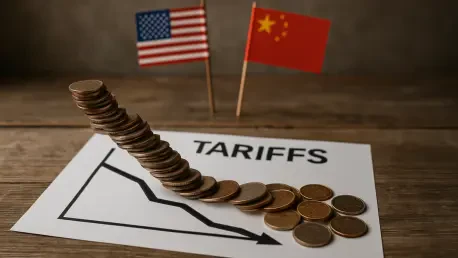
An impending U.S. Supreme Court ruling on the legality of President Donald Trump’s tariffs threatens to send shockwaves far beyond international trade policy, poised to unlock billions of dollars and reshape the financial obligations of thousands of American companies. While U.S. importers stand to receive substantial tariff refunds if the duties are deemed illegal, a less-visible, multi-billion dollar financial ecosystem built around these levies also hangs in the balance. At the heart of the matter are customs bonds and the associated collateral paid by importers to specialized insurance companies. This article will dissect the explosive growth of the customs bond market, analyze the immense financial strain on importers and the corresponding windfall for insurers, and explore the complex process of unwinding these financial obligations if the tariffs are struck down.
The Hidden Financial Engine of U.S. Imports
To understand the current predicament, one must first grasp the role of customs bonds, also known as surety bonds. These bonds are a mandatory form of insurance that importers purchase to guarantee U.S. Customs and Border Protection that all duties and taxes will be paid. The value of these bonds is directly tied to the amount of tariffs an importer owes, typically covering 10% of the duties paid over a rolling 12-month period. Consequently, when the Trump administration levied steep tariffs on a wide range of goods, the required bond amounts skyrocketed. According to one international surety leader, with some tariffs increasing from 10% to 25% or more, importers now face customs bond requirements that range from a regulatory minimum of $50,000 to an astounding $450 million. In one unusual case, a large auto manufacturing client saw its customs bond amount increase by 550%, transforming a routine cost of business into a major financial pressure point.
The Ripple Effects of a Volatile Tariff Environment
A Tidal Wave of Insufficiency Notices and Collateral Calls
The rapid and often unpredictable tariff hikes have created a logistical and financial nightmare for importers. Companies have been inundated with “bond insufficiency notices” from Customs, indicating their existing bonds no longer cover their potential tariff liability. According to international trade attorneys, the number of these notices has quadrupled since 2017. Data from global shipping company Western Overseas Corporation shows a staggering 526% nationwide increase, with total bond insufficiencies reaching nearly $1.5 billion in the first seven months of 2025 alone. This has forced companies to either secure larger bonds or risk having their goods held at port, incurring costly demurrage fees. For businesses with weaker balance sheets, this has led to another hurdle: insurers are now demanding collateral to back the higher-risk bonds, putting a significant strain on corporate liquidity and tying up critical capital that could otherwise be used for growth.
A Lucrative Boom for the Surety Bond Industry
While importers have struggled, the volatile trade environment has created a boom for surety insurers. Companies like RLI, CNA, Skyward, Chubb, and Liberty Mutual have benefited directly from the surge in demand for larger, more expensive customs bonds. Since premiums are typically calculated as a percentage of the bond’s value, soaring bond requirements have translated into a substantial revenue stream for the industry. On a recent conference call, one RLI executive confirmed this trend, stating that increased customs bond requests have been a significant driver of business, a direct consequence of government trade policy. The trade war, in effect, created a captive market where insurers could capitalize on the administrative and financial burdens imposed on importers, leading to a period of unprecedented growth for this specialized sector of the insurance market.
Navigating Uncertainty: A New Normal for Importers
The core challenge for businesses has been the sheer unpredictability of the tariff landscape. Forecasting import duties over a rolling 12-month period—a standard practice for securing a continuous bond—has become nearly impossible with rates changing so quickly. This has made managing cash flow and supply chains exceptionally difficult. According to trade experts, this environment has forced many importers, from luxury brands to purveyors of everyday necessities, into a reactive stance. They must constantly engage with surety brokers to find insurers with the financial strength to support multi-million-dollar bonding limits. In turn, surety companies have had to develop new risk models, leading to significantly higher premiums and stricter credit terms for their clients, further complicating an already challenging operating environment.
The Future of Trade Finance in a Post-Tariff World
Should the Supreme Court rule the tariffs illegal, the financial landscape would shift dramatically. The most immediate effect would be a “revenue headwind” for insurers, as described by one managing director at KBW. Bond amounts would be recalculated based on lower, pre-tariff duty rates, leading to smaller premiums and the eventual return of billions in collateral. However, this reversal is complicated by the Trump administration’s threat to enact new replacement tariffs through other legal means. This potential for continued trade friction means surety companies may be hesitant to immediately release collateral or reduce bond requirements. The liability they face remains high, and as one legal counsel noted, sureties understandably do not want to be caught holding the bag if new duties are suddenly imposed, creating a climate of cautious optimism mixed with significant uncertainty.
Navigating the Path to a Refund
If the tariffs fall, importers will need to be proactive to reclaim their funds. The primary takeaway is that neither bond reductions nor collateral returns will be automatic. Companies must petition their insurance providers to begin the process, which involves underwriting reviews and audits that can take 30 to 60 days. Experts advise businesses, especially small and medium-sized enterprises, to start these conversations now to get ahead of the administrative backlog that will inevitably follow a favorable court ruling. As one attorney advises, companies hoping for a swift return of their collateral will find that proactive and persistent communication speeds up the process considerably. Engaging with customs brokers and surety providers will be essential to navigating the complex unwinding process efficiently.
A System Bracing for a Verdict
The Supreme Court’s pending decision represents more than a referendum on a single administration’s trade policy; it is a critical inflection point for the financial architecture that underpins U.S. imports. Billions of dollars, once locked up in bonds and collateral to mitigate tariff risk, could be released back into the economy, providing a much-needed liquidity boost for thousands of businesses. Yet, the path to that resolution is fraught with administrative hurdles and the lingering uncertainty of future trade actions. Regardless of the outcome, the saga of the Trump-era tariffs has exposed the profound and often hidden interconnectedness of trade policy, corporate finance, and the insurance industry, a lesson that will undoubtedly shape commercial strategy and risk management for years to come.