
Between 2019 and 2024, private-sector job growth in Illinois ranked forty-fourth in the country, highlighting a persistent disconnect between the state’s massive scale and its actual economic momentum. This stagnation has occurred even as the state achieved a historic milestone, pushing its annual gross domestic product beyond the one-trillion-dollar mark. The upcoming gubernatorial election has transformed this economic paradox into a battleground for two fundamentally different philosophies of governance. On one side, the incumbent administration advocates for a proactive, state-led industrial policy that treats the government as a strategic investor in emerging technologies. On the other side, a challenger model proposes a wholesale retreat from targeted incentives in favor of broad-based tax relief and regulatory simplification. This tension captures a broader national debate about the role of the state in the modern economy, particularly as regional rivals compete for dominance in sectors ranging from clean energy to high-performance computing. The decision facing voters involves more than just a preference for a specific candidate; it is a referendum on which economic engine will drive the state into the next decade.
The Case: Targeted Intervention and Fiscal Stability
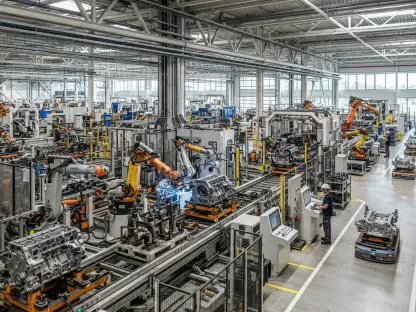
Governor JB Pritzker has built an economic framework centered on the idea that a state must be an active participant in the global marketplace to remain competitive. This interventionist strategy is visible in the administration’s aggressive pursuit of the electric vehicle and quantum computing industries. By leveraging legislative tools like the Reimagining Energy and Vehicles Act, the state has successfully attracted massive investments from global manufacturers such as Gotion and Rivian. These deals often involve complex incentive packages that provide tax credits and financial offsets to companies that commit to significant job creation and long-term capital investment. The logic behind this approach is that the state must “buy” its way into high-growth future industries, ensuring that the necessary infrastructure and supply chains are established within state borders before they are seized by competing regions like the Sun Belt or the industrial Midwest. To the administration, these are not just individual corporate wins but foundational investments that create a secondary ecosystem of suppliers and service providers, thereby multiplying the initial investment’s impact across the regional economy.
Beyond industry-specific incentives, the incumbent model prioritizes fiscal predictability and credit stability as essential prerequisites for any sustained corporate investment. Inheriting a state that suffered through a prolonged budget impasse and a string of credit downgrades, the administration has focused heavily on what it describes as fiscal “cleanup.” This effort has resulted in twelve consecutive credit rating upgrades from major agencies, signaling to the global financial community that the state has moved past its era of fiscal dysfunction. By consistently passing balanced budgets and replenishing a previously depleted rainy-day fund, the administration argues it has created a more reliable and attractive environment for long-term business planning. Furthermore, initiatives like the “Rebuild Illinois” capital plan have funneled billions into transportation, logistics, and broadband infrastructure. This strategy suggests that while the overall tax burden may remain higher than in some neighboring states, the value provided through world-class infrastructure and fiscal stability offers a superior long-term return on investment for major corporations and high-tech enterprises alike.
The Alternative: Deregulation and Systemic Cost Reduction
In sharp contrast to the state-led investment model, State Senator Darren Bailey proposes an economic pivot toward broad deregulation and systemic tax reduction. His platform is built on the premise that the primary role of government should be to lower the fundamental cost of living and doing business for all residents, rather than focusing on high-profile deals with a few massive corporations. This “bottom-up” approach identifies the state’s high property taxes, corporate taxes, and gas taxes as the primary obstacles to growth and the main drivers of population flight. By proposing a reduction in the nearly ten percent effective corporate tax rate and rolling back recent toll increases, the challenger seeks to provide immediate financial relief to small businesses and the logistics-heavy industries that have long been the backbone of the Illinois economy. The philosophy here is that a lower-cost environment will naturally attract and retain a wider variety of businesses, fostering a more resilient and diverse economic base that does not rely on the whims of political favor or state-funded subsidies.
A critical pillar of this alternative vision is the pursuit of radical government efficiency to facilitate these across-the-board spending cuts. The proposal for a new “Department of Government Efficiency” is intended to root out wasteful spending and streamline a bureaucracy that critics describe as overly complex and burdensome. From this perspective, the forty-percent increase in the state budget over the last several years is seen as evidence of an unsustainable “tax-and-spend” culture that ultimately stifles private-sector initiative. The challenger argues that by taking a “fine-toothed comb” to state expenditures, the government can find the necessary savings to fund broad tax relief without compromising essential services. This model explicitly rejects the idea of “picking winners and losers” through targeted incentives, suggesting instead that the best way to foster growth is to create a level playing field where all entrepreneurs can thrive. The goal is to move away from a system of “corporate welfare” and toward a lean, efficient government that prioritizes the economic freedom of its individual citizens and small-scale business owners.
The Divide: Evaluating Incentives Versus Systemic Reform
The disagreement over the use of corporate incentives highlights a deep philosophical divide regarding the social contract between the state and the private sector. The incumbent administration views tax credits and “closing funds” as indispensable tools in a high-stakes competition with states like Michigan, Texas, and South Carolina. To these policymakers, failing to offer competitive incentive packages would mean conceding the future of American manufacturing and technology to other regions. They contend that the state’s massive human capital and logistical advantages are not enough on their own in an era where corporate mobility is high and other jurisdictions are willing to offer aggressive financial inducements. From this viewpoint, the state is acting as a savvy market player, using its resources to secure anchor institutions that will provide jobs and tax revenue for decades to come. The success of this model is measured not by the total amount of state spending, but by the volume of capital investment and the number of high-quality jobs secured through these strategic partnerships.
Opponents, however, characterize these incentive packages as “blank checks” that place an unfair and unnecessary burden on the average taxpayer. The critique suggests that using public funds to subsidize large, often multinational corporations creates an uneven playing field that disadvantages established local businesses that do not receive similar perks. This school of thought maintains that if the state were truly a competitive place to do business, it would not need to pay companies to relocate or expand there. Critics also raise concerns about the transparency and accountability of these deals, particularly when they involve companies with international ties or complex ownership structures. They argue that the focus should instead be on reducing the regulatory and tax hurdles that affect every employer in the state, from the corner grocery store to the mid-sized manufacturer. This perspective holds that true economic vitality comes from a broad base of successful enterprises, rather than a few politically favored projects that depend on ongoing state support to remain viable in a competitive market.
Structural Challenges: Navigating Growth and Persistent Debt
Regardless of which economic model ultimately prevails, any future administration must confront the structural headwinds that continue to weigh on the state’s potential. While the recent string of credit upgrades has pulled the state away from the brink of “junk” status, Illinois still maintains the lowest credit rating among all fifty states. This fiscal reputation creates a persistent “risk premium” that can deter risk-averse investors and increase the cost of public borrowing for essential projects. Furthermore, the state continues to grapple with the highest unfunded pension liability in the nation, a massive financial obligation that consumes a significant portion of the annual budget and limits the resources available for other priorities like education or tax reduction. Addressing this legacy debt remains a central challenge, as any proposed solution must navigate a complex landscape of legal protections and political interests. The tension between meeting these long-term obligations and funding immediate growth initiatives is a defining feature of the state’s economic landscape.
In addition to fiscal challenges, the state’s demographic trends present a complex hurdle for future growth. While some recent data suggests that population loss may be stabilizing, Illinois has historically experienced one of the slowest growth rates in the country, leading to concerns about a shrinking tax base and a potential “brain drain” of young talent. This human capital challenge is particularly acute in downstate regions, which often feel disconnected from the economic engine of the Chicago metropolitan area. The next phase of economic policy will need to address these regional disparities, ensuring that growth is not just concentrated in a few urban hubs but is distributed across the entire state. Whether the solution involves the current model’s focus on regional “innovation hubs” or the alternative’s focus on reducing the cost of living in rural communities, the goal remains the same: creating a sustainable demographic and economic trajectory that can support the state’s trillion-dollar ambitions. The ability to balance these localized needs with the demands of a globalized economy will be a key metric of success for the next administration.
Strategic Outlook: Defining the Path Forward
The analysis of these competing models demonstrated that Illinois reached a crossroads where the choice was no longer about surviving a fiscal crisis, but about selecting a specific engine for long-term prosperity. The incumbent strategy sought to institutionalize a high-touch, interventionist approach that viewed the state as a partner in industrial evolution, emphasizing macro-level stability and the landing of flagship manufacturing plants. This path accepted a higher tax environment in exchange for world-class infrastructure and a seat at the table in the industries of the future. Conversely, the challenger model envisioned a radical restructuring of the state’s financial identity, prioritizing the reduction of systemic costs and the elimination of government-led market distortions. This vision placed its faith in the power of the individual entrepreneur and the natural efficiency of a low-tax, low-regulation environment to reverse population trends and stimulate broad-based economic churn. The diverging maps provided by these two philosophies offered voters a clear choice between a state-led industrial future and a market-driven recovery.
Ultimately, the path forward required more than just picking a philosophy; it demanded a realistic assessment of how to leverage the state’s massive assets while mitigating its historic liabilities. The move toward a trillion-dollar economy provided a buffer, but it did not eliminate the need for difficult decisions regarding pension reform, property tax relief, and the sustainability of state spending. Actionable progress in the coming years will likely depend on the state’s ability to move past “middle-of-the-pack” growth by either perfecting the “Team Illinois” model of targeted investment or successfully implementing the austerity measures needed for broad tax cuts. The state’s logistical and intellectual capital remains among the best in the world, yet the friction of high business costs and debt continued to act as a governor on that potential. As the regional competition for talent and capital intensified, the choice between these two economic frameworks became the defining factor in whether the state could finally match its massive economic scale with a corresponding level of momentum and growth.