A Geopolitical Shockwave Sends Markets Soaring
The sudden overthrow and capture of Venezuelan President Nicolas Maduro by U.S. forces sent a powerful and immediate signal across global financial markets. Following a weekend operation that saw Maduro and his wife, Cilia Flores, transported to New York to face long-standing drug-trafficking indictments, investors responded with a wave of optimism. This analysis explores the multifaceted reasons behind this decisive market rally, dissecting why the removal of a single political figure sparked a broad-based surge in confidence, from European defense stocks to Asian indices. The specific sectors that benefited most, the more nuanced reaction in commodity markets, and the long-term implications of this dramatic geopolitical shift will be examined.
Venezuela’s Long Shadow: The Economic Collapse That Set the Stage
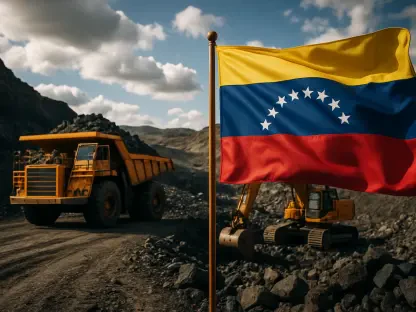
To understand the market’s enthusiastic reaction, one must first grasp the dire state of Venezuela under Maduro’s rule. For years, the nation, which sits on the world’s largest proven oil reserves, suffered a catastrophic economic collapse marked by hyperinflation, crumbling infrastructure, widespread shortages, and a humanitarian crisis. U.S. sanctions, aimed at isolating the regime, further crippled its ability to participate in the global economy. As a result, Venezuela’s oil output dwindled to a fraction of its former capacity, effectively marginalizing its role as a major energy supplier. This backdrop of chronic instability and economic decay meant that investors viewed the Maduro regime not as a stable, albeit antagonistic, entity, but as a persistent source of regional volatility and unresolved risk.
Deconstructing the Global Market Rally
Defense Stocks Lead the Charge
The most immediate and pronounced reaction to Maduro’s capture was seen in the European defense sector. The Stoxx Europe Aerospace and Defense Index surged an impressive 4% to a multi-month high, signaling investor belief that geopolitical interventions can bolster the industry’s bottom line. Shares of major defense contractors like Germany’s Rheinmetall and Italy’s Leonardo advanced sharply. This rally was not just about the single operation in Venezuela; it represented a broader market interpretation that a more assertive Western foreign policy could lead to increased military spending, new contracts, and a heightened security environment that directly benefits defense-related companies.
A Global Sigh of Relief: Broad-Based Investor Confidence Returns
The optimism was not confined to a single industry. The pan-European Stoxx 600 index climbed 0.9%, mirroring gains across the globe. Asia-Pacific markets reached record highs, and the U.S. Dow rallied, reflecting a widespread consensus that the removal of the Maduro regime was a net positive for global stability. For investors, the event signaled a reduction in geopolitical uncertainty, a factor that often weighs heavily on market sentiment. The decisive action was perceived as a step toward resolving a long-festering crisis in Latin America, potentially paving the way for a more stable and predictable investment landscape in the region and beyond.
The Muted Response in Oil Markets: A Story of Diminished Supply
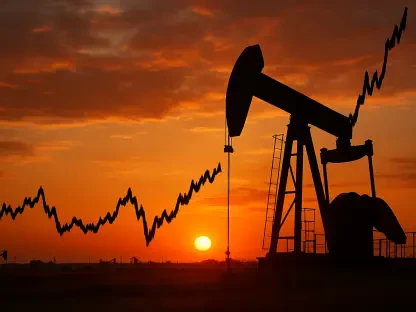
In stark contrast to the equity markets, the reaction in oil prices was notably modest. While any instability in an OPEC nation would typically send crude prices higher, the increase was minimal. Traders quickly weighed the reality of Venezuela’s current production capabilities. Years of mismanagement, corruption, and a lack of investment had already decimated the country’s oil infrastructure, with sanctions further limiting its output. Because Venezuela was already a marginal supplier on the world stage, its potential for further supply disruptions was limited. The market had, in effect, already priced in Venezuela’s dysfunction, making the political change less impactful on global supply-demand calculations than it might have been a decade ago.
Looking Ahead: Uncertainty and Opportunity in a Post-Maduro Era
While markets celebrated the regime change, the future path for Venezuela remains clouded. The U.S. administration’s initial comments about “running” the country were quickly walked back, replaced by more measured statements about using the new situation as “leverage” to achieve policy goals. This ambiguity raises critical questions for investors. The key variables to watch will be the speed at which a transitional government can be established, its willingness to open the country to foreign investment, and its ability to begin the monumental task of rebuilding the nation’s oil industry. A successful transition could unlock immense value, but the risk of prolonged instability or a chaotic power vacuum remains a significant concern.
Navigating the Post-Maduro Investment Climate
The key takeaway from the market’s reaction is its powerful preference for resolution over uncertainty. The rally demonstrates that investors will reward decisive actions that remove sources of geopolitical risk, even if the long-term outcome is not yet clear. For investors, the immediate lesson was the validation of holding positions in the defense sector as a hedge against geopolitical volatility. Looking forward, the primary recommendation is to monitor the political developments within Venezuela closely. The opportunities, particularly in the energy and infrastructure sectors, will be enormous, but they are contingent on the establishment of a stable, pro-market government and a clear legal framework for foreign capital.
A New Chapter for Markets and a Nation
In conclusion, the global market rally following Maduro’s overthrow was a clear vote of confidence in the removal of a significant source of international instability. The surge was led by defense stocks but was broad enough to signal a collective sigh of relief from investors worldwide. The muted reaction in oil markets served as a stark reminder of how far Venezuela’s economy had fallen. While the path forward remained uncertain, this event marked a pivotal moment, underscoring the deep connection between geopolitical events and financial market sentiment. The world watched to see if this dramatic intervention would ultimately usher in an era of recovery and opportunity for the Venezuelan people and the global economy.