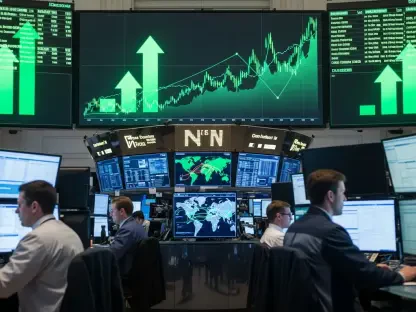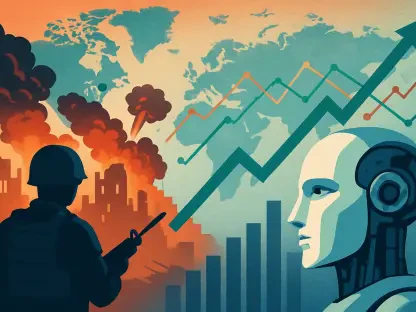

The intricate web of modern global finance ensures that a single geopolitical tremor in one corner of the world can trigger a massive landslide across distant exchanges. On March 12, the pan-European Stoxx 600 index retreated by 1.2%, abruptly erasing previous gains and catching many optimistic traders off guard. This sudden downturn was not sparked by internal European economic data or interest rate shifts, but by the thick fog of uncertainty hanging over Middle East peace negotiations. As investors grappled with conflicting reports from Washington and Tehran, the initial enthusiasm that had buoyed equities vanished, replaced by a cautious “risk-off” posture that reshaped the day’s trading volume.
Geopolitical Friction: The Fragility of Global Finance
European markets have historically been hypersensitive to Middle Eastern dynamics due to geographic proximity and deep-rooted energy dependencies. Past conflicts in the region have frequently led to supply chain disruptions and inflationary spikes, making institutional investors extremely wary of any signs of escalation or failed diplomacy. In the current landscape, the relationship between the United States, Israel, and Iran serves as a primary barometer for global risk. When negotiations appear stalled or messages become contradictory, the market reacts by retreating into safe-haven assets like gold or bonds. Understanding this historical sensitivity is crucial to grasping why a breakdown in communication in the Middle East can lead to immediate sell-offs in sectors as diverse as mining and technology in London, Paris, and Frankfurt.
The Catalyst: Conflicting Diplomatic Narratives
The Disconnect: Washington’s Optimism vs. Tehran’s Denial
The primary driver of recent market volatility was the starkly different narratives emerging from the world’s diplomatic hubs. While U.S. officials suggested that a peace framework was finally under discussion, Iranian Foreign Minister Abbas Araghchi was quick to issue firm denials regarding any formal negotiations. This “he-said, she-said” diplomacy creates a vacuum of information that professional markets loathe. Investors thrive on predictability; when one side claims progress and the other asserts that no direct talks are occurring, the resulting lack of clarity is interpreted as a heightened risk of military escalation. This skepticism was further fueled by Iranian state media, which rejected U.S. terms, leading to a 3.4% drop in the mining sector as traders anticipated potential disruptions to global resource flows.
Strategic Choke Points: The Threat to Global Logistics
Beyond the rhetoric, the substance of the counter-proposals has sent shivers through the logistics and energy sectors. Iran’s reported five-point counter-offer, which includes demands for control over the strategic Strait of Hormuz, represents a direct threat to the arteries of global trade. Because a significant portion of the world’s oil and liquefied natural gas passes through this narrow waterway, any suggestion of Iranian control or potential closure acts as a massive risk premium on European stocks. This specific complexity explains why the technology sector—often reliant on stable global shipping for components—fell by 2.3%, as the market factored in the possibility of renewed supply chain bottlenecks.
Corporate Vulnerability: The Retail Sector Warning
The uncertainty in the Middle East is no longer just a macroeconomic concern; it is beginning to bleed into the balance sheets of Europe’s largest companies. British retailer Next, despite reporting strong earnings, issued a sobering warning that prolonged regional instability could inflate operating costs and dampen consumer demand. This sentiment was echoed by the performance of Sweden’s H&M, which reported weaker-than-expected sales. These corporate disclosures highlight a critical reality: geopolitical strife does not only affect “hard” industries like oil or defense. The “wealth effect” of market volatility and the rising cost of freight mean that every corner of the European economy, including high-street retail, is currently at risk.
Future Outlook: Navigating a Landscape of Volatility
The trajectory of European markets will likely be dictated by the outcomes of high-level diplomatic gatherings, such as the G7 foreign ministers’ meeting in France. These summits are no longer just political formalities; they have evolved into critical economic events that dictate capital flow. We can expect to see increased involvement from “middle powers” like Saudi Arabia, Brazil, and India, as the world seeks a multilateral solution to prevent a broader economic contagion. Technological innovations in energy transition may eventually decouple European markets from Middle Eastern volatility, but in the short term, regulatory shifts and emergency diplomatic interventions will remain the primary tools for stabilizing the financial landscape.
Strategic Implications: Lessons for Investors and Leaders
The takeaway from this period of instability is that geopolitical literacy is now as important as financial literacy for market participants. The 1.2% dip in the Stoxx 600 serves as a reminder that “geopolitical risk” is not an abstract concept but a tangible force that affects sector-specific performance and corporate guidance. Businesses must adopt more resilient supply chain strategies and diversify their exposure to regions prone to sudden diplomatic shifts. For investors, the recommendation is one of extreme caution; until a transparent and credible path toward peace is established, the market is likely to remain in a state of flux, reacting to every headline with renewed volatility.
Closing Reflections: Resilience Amid Global Uncertainty
The recent rattling of European markets by Middle East uncertainty underscored the fragile equilibrium of our globalized economy. While the dip in the Stoxx 600 was significant, it served as a diagnostic tool, revealing the specific vulnerabilities of the mining, tech, and retail sectors to distant political maneuvers. Industry leaders recognized that building resilience required a departure from traditional supply chain models toward more localized or diversified networks. Ultimately, the significance of this period was found in the realization that economic stability remained tethered to diplomatic clarity. Without a transparent roadmap for peace, the shadow of regional instability continued to influence the trading floors of Europe, forcing a shift in how risk was calculated and managed.