
The landscape of Australian real estate is currently undergoing a seismic shift as the September 2026 quarter reveals an unprecedented collapse in housing finance, particularly within the investor segment. This downturn marks a startling reversal from the robust activity witnessed only a year ago when annual investor loan growth peaked at nearly twenty-five percent. Recent data indicates that investor lending has plummeted by thirty-eight point five percent, a figure that significantly dwarfs the more modest contraction seen in owner-occupied financing. Nationally, the total number of housing loans dropped by fifteen percent, stripping fifteen and a half billion dollars from the market in what represents the sharpest quarterly decline since the Australian Bureau of Statistics began recording this specific data series in 2002. Such a rapid withdrawal of capital suggests that the market is grappling with more than just high interest rates, pointing instead toward a fundamental reassessment of property as a viable investment vehicle for many.
Economic Drivers and Industry Divergence
Dr. Mish Tan of the Australian Bureau of Statistics suggests that while elevated borrowing costs certainly provide a backdrop for this cooling period, the primary catalyst for the investor retreat lies in the anticipation of sweeping tax policy changes. Investors are currently navigating a landscape defined by potential reforms to capital gains taxes, negative gearing, and the taxation of trusts, which have collectively created a climate of significant uncertainty. This psychological shift is compounded by the expectation that property prices may have finally reached their peak, prompting a flight to more stable or liquid assets. For many, the prospect of holding residential assets is becoming less attractive as risk-adjusted returns are squeezed by both legislative pressure and stagnant capital growth. Consequently, the volume of capital being directed toward new acquisitions is drying up, leaving a void that was previously filled by private investors looking for long-term wealth generation through the domestic rental market on a national scale.
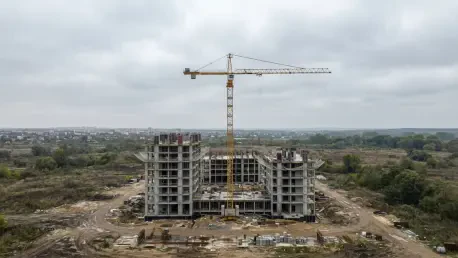
The federal government, led by Housing Minister Clare O’Neil, views these developments as a necessary rebalancing of a market that has long favored investors over residents, yet industry leaders argue this shift could paralyze construction. While the government aims to level the playing field for first-time homebuyers by reducing tax advantages for multiple property ownership, data shows that first-time homebuyer activity also weakened by over eight percent during the quarter. Industry bodies like the Property Council of Australia contend that the housing ecosystem relies heavily on investors to provide the necessary presales for apartment projects. Without these commitments, developers cannot secure the financing required to break ground on new high-density developments, potentially exacerbating the supply shortage. The challenge lies in managing this reform process without decapitalizing the residential construction industry, which is essential for maintaining a healthy and functional housing market for both renters and buyers.
Strategic Pathways for Market Restoration
Stakeholders recognized that the path forward required a delicate calibration of fiscal policy to ensure that the pursuit of social equity did not inadvertently destroy the mechanisms for housing delivery. It became evident that policymakers needed to provide greater clarity on the timing and scope of tax changes to restore some measure of predictability to the market. One actionable step involved creating targeted incentives for institutional investors, such as build-to-rent providers, to offset the loss of individual private capital in the apartment sector. This approach aimed to maintain the pipeline of new supply while transitioning away from the traditional negative gearing model. Furthermore, government entities explored the expansion of shared equity programs to bridge the gap for first-time homebuyers who were previously unable to compete with seasoned investors. By addressing the supply-side financing gap directly, the market sought to stabilize itself against the volatility introduced by rapid legislative shifts and cooling buyer sentiment.
Ultimately, the focus shifted toward a holistic housing strategy that integrated tax reform with aggressive planning deregulation and infrastructure investment. Efforts were made to streamline the approval process for new developments, thereby reducing the holding costs for builders who were already struggling with restricted access to financing. Industry groups and the government eventually collaborated on a roadmap that balanced the needs of renters with the necessity of private investment, acknowledging that a healthy market required both. This transition demanded a move away from short-term political wins toward long-term structural stability, ensuring that the dream of homeownership remained attainable without collapsing the rental availability that millions of residents depended upon. By prioritizing supply and providing a stable tax environment, the industry began the slow process of rebuilding confidence and ensuring that the housing market could meet the demands of a growing population. These strategies laid the foundation for a more resilient economic landscape.