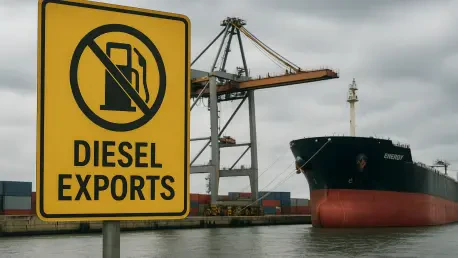

Evaluating the Economic Impact of a Potential Diesel Export Ban
The current administration is navigating a high-stakes internal debate regarding the feasibility of banning diesel exports to stabilize a volatile domestic economy. With treasury officials analyzing whether a partial restriction could lower costs, the move represents a refined approach to energy policy. This analysis explores the mechanics of such a ban and the political pressures driving the discussion while weighing the risks of unintended economic consequences.
The Perfect Storm: Record Prices and Geopolitical Instability
To understand the current proposal, one must look at the surge in energy costs defining the start of the decade. U.S. diesel prices hit historic highs, with localized spikes in California pushing costs to extreme levels. Historically, the nation has acted as a primary global supplier, but the current landscape is marred by external shocks that left the domestic market vulnerable.
The Strategic Debate Over Domestic Energy Security
Relieving the Burden on Agriculture and Logistics
Protecting critical sectors like agriculture and trucking remains a central pillar of the argument. Proponents argue that keeping fuel within borders increases supply, forcing domestic prices down. This strategy aims to ensure that the logistics industry remains solvent during a period of extreme market stress while curbing food price inflation across the country.
The Profit Gap: Crude Oil and Refined Products
A critical challenge is the decoupling of crude oil prices from refined product costs. Diesel is trading at significantly higher levels than crude, creating a massive profit margin for refiners. This disparity provides a strong political justification for a ban, as it targets the specific point in the supply chain where global buyers outbid domestic users.
Navigating Global Supply Chain Disruptions and Market Risks
Industry leaders warn that a ban could create a vacuum in the global market. There is a risk that domestic refiners might reduce overall production if they cannot export excess product. Experts suggest such a move could lead to counterproductive shortages and potentially trigger retaliatory trade measures from international partners.
The Future of U.S. Energy Policy and Market Shifts
From 2026 to 2028, the nation might prioritize domestic availability over global trade commitments. Regulatory changes could mandate minimum reserves as the government explores maneuvers to decouple fuel costs from global volatility. This transition signals a fundamental shift toward energy protectionism and a new era of state intervention in fuel markets.
Strategies for Navigating a High-Cost Fuel Environment
For businesses, the possibility of an export ban necessitates a proactive approach to fuel management. Companies in the logistics sector should consider locking in contracts or exploring hedging strategies to mitigate price swings. Additionally, improving fuel efficiency through technology allows firms to adapt to the changing cost structure of transported goods.
Balancing Domestic Needs with Global Realities
The evaluation of the export ban represented a bold response to an extraordinary economic crisis. The decision weighed domestic stability against the intricacies of trade. This debate redefined the concept of energy independence and moved the focus toward a more resilient infrastructure that favored domestic users over international demand.