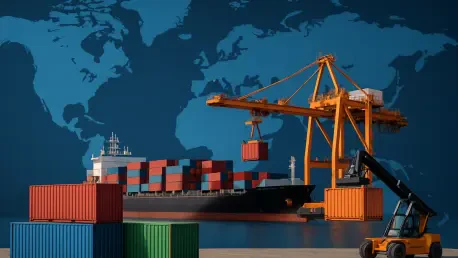

The silent shadows cast by dozens of oil tankers lingering outside the Persian Gulf serve as a grim reminder that the primary arteries of global commerce are currently being squeezed by a tightening geopolitical vice. As the standoff between Washington and Tehran intensifies, the flow of goods that powers the modern world hangs in a precarious balance. The discrepancy between diplomatic optimism and the reality on the ground suggests a crisis that is far from over.
The Illusion of Progress and the Risky Game of “Theater Diplomacy”
The current standoff is defined by a jarring disconnect: while the U.S. administration hints at an imminent deal, Iranian officials dismiss these claims as mere “theater diplomacy.” This gap in diplomatic transparency is not just a war of words; it creates a fog of uncertainty that keeps global markets on edge. Mohammad Bagher Ghalibaf’s blunt rejection of American narratives indicated that the path toward peace was much longer and more treacherous than public statements originally suggested.
Relying on optimistic rhetoric without substantiation has proven dangerous for international investors. The absence of a verified roadmap for de-escalation means that every diplomatic headline is viewed with skepticism, leading to rapid fluctuations in currency and commodity values. Without clear communication, the risk of a miscalculation remains the greatest threat to regional stability and economic continuity.
Why Modern Commerce Depends on Two Narrow Strips of Water
The stability of the global economy rests heavily on the Strait of Hormuz and the Bab el-Mandeb, two maritime chokepoints that are currently facing unprecedented paralysis. These waterways serve as the primary conduits for the world energy supply, and any sustained disruption there triggers a domino effect that impacts everything from local gas prices to international manufacturing costs. The physical closure or harassment of ships in these zones represents an existential threat to just-in-time supply chains.
As regional proxy conflicts intensified, the vulnerability of these transit routes shifted from a theoretical risk to a present-day crisis that threatened the foundations of global trade. The inability of international naval forces to guarantee safe passage has forced shipping conglomerates to reconsider their entire operational maps. Consequently, the reliance on these narrow strips of water has become a liability that few nations can afford to ignore.
From Proxy Conflicts to Maritime Standstills: Analyzing the Disruption
The escalation manifested through a multi-front strategy involving Iranian-backed Iraqi militias and Houthi rebels, specifically targeting Saudi oil infrastructure and tankers in the Gulf of Aden. Shipping data revealed a staggering collapse in traffic, with the Strait of Hormuz seeing daily transits plummet from an average of 140 to a mere handful of vessels. These tactical strikes are designed to maximize economic pain while maintaining a degree of plausible deniability for the central actors.
Furthermore, a proposed framework between Iran and Oman sought to institutionalize this disruption by barring U.S. and Israeli ships while imposing a 20% financial penalty on cargo from “hostile” nations. This hardening of Tehran’s stance signaled that a return to maritime normalcy remained a distant prospect. By weaponizing maritime law and transit fees, the regional powers are creating a new economic order that favors alignment over open trade.
Market Volatility and the Growing Strain on Military Logistics
Economic indicators reacted sharply to the breakdown in communication, with Brent and WTI crude futures reversing losses as the hope for a quick resolution faded. Beyond the markets, the crisis exposed potential cracks in U.S. military readiness; despite official claims of massive munitions reserves, intelligence reports suggested that supplies of advanced weaponry became increasingly tight. This resource strain has complicated the ability of Western powers to maintain a persistent presence in the region.
The involvement of the Islamic Revolutionary Guard Corps in guiding these operations underscored a sophisticated level of tactical pressure that traditional military posturing failed to neutralize. By leveraging asymmetrical warfare, the IRGC has successfully countered superior conventional forces, creating a stalemate that benefits prolonged disruption. This strategic maneuvering has effectively neutralized the deterrent effect of standard carrier group deployments.
Building a Strategic Buffer Against Regional Instability
Stakeholders prioritized supply chain diversification and moved beyond reliance on high-risk maritime corridors. This involved investing in alternative land-based pipelines and increasing domestic energy reserves to mitigate future shocks. By acknowledging the reality of theater diplomacy, global trade entities developed more robust risk-assessment frameworks for shipping insurance and logistics. These measures were essential for decoupling critical industries from the volatility of Middle Eastern transit routes.
The transition toward resilient logistics ensured that the global economy remained insulated from the sudden price spikes inherent in the U.S.-Iran crisis. Governments collaborated on building a strategic buffer that prioritized long-term security over short-term cost savings. These collective actions ultimately provided the stability needed to navigate an era where maritime safety was no longer a guaranteed international norm.