
A Detroit developer is making a fresh attempt to move forward with The Coe, a long-stalled and controversial apartment project in the city’s historic West Village, bringing a multi-year development saga back into the spotlight and promising to reignite debates over the future of one of Detroit’s most cherished neighborhoods. This second-phase development has been on the books for years, and its revival signals the developer’s persistent vision for the area despite previous hurdles that left the prime parcel of land vacant. The renewed push forces residents, city planners, and preservation advocates to once again confront the delicate balance between progress and preservation, a central tension in Detroit’s ongoing renaissance. The project’s return to the public agenda serves as a critical test case for how the city will manage new construction in its historically significant districts, with the outcome poised to set a precedent for similar developments across Detroit. The stakes are high for all involved, as the debate encapsulates broader anxieties about neighborhood character, affordability, and the long-term identity of a community celebrated for its unique architectural heritage and strong residential fabric.
The Coe: A Modern Vision for a Historic Neighborhood
Project Details and Location
The proposed development, formally known as “The Coe,” is designated for a key block on Van Dyke, occupying the space between St. Paul Street and Coe Avenue. This specific location is not just a random plot of land; it sits at the heart of West Village, a neighborhood officially recognized for its historic significance and prized for its collection of late 19th and early 20th-century architecture. The site’s prominence ensures that any new construction will be highly visible and directly integrated into the daily life of the community. As the second phase of a larger residential initiative, The Coe is intended to build upon a previous stage of development, suggesting a comprehensive, long-term strategy for the area. This multi-phase approach often allows developers to establish a foothold and gradually introduce a larger footprint, but it also means the community has had prior experience with the developer’s work, which can influence perceptions of this new, more ambitious chapter. The success of this project hinges on its ability to seamlessly merge with a neighborhood character defined by mature trees, historic brick apartment buildings, and stately single-family homes, making its integration a complex challenge.
Placing a modern structure in such a historically sensitive environment requires a deep understanding of the existing urban fabric. West Village is characterized by a mix of architectural styles, including Arts and Crafts, Tudor Revival, and Colonial Revival homes, which create a cohesive and visually distinct streetscape. The Coe’s proposed location on Van Dyke places it on a thoroughfare that acts as a connector within the neighborhood, amplifying its potential impact on traffic flow, pedestrian access, and the overall aesthetic rhythm of the area. The developer’s plan is not merely to fill a vacant lot but to introduce a significant density increase in a traditionally low-to-mid-rise community. This intensification is a core element of many urban revitalization strategies, aimed at increasing housing stock and supporting local businesses with a larger customer base. However, for a neighborhood like West Village, which has carefully maintained its scale and character through decades of change in the broader city, such a proposal is inherently contentious, forcing a direct confrontation between the goals of urban densification and the principles of historic preservation that have long guided the community’s stewardship of its unique identity.
Architectural Ambitions
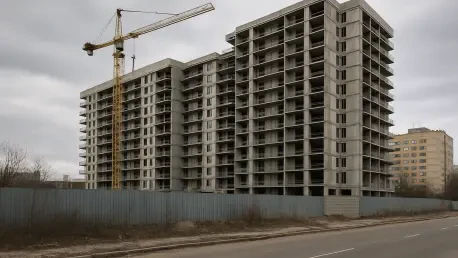
Renderings of The Coe, crafted by the firm Marusich Architecture, showcase a decidedly contemporary, multi-story apartment building that eschews historical imitation in favor of a modern design language. The plans feature clean lines, large glass expanses, and materials that stand in stark contrast to the ornate brickwork, detailed masonry, and traditional forms that dominate the surrounding blocks. This aesthetic choice is deliberate, positioning the project as a forward-looking addition to the city’s housing market rather than a seamless extension of the past. For proponents of the project, this modern approach represents progress, architectural honesty, and a necessary evolution for a city building its future. They argue that attempting to replicate historic styles can result in uninspired pastiche, and that a well-executed contemporary design can create a compelling dialogue between old and new, celebrating both eras. The building’s design is likely intended to appeal to a demographic drawn to modern urban living, offering amenities and open-plan layouts that are difficult to achieve within the constraints of historic renovations.
Conversely, it is this very architectural ambition that fuels much of the opposition from community stakeholders and preservationists. The fundamental critique is that the proposed design is incongruous with the established character of West Village, disrupting the visual harmony that makes the neighborhood so desirable. Critics fear that a large, modern structure will not just stand out but will actively detract from the historic context, creating a jarring visual break in the streetscape that could diminish the area’s overall appeal and historic integrity. The debate transcends mere taste, touching on core principles of urban planning and historic preservation. Preservation guidelines often call for new construction in historic districts to be “compatible” with its surroundings, a term that is notoriously subjective. For many residents, compatibility means respecting the scale, massing, materials, and rhythm of the existing buildings. The Coe’s proposal challenges this interpretation, arguing for a more dynamic and contrasting vision of architectural compatibility, one where the new is clearly distinguished from the old. The resolution of this aesthetic clash is central to the project’s fate and will have lasting implications for how West Village manages its evolution.
A History of Controversy and Delays
The Stalled Proposal
The Coe is not a fresh concept born from Detroit’s recent development boom but rather a “long-planned proposal” that has been mired in developmental limbo for several years. Its history is one of starts and stops, with previous efforts to break ground thwarted by a combination of factors that effectively shelved the project. The developer’s current “second attempt” is a testament to their commitment but also serves as a stark reminder of the significant hurdles that prevented its realization in the first place. These past roadblocks were not minor administrative snags; they were fundamental challenges rooted in community opposition, planning commission reviews, and possibly financing issues that arose from the project’s contentious nature. The prolonged delay has allowed opposition to solidify and has turned the vacant lot into a symbol of the ongoing struggle over the neighborhood’s future. This history of failure looms large over the new proposal, creating a sense of skepticism among residents who have seen this scenario play out before and are wary of another protracted and divisive community battle.
The reasons for the initial stall are multifaceted, likely involving a failure to secure the necessary approvals from bodies like the Historic District Commission, which holds significant sway over new construction in protected areas like West Village. Such commissions are tasked with evaluating whether a proposed project is appropriate in scale, massing, and design, and their rejection or demand for significant revisions can halt a development indefinitely. Furthermore, organized community opposition can create political pressure that makes it difficult for city officials to greenlight a controversial project. Petitions, contentious public meetings, and negative media attention can erode a project’s viability, making it a risky venture for investors and lenders. The fact that The Coe has remained on the drawing board for so long suggests that the initial proposal failed to build the necessary coalition of support among key stakeholders. Now, as the developer re-engages the process, they must not only present a compelling case for the project’s merits but also demonstrate how they have addressed the specific concerns that derailed it years ago, whether through design modifications, new community benefit agreements, or a more effective public relations strategy.
Clashes Over Design and Density
The “controversial” label that has become synonymous with The Coe is firmly anchored in profound disagreements over its physical form and its impact on the neighborhood’s delicate ecosystem. A primary and persistent source of contention has been the project’s scale and unapologetically modern design, which a significant portion of the community believes is fundamentally incompatible with the historic character of West Village. The neighborhood is defined by its human-scale architecture, with two- and three-story brick apartment buildings and single-family homes creating a sense of intimacy and cohesion. The proposal for a multi-story, high-density building threatens to disrupt this balance, with critics arguing it would cast literal and figurative shadows over adjacent properties. Concerns have been repeatedly raised about the building’s height, its setback from the street, and its overall massing, which many fear would create an imposing presence that overwhelms the historic context and sets a dangerous precedent for future out-of-scale developments. This clash is not merely about aesthetics but about the preservation of a tangible sense of place that residents have worked for decades to protect.
These design-related clashes are intertwined with practical concerns about density. Introducing a significant number of new residential units into a single block has ripple effects that worry many long-time residents. A primary concern is the strain on local infrastructure, particularly parking. West Village, with its historic layout, already faces parking challenges, and the prospect of dozens of new households, many with vehicles, raises fears of congested streets and a daily struggle for parking spots. Beyond parking, increased density impacts traffic flow on already narrow residential streets, as well as the capacity of local utilities and public services. While developers often argue that density is key to creating vibrant, walkable neighborhoods that can support local retail, opponents counter that excessive or poorly planned density can degrade the quality of life that attracted people to the neighborhood in the first place. The debate over The Coe is therefore a microcosm of a larger urban planning dilemmhow to accommodate growth and increase housing supply without sacrificing the very qualities that make a neighborhood a desirable place to live.
Fears of Gentrification and Displacement
Beyond the tangible debates over architectural style and building density, the controversy surrounding The Coe is deeply rooted in powerful and pervasive socio-economic anxieties. For many residents, the project is seen as a harbinger of gentrification, a process that could fundamentally alter the community’s economic and social landscape. The introduction of new, market-rate luxury or semi-luxury apartments often leads to an increase in local property values and rental rates, creating upward pressure that can be difficult for long-term residents, renters, and those on fixed incomes to withstand. This economic shift sparks legitimate fears of displacement, where the very people who have anchored the community for decades are priced out of their own neighborhood. The Coe is therefore scrutinized not just as a building, but as a catalyst for a demographic and economic transformation that could erode the diversity that has been a hallmark of West Village. The concern is that the development will primarily serve affluent newcomers, further exacerbating housing inequality in a city still grappling with its legacy.
This narrative of gentrification is amplified by the broader context of Detroit’s revitalization, which has been uneven across the city. While investment in neighborhoods like West Village is often celebrated as a sign of progress, it also highlights the growing gap between thriving areas and those still awaiting resources. Community advocates question who truly benefits from such developments. They push for more inclusive models that incorporate affordable housing components, ensuring that new projects serve a mix of income levels and contribute to neighborhood stability rather than disruption. The debate over The Coe has become a platform for these larger conversations about equitable development. Residents and activists demand more than just a new building; they call for meaningful community benefit agreements, commitments to hiring local labor, and tangible investments in the existing community infrastructure. The developer’s ability to address these deep-seated fears about displacement and affordability will be just as crucial as their ability to win over architectural critics, as the project’s social impact is seen as inextricably linked to its physical one.
The Renewed Effort and Future Stakes
A Second Attempt
The developer’s decision to resurrect the Coe project at this moment is a calculated move, likely driven by a confluence of factors that they perceive as creating a more favorable environment for development. This could include changes in municipal leadership, shifts in the city’s strategic planning priorities, or a belief that the local real estate market has strengthened to a point where the project’s financial viability is more secure. The revival is more than just a re-submission of old plans; it signifies a new strategic push that will inevitably require navigating the same labyrinth of community feedback, zoning regulations, and historic district approvals that proved insurmountable in the past. The success of this second attempt will hinge on the developer’s capacity to learn from previous failures. This involves not only potentially revising the architectural plans to be more sympathetic to the historic context but also engaging in a more robust and sincere community outreach process. Merely hosting a few public meetings will not be enough; they will need to build genuine relationships and demonstrate that they have listened to and incorporated the community’s deeply held concerns into their new proposal.
This fresh effort represents a critical juncture for both the developer and the neighborhood. For the developer, it is an opportunity to rebrand the project and overcome the negative perceptions that have lingered for years. They must prove that their renewed interest is not just opportunistic but is accompanied by a new approach that respects the community’s values. This could involve commissioning new studies on traffic and environmental impacts, proposing tangible community benefits such as public green space or contributions to a local preservation fund, or even phasing the project differently to mitigate its immediate impact. For the neighborhood, the project’s revival is a call to action, mobilizing residents to once again organize, articulate their vision for the future of West Village, and engage constructively with the development process. The challenge will be to move beyond the adversarial dynamics of the past and foster a dialogue that can lead to a better outcome, whether that means a significantly redesigned project or a definitive decision that the proposed development is simply not right for the location.
High Stakes for the Developer
For the Detroit-based developer behind The Coe, the successful execution of this project is a matter of strategic importance that extends far beyond the balance sheet of a single building. As the planned second phase of a larger neighborhood initiative, its completion is critical to fulfilling a long-term investment vision for West Village. A permanently stalled or rejected project would leave a significant gap in their portfolio and could devalue the investment already made in the first phase. The financial implications are substantial, encompassing not only the potential loss of projected revenue from the apartment units but also the carrying costs of the land and the significant capital already expended on architectural designs, legal fees, and preliminary planning over several years. Failure to move forward would represent a considerable financial setback and could make it more difficult to secure financing for future endeavors, as investors and lenders may view the inability to navigate Detroit’s community and political landscape as a significant risk.
Beyond the immediate financial consequences, the developer’s reputation is on the line. In the tightly-knit world of Detroit real estate, a developer’s track record and relationship with the community are invaluable assets. A public and protracted failure to deliver on a high-profile project like The Coe could damage their credibility, making it more challenging to win approval for future projects in other desirable city neighborhoods. Conversely, successfully bringing The Coe to fruition, particularly if they can do so by achieving a consensus with the community, would be a major victory. It would position them as a capable and savvy firm that can handle complex, sensitive urban infill projects, enhancing their standing with city officials, investors, and community groups alike. The outcome of this renewed effort will therefore be a defining moment for the company, either solidifying its reputation as a key player in Detroit’s revitalization or branding it as a firm unable to align its ambitions with the values of the communities in which it seeks to build.
The West Village Context
West Village stands as a prominent example of neighborhood-led revitalization in Detroit, a community that has successfully preserved its historic character while fostering a vibrant and desirable place to live. Its success is not accidental but the result of decades of dedicated effort by residents who have acted as stewards of its architectural heritage and cultivated a strong sense of community. The neighborhood is celebrated for its tree-lined streets, its collection of well-maintained historic apartment buildings and homes, and a burgeoning commercial strip with local businesses that cater to residents. This unique blend of historic charm and modern livability is precisely what makes West Village so attractive to new residents and, consequently, to real estate developers seeking to capitalize on that appeal. The very desirability that draws developers is, however, the same quality that residents are fiercely determined to protect, creating an inherent tension at the heart of the debate over projects like The Coe. The neighborhood’s identity is the central issue at stake.
This context is crucial for understanding the intensity of the opposition to The Coe. The resistance is not simply a case of “Not In My Back Yard” (NIMBY) sentiment; it is a principled stand rooted in a deep-seated commitment to preservation-minded development. Residents have witnessed the pitfalls of unchecked development in other cities and are determined to guide their neighborhood’s evolution in a way that enhances, rather than diminishes, its character. They have an active and organized community association that has long played a role in vetting new proposals and advocating for the neighborhood’s interests at city hall. This existing infrastructure of community engagement means any developer wishing to build in West Village must be prepared for a high level of scrutiny and a sophisticated level of debate. The community is not anti-development, but it is staunchly pro-West Village, demanding that any new project contribute positively to the neighborhood’s physical and social fabric. This protective stance makes the neighborhood a challenging but potentially rewarding place for developers who are willing to engage in a collaborative and context-sensitive design process.
A Looming Debate
As the developer relaunched their effort to build The Coe, the stage was set for another chapter in the long-running saga over the soul of West Village. The initial proposal and the community’s reaction had established the central conflict: a developer’s modern vision clashed with a community’s deep-seated commitment to its historic identity. The subsequent years of delay did not resolve this tension but allowed it to simmer, with both sides solidifying their positions. The renewed push brought this simmering debate back to a boil, forcing a re-examination of whether a compromise could ever be reached. The process that followed was defined by a series of public meetings, planning commission hearings, and intense behind-the-scenes negotiations. The ultimate fate of The Coe was decided not by a single vote, but through this grueling process of public discourse, which tested the resilience of the community and the adaptability of the developer. This renewed debate ultimately determined whether growth and preservation could coexist on that pivotal block of Van Dyke.