
As G7 nations coordinate the release of 100 million barrels from emergency reserves, the underlying shortfall in global refining infrastructure remains a persistent threat. This shift marks a departure from the abundance that characterized previous market cycles, ushering in a decade defined by structural scarcity across multiple sectors. The Scarcity Trade has redefined value, moving focus away from raw reserves toward the capability to process and distribute those materials effectively. In this environment, the mere existence of a resource underground is secondary to the logistical and technical capacity required to bring it to the end consumer. This evolution suggests that the era of inexpensive, frictionless trade has ended, replaced by a world where supply chain resilience and refining capabilities are the ultimate currencies. As global players navigate this transition, the emphasis on tangible production assets over purely financial instruments has become the cornerstone of institutional strategy, reflecting a broader movement toward the ownership of hard physical goods.
Persistent Constraints in Energy Processing
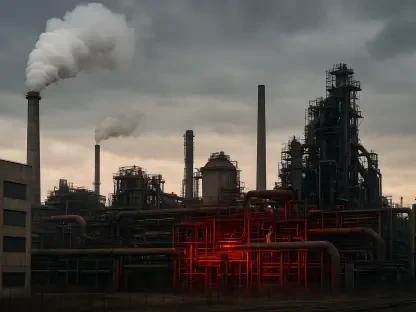
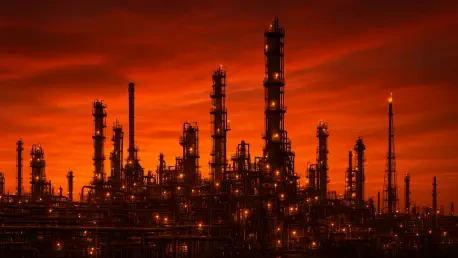
The energy sector currently functions as the primary arena for this shift, with a specific focus on the critical shortage of refined petroleum products. While global crude oil levels might appear statistically sufficient for current demand, the actual bottleneck resides in the aging and overextended refinery infrastructure necessary to produce diesel. This fuel acts as the essential lifeblood for international logistics, heavy construction, and large-scale agriculture, yet global capacity has failed to keep pace with these requirements. Currently, refinery utilization rates frequently exceed 96 percent, yet they remain unable to significantly narrow the supply gap or reduce market volatility. This persistent tightness indicates that the energy crisis is a structural deficit rather than a temporary fluctuation in the economic cycle. Consequently, the high costs of refined energy are being absorbed into every layer of the global supply chain, creating a permanent upward pressure on prices that cannot be easily mitigated by policy.
Government interventions during this period have underscored the desperation felt by major economies as they attempt to secure domestic fuel inventories. For instance, China, as a dominant player in global refining, recently took the drastic step of suspending fuel product exports to prioritize its internal stability and economic security. Simultaneously, members of the G7 have resorted to massive releases from strategic reserves to combat soaring price levels, yet these actions are increasingly viewed as short-term measures that ignore deeper issues. Market indicators like the diesel crack spread, which has soared to record heights near $118 per barrel, demonstrate that refining profitability is high because the product itself is genuinely scarce. These interventions provide only temporary relief and do not solve the fundamental lack of investment in physical processing capacity that has plagued the sector for years. The focus must now shift toward rebuilding the tangible infrastructure required to support a modern economy.
Metal Markets and the New Monetary Standard
Beyond energy, the scarcity narrative is clearly reflected in the industrial metals market, where copper has recently surged to record highs above $14,500 per tonne. This price action is driven by a massive mismatch between available supply and the overwhelming demand generated by the global energy transition. Modernizing electrical grids and scaling renewable technologies require vast quantities of high-grade copper, yet the development of new mining projects remains slow and capital-intensive. Unlike financial products, physical metal supplies cannot be generated instantly, leading to a situation where industrial demand consistently outstrips the pace of extraction and processing. This imbalance has forced a massive repricing of the metal, as manufacturers and governments scramble to secure the materials necessary for infrastructure longevity. The resulting market tightness suggests that copper is no longer just a cyclical industrial input but a strategic asset whose scarcity defines the speed of global technological progress.
Gold has simultaneously demonstrated remarkable strength, holding firm above $4,000 despite a high-interest-rate environment that traditionally weighs on non-yielding assets. This resilience is largely attributed to aggressive accumulation by central banks and a significant increase in imports by major Asian economies, which are currently on track for an eleven-year high. This trend indicates that gold is being utilized as a foundational hedge against both geopolitical fragmentation and the potential debasement of fiat currencies. In a decade characterized by the Scarcity Trade, gold serves as the ultimate store of value when confidence in global financial systems becomes strained. The metal’s performance suggests a shift toward a more conservative monetary approach, where physical backing and tangible security are prioritized over speculative paper gains. As investors move to protect their portfolios from inflation and currency volatility, the demand for gold remains a clear signal that the economic world is pivoting back toward a standard rooted in irreplaceable physical assets.
Biological Limits and Agricultural Stability
The agricultural sector represents the most rigid frontier of the Scarcity Trade, where market pricing is increasingly colliding with the inescapable realities of biology and weather. Unlike electronic currencies or financial derivatives, agricultural output cannot be accelerated or multiplied through aggressive monetary policy or technical patches. The global food price index has reached multi-year highs, driven by significant increases in the cost of staples such as wheat, corn, and various cereals. This situation creates a hard floor for prices, as the world faces the simple truth that no amount of capital can manufacture a harvest where one has not been planted and nurtured. The intersection of rising input costs for fertilizers and the increasing frequency of erratic weather patterns has made large-scale food production more precarious than in previous decades. This shift highlights a growing mismatch between a rising global population and the actual physical capacity of the land to provide at current consumption levels.
Disruptions in international trade routes have further exacerbated the scarcity of agricultural commodities, leading to a noticeable decline in the global cereal trade. High energy costs for transportation and processing have also been passed directly to consumers, making food security a primary concern for policymakers worldwide. Because the agricultural cycle is seasonal and dependent on specific environmental conditions, the supply response to high prices is naturally delayed and often insufficient. This means that once a deficit is established, it can take several years of optimal conditions to return to surplus, assuming such conditions are even possible in a changing climate. The current market environment is one where food is increasingly viewed as a strategic commodity rather than a simple consumer good. As nations look to protect their own food supplies through export restrictions and domestic stockpiling, the global market for essential crops is becoming more fragmented and expensive, cementing the role of physical goods as the primary drivers of stability.
Strategic Imperatives for the Physical Economy
The transition into this decade of hard assets was driven by a long-term neglect of physical production and a systematic underinvestment in industrial capacity. For years, the global market prioritized the growth of the service sector and digital economies while assuming that the supply of raw materials and energy would remain perpetually abundant and cheap. However, the sudden realization of structural shortages forced a violent correction in how value was perceived and assigned. Investors who once relied solely on traditional stock-and-bond diversification found that these instruments offered little protection against the physical realities of supply chain breakdowns. The shift toward owning irreplaceable tangible goods became a necessity for those seeking to preserve wealth in an environment where inflation and scarcity were no longer temporary. This period of repricing marked a historic moment where the global financial system had to reconcile with the limitations of the physical world, leading to a new hierarchy of asset classes.
Strategic planners eventually recognized that the path to stability required a fundamental pivot toward localized processing and the securing of long-term access to critical resources. It became clear that corporations needed to prioritize vertical integration, managing everything from raw extraction to final refining to insulate their operations from global volatility. Diversifying portfolios into commodities was established as a core requirement for institutional risk management rather than a speculative choice. Furthermore, investments in technologies that improved resource efficiency and recycling were identified as essential tools for mitigating the effects of natural scarcity. These developments highlighted the necessity of building supply chains capable of withstanding both geopolitical shocks and shifting environmental conditions. By accepting that physical constraints were permanent, leadership teams developed more robust economic models that valued tangible security and long-term resilience over brief financial gains.