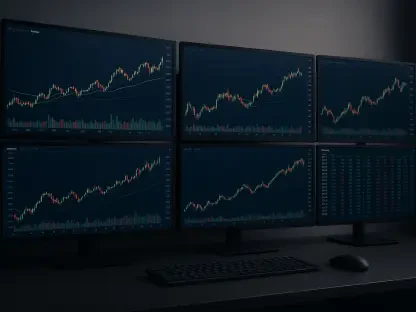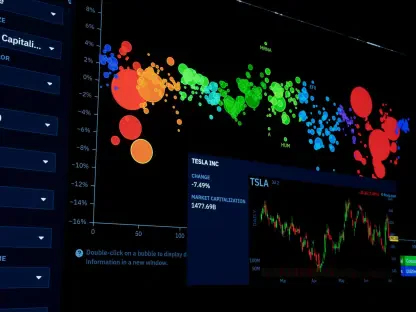

The retail foreign exchange industry is currently navigating a tectonic shift as the long-standing dominance of third-party platforms like MetaTrader begins to fade into the background of a more diversified landscape. For years, brokers operated primarily as intermediaries, providing access to a standardized trading environment that looked and felt identical across dozens of different firms. However, recent disruptions, such as the sudden removal of major trading applications from digital marketplaces and tightening oversight on proprietary trading entities, have exposed the inherent fragility of this monoculture. These events served as a critical wake-up call for the industry, proving that over-reliance on a single software vendor constitutes a major operational vulnerability. Consequently, the leading brokerage firms are now ditching these legacy systems in favor of building their own proprietary ecosystems. This pivot signifies a broader transformation where brokers are evolving into full-fledged technology providers, prioritizing technical independence and long-term stability over the convenience of off-the-shelf solutions.
Strategic Incentives for In-House Development
Data Ownership and AI Integration
By developing and maintaining their own internal trading environments, modern brokers are finally able to capture and utilize one hundred percent of their users’ behavioral and transactional data without third-party filters. This wealth of granular information is becoming the primary engine for developing highly personalized retention strategies and managing internal risk with surgical precision. In the previous era of standardized platforms, brokers often struggled with data silos or restricted access to the full spectrum of user interactions, which limited their ability to respond to market trends in real-time. Today, having an in-house stack means every click and every hover is logged and analyzed to refine the broker’s business model.
Furthermore, proprietary platforms enable the seamless integration of advanced artificial intelligence-driven analytics and real-time trading signals that legacy systems often struggle to support. Many older platforms were built on architecture that predates the current AI revolution, making it difficult to inject sophisticated machine learning models directly into the user interface. By contrast, a custom-built system allows for the inclusion of predictive charting tools and automated risk-assessment bots that operate natively within the environment. As we move deeper into the 2026 trading cycle, the ability to provide instantaneous, AI-powered insights has become a key requirement for any firm looking to capture the attention of a more sophisticated, tech-savvy generation of retail traders.
Brand Differentiation and Regulatory Agility
In a saturated market where spreads and commissions are rapidly approaching zero, offering a unique and intuitive user interface has emerged as the primary method for a broker to distinguish itself. Custom-built platforms allow for specialized tools, such as integrated social trading layers and advanced order types, that define a company’s brand identity far more effectively than a generic terminal. When every broker uses the same software, the industry becomes a race to the bottom on price; however, a proprietary ecosystem shifts the focus back to the quality of the user experience. This level of customization fosters deeper brand loyalty, as traders become accustomed to a specific workflow that cannot be found elsewhere, effectively reducing client churn in a highly competitive environment.
Additionally, maintaining full control over the underlying codebase makes it significantly easier for brokers to adapt quickly to the shifting regulatory requirements found in different global jurisdictions. Brokers who rely on third-party vendors are often at the mercy of the software developer’s update schedule, which can lead to compliance delays or forced platform outages. By owning their own technology, firms can implement necessary regulatory patches instantly, ensuring they remain compliant without needing to wait for a vendor to release a global update. This agility is particularly vital in the current environment where regulatory crackdowns on specific trading instruments can happen with little warning, providing a level of operational security that legacy systems simply cannot match in today’s world.
Industry Adoption and the Evolving Trading Landscape
Migration Strategies of Market Leaders
Global giants like IG Group and OANDA are currently leading this industry-wide charge by actively encouraging their vast client bases to migrate away from legacy third-party software. These established firms have recognized that their long-term survival depends on owning the relationship with the client from the first click to the final settlement. Many leaders are employing a multi-phased approach that combines financial incentives with exclusive access to premium features only available on their native platforms. For instance, some brokers are offering lower spreads or reduced margin requirements for those who trade via their proprietary apps. This strategy is a calculated move to ensure that the broker maintains a direct line of communication with the trader, free from the interference of external vendors.
Furthermore, some brokers are adopting more aggressive tactics to phase out older systems, such as soft-retiring legacy software by severely limiting the number of available instruments. On these aging platforms, users might find themselves restricted to only a handful of major currency pairs, while the broker’s proprietary environment offers access to thousands of global stocks and advanced derivatives. This strategic push ensures that the most profitable segments of their client base move toward the more advanced, broker-controlled environments. These proprietary systems are designed to handle the high-throughput demands of modern markets while offering superior stability compared to overloaded servers. The migration is as much about performance as it is about strategic independence.
The Rise of Alternative White-Label Solutions
For smaller or mid-tier brokers who may lack the massive capital reserves required for ground-up development, a new tier of technology providers has emerged to fill the gap in the market. Solutions like Match-Trader and DXtrade offer a middle ground, providing modern, flexible alternatives to the traditional monopolies that once held a stranglehold on the retail forex sector. These white-label options allow smaller firms to stay competitive by offering a sleek, contemporary user experience that mirrors the quality of the industry giants without the multi-million-dollar price tag of internal research. These platforms are often built using modular architectures, which allow brokers to plug in their own liquidity providers and custom branding with minimal friction.
These alternative solutions are specifically designed to meet the demands of a new generation of traders who prioritize mobile-first interfaces and seamless connectivity across multiple devices. Unlike the legacy systems that often feel like they were designed for the desktop era, these new platforms are built with cloud-native infrastructure and responsive design at their core. This allows brokers to provide a consistent experience across all devices. Moreover, these white-label providers are often more willing to collaborate with brokers on custom feature requests, providing a level of specialized service that the dominant legacy vendors rarely offered. Consequently, the rise of these flexible alternatives has democratized access to high-quality trading technology for the entire industry.
Consequences for the Retail Trader
While proprietary platforms generally offer superior execution speeds and a better mobile experience, they also present a unique challenge regarding cross-platform compatibility for the trader. Many retail investors have spent years developing custom indicators or automated trading bots built specifically for legacy systems. Moving to a proprietary ecosystem often means that these tools are no longer functional, effectively locking in the trader to a single broker or forcing them to rewrite their entire codebase from scratch. This technical barrier remains a significant hurdle for those using precision automation, highlighting the trade-off between the benefits of modern technology and the loss of a universal software standard. Choosing a broker now requires a deep look at technical features.
The widespread pivot toward proprietary ecosystems fundamentally altered the criteria by which a retail trader evaluated a potential brokerage partner during this period of transition. In the past, the choice was made based almost entirely on spreads and commissions, but the platform’s long-term viability became an equally vital factor for success. It was necessary for investors to determine whether a broker’s internal technology roadmap aligned with their personal needs, especially regarding API access and advanced analytical tools. The industry shifted into a fragmented state where the focus remained on the total value of the ecosystem. As firms refined their internal stacks, the market rewarded those who successfully balanced proprietary control with enough openness to allow for a diverse range of trading styles.