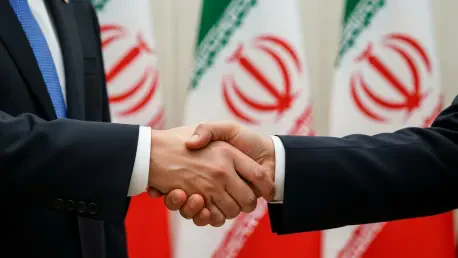

The sudden escalation of military operations in the Middle East has sent shockwaves through international diplomatic circles as United States forces conducted targeted precision strikes against Iranian infrastructure despite an active regional ceasefire agreement being in place. These kinetic actions occurred at a pivotal moment when the global community anticipated a significant de-escalation of hostilities following months of high-level negotiations. The Pentagon clarified that the operations were not intended to dissolve existing truces but were instead necessary responses to specific, verified threats against American personnel and strategic maritime assets in the Persian Gulf. Defense officials utilized advanced satellite imagery and real-time signal intelligence to identify localized breaches of the agreement by proxy elements, necessitating a surgical kinetic response. This move highlights the precarious balance of power in the region where military force and diplomatic engagement coexist in a state of constant tension. Critics argue that such actions undermine the fragile trust required for a permanent settlement.
Strategic Leverage: The Role of Military Deterrence in Diplomacy
The current administration, led by President Trump, appears to be navigating a dual-track strategy that combines aggressive military posturing with an intensified push for a comprehensive peace treaty. This approach centers on the concept of negotiating from a position of absolute strength, where tactical strikes serve as a reminder of the technological disparity between the contending forces. Analysts suggest that by demonstrating a willingness to use force even during delicate negotiations, the United States aims to coerce Iranian leadership into making deeper concessions regarding their ballistic missile programs and regional influence. Central to this strategy is the deployment of next-generation unmanned aerial vehicles and cyber-warfare capabilities that can disable command structures without necessitating a full-scale ground invasion. The goal is to create a restrictive environment where the costs of non-compliance far outweigh the benefits of adherence to the proposed peace framework. By utilizing these advanced tools, the administration signaled its refusal to tolerate any deviations from the established terms, even while the primary objective remains a diplomatic exit from the long-standing conflict.
Regional Stability: Path Toward a Sustainable Resolution
Achieving a lasting resolution required the implementation of robust verification protocols that leveraged automated monitoring systems to ensure compliance across all borders. The recent strikes demonstrated that any future agreement must include specific clauses regarding the immediate cessation of proxy financing and the decommissioning of localized drone manufacturing sites. Moving forward, the international community focused on establishing a multilateral security framework that integrated regional partners into a unified defense architecture. This transition allowed for a shift from reactive military intervention to proactive conflict prevention through shared intelligence and economic incentives. Leaders emphasized that the success of the peace deal depended on the ability of all parties to adhere to the established red lines while fostering a climate of transparency. By prioritizing the security of global energy corridors and the protection of sovereign airspaces, the framework established a new precedent for conflict resolution in a fragmented geopolitical landscape. These steps ensured that diplomatic efforts remained grounded in measurable security outcomes.