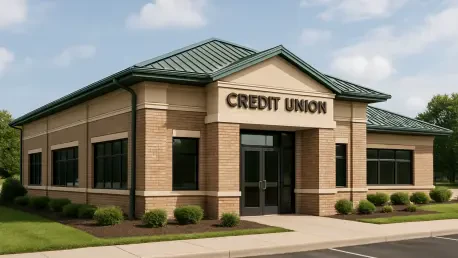

The upcoming West Bend Plan Commission meeting scheduled for March 3, 2026, marks a definitive step toward reshaping the city’s retail corridors by evaluating a sophisticated commercial proposal for the southeast corner of 18th Avenue and West Washington Street. At the heart of this discussion is the construction of a standalone Kohler Credit Union facility, a 4,792-square-foot structure designed to modernize financial services in the region while replacing the existing satellite branch currently located within the Meijer store. This project is not merely an architectural addition but a logistical undertaking that requires city officials to meticulously review a technical memorandum regarding traffic patterns. By comparing the projected traffic generation of the credit union against previous data from a Kwik Trip traffic impact study, the commission aims to ensure that the increased activity does not overwhelm the local infrastructure or compromise safety for residents.
Technical Challenges and Historical Site Remediation
Before this new development could even be considered, the site underwent a dramatic change following the demolition of the former Fleet Farm and Tri-Par gas stations back in 2020, leaving a prime but complex vacant lot in a high-traffic area. Beyond the visible surface, developers must navigate a series of geographic hurdles that have historically complicated construction efforts in this specific quadrant of West Bend, most notably the presence of active underground springs. These natural water features present unique engineering challenges, requiring advanced drainage solutions and structural reinforcements to ensure the long-term stability of any new commercial building. Successfully managing these environmental factors is crucial for the Kohler Credit Union project, as the integrity of the three planned drive-through lanes and the main foundation depends on modern mitigation techniques that can handle the shifting hydrogeology of the terrain while maintaining environmental standards.
The financial weight of this development is equally substantial, with the property currently listed at a price point of approximately $3.1 million, reflecting the high value of commercial real estate at this major intersection despite the known site difficulties. Consequently, the project serves as a litmus test for the local market’s resilience, especially as developers contend with the dual pressures of significant land acquisition costs and the general rise in construction expenses throughout the region. To justify such an investment, the broader development plan hints at more than just a financial institution, as the site layout includes provisions for assumed restaurant land uses that could potentially maximize the property’s economic output. This approach allows the developers to create a multi-use commercial hub that draws in diverse consumer traffic throughout the day, ensuring that the initial capital outlay translates into a sustainable operation.
Commercial Diversification and Future Planning Considerations
While the credit union remains the only officially confirmed tenant for this specific lot, local anticipation has been fueled by persistent rumors regarding high-profile brands like Popeyes, Chick-fil-A, or Scooter’s Coffee potentially joining the development. These speculative concept plans highlight a growing demand for quick-service dining and drive-through convenience in West Bend, even if official agreements for these particular franchises have yet to be finalized or publicly disclosed by the planning committee. The inclusion of these theoretical land uses in the technical review process allows the Plan Commission to prepare for a “worst-case” traffic scenario, ensuring that the intersection can handle a peak volume of visitors if these popular eateries eventually move into the space. This forward-thinking strategy prevents future bottlenecks and ensures that the retail expansion remains an asset to the neighborhood rather than a source of congestion.
The commission reached a pivotal moment in West Bend’s growth strategy by weighing these expansion plans alongside a separate hearing for a conditional use permit involving a makeup and tattoo studio on South Main Street. Officials recognized that modernizing the retail landscape required a shift toward high-density service hubs that combined financial, culinary, and personal care services within a small geographic footprint. To ensure the success of similar future projects, the city prioritized rigorous environmental assessments and multi-phase traffic modeling as standard operating procedures for all high-value commercial zones. This proactive stance allowed the local government to address the complexities of underground springs and aging infrastructure before breaking ground, ultimately providing a blueprint for sustainable urban development. By fostering a diverse mix of tenants, West Bend successfully transformed a challenging historical site into a productive economic engine.