
As a recognized authority in global finance and market analysis, Priya Jaiswal has spent her career dissecting the intricate layers of international business trends and portfolio management. Her deep understanding of how information flows through the global economy makes her an invaluable guide for professionals looking to sharpen their competitive edge. In this discussion, we explore the evolving landscape of digital intelligence, the strategic importance of curated briefings, and the ways in which specialized data tools are reshaping decision-making for over 300,000 finance professionals worldwide.
Digital subscription tiers range from essential access to premium deep dives and exclusive insights. How do these different levels of access serve specific professional roles, and what metrics should an individual use to decide if high-level industry analysis is worth the additional monthly investment?
The distinction between standard and premium access is fundamentally about the depth of the “deep dive” required for a specific role. Standard digital access provides the essential, trusted journalism that keeps a generalist informed on any device, but Premium Digital is designed for those whose roles demand a 20% or 30% deeper understanding of specific market shifts. If your career involves spotting hidden risks or unique opportunities, the $75 per month investment for premium insights often pays for itself by providing the “Unhedged” perspectives that a standard report might miss. Professionals should evaluate their need for exclusivity; if your daily decisions rely on analyzing the trillions made or lost in tech or interpreting the nuances of global government debt, the cost of being under-informed far outweighs the subscription fee. Ultimately, if the exclusive insights provided can prevent a single misinformed trade or strategic error, the annual commitment—which often comes with a 20% discount when paid upfront—is a negligible cost of doing business.
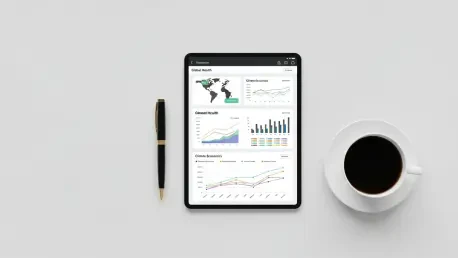
Data reporting now uses sophisticated graphics to track global health, economics, and climate change. How can a professional reader best leverage these visual tools to identify emerging risks, and what are the step-by-step methods for translating complex data visualizations into actionable business strategies?
Visual tools are the bridge between raw numbers and strategic foresight, especially when tracking massive themes like the pandemic’s impact on health or the shifting economics of climate change. A professional should start by identifying the chief data reporter’s visual narratives, which distill complex global events into digestible graphics that highlight trends over time. The first step is to look for anomalies in the charts—such as a sudden divergence in market value—and then cross-reference those visuals with expert commentary to understand the “why” behind the movement. By using these graphics to map out the trajectory of politics or sport, you can begin to forecast how external pressures might squeeze your specific industry. It is about moving from “viewing” to “interpreting,” where a single chart on global debt can serve as a roadmap for adjusting your company’s exposure in volatile regions like Ukraine or Venezuela.
Specialized newsletters provide briefings on everything from Wall Street trends to the political implications of a presidential term. Why is this curated format becoming essential for decision-makers, and can you share an anecdote about how a niche briefing helped a reader navigate a major market shift?
In an era of information fatigue, the curated newsletter format—like “Inside Politics” or “Europe Express”—serves as a filter that delivers only what is essential straight to an inbox. Decision-makers value this because it saves time while ensuring they don’t miss the “Political Fix” that could alter trade or defense policy. I recall a situation where a reader relied on a niche briefing regarding a second presidential term to anticipate shifts in Washington’s business regulations before they became mainstream news. By following the “White House Watch,” they were able to pivot their strategy weeks ahead of their competitors, who were still reacting to broader, slower news cycles. This proactive approach is exactly why we see such high engagement with specialized content that dissects how the best minds on Wall Street are responding to current market trends.
Reporting on the technology sector often involves tracking trillions in market value alongside expert commentary. When monitoring these massive financial swings, which specific tech trends deserve the most attention, and how should readers weigh expert opinion against raw market data?
When you are following trillions of dollars moving through the tech sector, the trends that deserve the most scrutiny are those that intersect with global infrastructure, such as government debt and large-scale tech investments. It is easy to get lost in the “raw data” of daily market swings, but the real value lies in the crisp analysis and expert opinions that provide a narrative to those numbers. Readers should use raw data as the “what” and expert commentary—from specialists who have covered everything from San Francisco tech to Greek debt—as the “so what.” For instance, a trillion-dollar valuation change is just a number until a tech comment editor explains how it relates to broader economic stability or emerging regulatory hurdles. Balancing these two allows a professional to distinguish between a temporary market tremor and a fundamental shift in the industry landscape.
Organizations often require multi-user digital access with exclusive professional features. What are the primary challenges when implementing a unified news strategy across a large company, and what specific tools are most effective for managing portfolio planning and personalized content for different departments?
Implementing a unified news strategy, such as through a professional organization plan, often faces the challenge of relevance; a marketing team needs different insights than a legal or finance department. The most effective way to overcome this is by utilizing personalization tools that allow different departments to curate their own content streams while remaining under a single organizational umbrella. Features like portfolio planning tools and the digital edition—which offers a cover-to-cover replica of the print version—ensure that everyone has the same high-quality foundation but can dive deep into their specific niches. By providing 700+ journalists’ worth of global reporting to an entire staff, an organization ensures that its collective intelligence is synchronized. This unified access helps break down silos, as a science commentator’s update on health might be just as relevant to a portfolio manager as a report on the latest interest rate hike.
Beyond business reporting, coverage often extends into life, arts, and travel reviews. How does consuming a broader range of culture and opinion pieces contribute to a well-rounded professional perspective, and what specific habits help readers find value in these non-financial sections?
The most successful leaders I know don’t just read the ticker tape; they engage with “Life & Arts” to understand the cultural currents that eventually drive consumer behavior and political shifts. Consuming thought-provoking reads and high-profile interviews helps develop a more empathetic and creative mindset, which is crucial for modern leadership. I recommend the habit of dedicated “weekend reading,” where you step away from the daily market volatility to explore travel reviews or intersectional culture pieces. This broader perspective allows you to see the “global view” of key events, decoding their impact not just on finance, but on the society in which your business operates. It turns a professional into a well-rounded thinker who can discuss the Serengeti as fluently as they can discuss the S&P 500, fostering better networking and a more nuanced understanding of the world.
Do you have any advice for our readers?
My best advice is to never view your information gathering as a passive activity, but rather as a strategic investment in your own intellectual capital. Start with a trial—even a simple 3-month print or digital introductory offer—to see which specialized newsletters and tools actually change the way you think or work. Don’t be afraid to experiment with different plans; whether it is a $50 introductory offer or a full-scale professional subscription, the goal is to find the level of insight that makes you feel most prepared for the unexpected. In a world of 300,000 competing professionals, the one who takes the time to read the deep dives and use the portfolio tools is the one who will consistently lead the way in business and beyond. Information is the only currency that doesn’t depreciate if you spend it wisely.