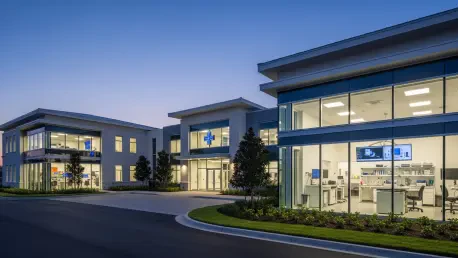

The global equestrian industry has undergone a massive transformation, shifting from a niche recreational pursuit into a high-stakes asset class where individual horses are valued in the millions of dollars. As these animal athletes reach the pinnacle of performance in disciplines like dressage, show jumping, and polo, the infrastructure required to maintain their health has become a focal point for institutional real estate investors seeking recession-resistant yields. A prime example of this trend is the recent $9.27 million acquisition of the Palm Beach Equine Clinic in Wellington, Florida, by Terramed Real Estate Solutions. This transaction involved a specialized three-building medical complex totaling over 15,000 square feet, situated in a region synonymous with international competition. By securing properties that house elite veterinary teams and cutting-edge technology, firms are betting on the enduring demand for specialized care in markets where the equestrian economy is deeply entrenched.
The Intersection: High-Performance Athletics and Advanced Medicine
The Palm Beach Equine Clinic represents the gold standard of modern veterinary infrastructure, featuring a suite of diagnostic and surgical capabilities that rival top-tier human hospitals. Within its walls, veterinarians utilize advanced imaging tools such as magnetic resonance imaging, computerized tomography, and nuclear scintigraphy to pinpoint issues before they become career-ending injuries. The facility also houses a USDA-approved isolation unit and more than 20 recovery stalls, ensuring that horses receive 24/7 post-operative care from a team of over 35 specialized practitioners. This level of sophistication is necessary because the stakes are incredibly high; an Olympic-level sport horse requires a bespoke medical regimen to maintain peak physical condition. For an investor, the complexity of these operations creates a significant barrier to entry, as replicating such a specialized environment requires both immense capital and a deep understanding of the unique requirements of equine surgical and rehabilitative workflows.
Beyond the medical equipment itself, the geographic placement of these assets serves as a primary driver for institutional interest. Wellington, Florida, serves as a global epicenter for the horse world, hosting prestigious events at Wellington International and the National Polo Center that draw affluent participants from every continent. This concentration of wealth and high-value animals creates a self-sustaining ecosystem where demand for veterinary services remains constant regardless of broader economic cycles. Real estate firms like Terramed, which now manages over 1.7 million square feet of medical property, target these equestrian hubs because they offer a density of high-net-worth clients who view veterinary care as a non-discretionary expense. By acquiring the land and buildings occupied by established practices with decades of history, investors gain exposure to a stable revenue stream anchored by the most prestigious names in the sport.
Economic Resilience: Future Investment Strategies
The move toward equine medical real estate reflects a broader shift among institutional players who are looking beyond traditional office or retail spaces to find specialized niches with long-term viability. These specialized medical facilities offer a unique combination of high tenant retention and specialized build-outs that make relocation difficult for the occupying practice. When a clinic like the one founded by Dr. Paul Wollenman and Dr. Scott Swerdlin has operated for over forty years, the brand equity and local trust are invaluable components of the underlying real estate value. Investors are increasingly viewing these assets as infrastructure for the equestrian world, recognizing that as long as high-level competition exists, these hospitals will remain essential. The resilience of the luxury sport-horse market, which often moves independently of the standard housing or stock markets, provides a hedge against volatility that is highly attractive to private equity and real estate investment trusts seeking diversified portfolios.
The strategic acquisition of elite veterinary assets successfully demonstrated that specialized healthcare infrastructure provided a durable pathway for capital preservation in a fluctuating global economy. Investors prioritized facilities that integrated advanced diagnostic technology with proximity to major competitive circuits, ensuring a permanent influx of high-value clientele. This approach moved beyond simple property management into a partnership model where the real estate supported the operational excellence of world-class medical teams. To capitalize on these emerging opportunities, firms conducted exhaustive due diligence on the historical performance of resident veterinary practices and the specific regulatory hurdles associated with specialized surgical centers. By focusing on geographic clusters with high barriers to entry and non-cyclical demand, the investment community established a new benchmark for niche medical real estate. These steps ensured that the intersection of luxury athletics and veterinary science remained a lucrative and stable frontier.