
On the final trading Monday of 2025, a sudden and severe downturn rattled Wall Street, abruptly halting the Dow Jones Industrial Average’s record-setting trajectory with a plunge of nearly 250 points. This unexpected turbulence during a typically quiet holiday week was not a random fluctuation but the culmination of a perfect storm brewing beneath the market’s surface. A violent “flash crash” in the silver market, triggered by a sudden regulatory change, collided with a growing sense of exhaustion in the year’s high-flying technology sector. The resulting shockwave exposed deep vulnerabilities in market liquidity and investor sentiment, forcing a rapid and painful reevaluation of risk as traders raced to cover massive losses, turning a calm trading day into a stark reminder of how interconnected and fragile modern markets can be. This single session served as a critical inflection point, signaling a potential shift in market leadership and strategy heading into the new year.
The Commodity Market’s Shockwave
The primary catalyst for the market’s sharp reversal originated not in equities but in the commodities space, where a decisive regulatory action sent shockwaves across asset classes. The CME Group issued a critical advisory that substantially increased the initial margin requirements for trading silver futures. This move, effectively a “margin hammer,” had an immediate and severe impact on highly leveraged participants like hedge funds and commodity trading advisors. Faced with the sudden demand for significantly more collateral to maintain their positions, these traders had no choice but to engage in a massive and immediate liquidation. The forced selling created a cascade effect that overwhelmed the market, turning what had been a spectacular year for silver into a cautionary tale about the perils of concentrated, leveraged bets and the immense power of regulatory intervention to puncture speculative bubbles.
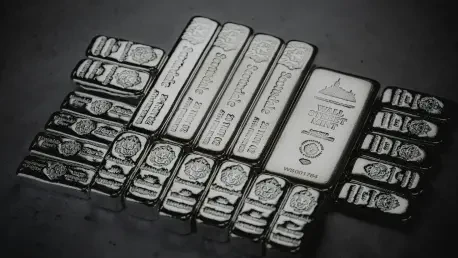
The fallout from this regulatory tightening was both swift and dramatic, ripping through the precious metals complex. Silver, which had enjoyed a phenomenal run-up of over 140% throughout the year, experienced a “flash crash,” plummeting nearly 9% in a single session—its most significant one-day percentage drop since 2021. The panic did not stop there; gold was caught in the downdraft, falling 4.6% to settle around $4,344 per ounce. The sudden collapse of these traditional “safe haven” assets had a powerful secondary effect. It drained a substantial amount of liquidity from the financial system and soured the market’s overall appetite for risk. This negative sentiment quickly bled into the stock market, as traders facing margin calls in commodities were forced to sell their most liquid and profitable equity positions—which were predominantly in the technology sector—to raise cash, thus linking the fate of the Nasdaq to the turmoil in the silver pits.
Sector Divergence and Shifting Sentiment
The technology sector, which had been the undisputed engine of the market’s historic gains all year, bore the brunt of the equity sell-off. Nvidia, the world’s most valuable public company and the poster child of the AI boom, saw its shares decline by 1.7%. This slide was driven by a growing undercurrent of investor skepticism regarding the immediate return on investment from the massive capital expenditures pouring into AI infrastructure. Similarly, Tesla experienced an even sharper drop, falling 3.3% due to renewed worries about global demand for electric vehicles and the impending expiration of key U.S. tax credits. This rotation out of high-flying tech stocks was symptomatic of a broader trend of “AI fatigue,” where the market is transitioning from rewarding narratives of future potential to demanding concrete evidence of productivity gains and tangible revenue growth from its technology darlings.
In stark contrast to the carnage in the technology and commodities markets, the energy sector emerged as a rare pocket of strength and a relative safe haven for investors. The sector as a whole gained 0.9%, serving as a crucial hedge against the broader market decline. This resilience was not based on speculation but was fueled by tangible, real-world factors, including a 2% rise in West Texas Intermediate (WTI) crude oil prices to over $58 per barrel. The increase was directly attributed to supply disruptions in Kazakhstan and escalating geopolitical tensions in South America. Consequently, companies like Exxon Mobil and Devon Energy posted solid gains, demonstrating that the “reflation trade”—a strategy that favors assets poised to benefit from rising inflation and economic activity—remained a viable and profitable strategy for investors seeking shelter from the volatility roiling other sectors.
Broader Implications and the Path Forward
The turbulent session was not merely a one-day event but an amplification of several broader trends that had begun to surface in the latter part of the year, signaling a significant shift in market psychology. The concept of “AI fatigue” became palpable as investors showed they were no longer willing to indiscriminately fund future promises without seeing tangible results. The market’s reaction demonstrated a clear pivot toward demanding concrete evidence of profitability from the billions invested in AI technologies. Furthermore, the session served as a powerful reminder of the profound impact that regulatory bodies can have on market stability. The CME’s decision to raise margin requirements during a low-liquidity holiday period was a deliberate and effective move to puncture a speculative bubble in silver, triggering a broader “de-risking” event that rippled across multiple asset classes and underscored the inherent risks of over-leverage.
This late-year volatility ultimately provided a clearer, albeit turbulent, outlook as the market transitioned into 2026. The sell-off, while sharp, created what many analysts saw as a healthier entry point for investors, forcing a necessary reevaluation away from speculative froth and toward fundamental value. It solidified the notion that the key strategic pivot for the coming year would be the shift from “AI development” to “AI monetization,” rewarding companies that could prove their technology delivered real-world efficiencies. While the silver crash was violent, the metal’s strong fundamental demand drivers in industrial applications suggested a stabilization could present a buying opportunity. In the end, however, the day’s events underscored that the ultimate variable governing market direction remained the monetary policy of the Federal Reserve. The session served as a critical lesson on the importance of diversification, marking a definitive transition as investor focus shifted from the narratives of 2025 to the hard data of 2026.