
Large-scale energy traders are increasingly seeking flexible capacity through virtual platforms to balance their electricity portfolios across different geographic regions. This operational shift is driven by the rapid decentralization of power generation and the growing need for real-time responsiveness in modern grids. In response to these market demands, Deutsche Bank and Rabobank recently finalized an €835 million financing package to support Return, an Amsterdam-based energy storage specialist. This substantial investment is designed to accelerate the deployment of utility-scale battery systems throughout Germany, marking a pivotal moment in how European energy infrastructure is capitalized. By moving away from smaller, isolated project loans, this deal establishes a robust and flexible financial framework capable of supporting the massive expansion of renewable energy assets. As Germany intensifies its efforts to transition toward a sustainable energy economy, this funding provides the critical capital necessary to stabilize the national grid against the inherent variability of green power.
Innovative Financial Structures for Rapid Growth
Transitioning to Portfolio-Based Funding
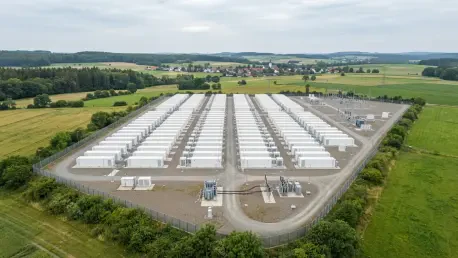
A defining characteristic of this transaction is the shift toward a portfolio-based facility, a significant evolution from the traditional site-by-site financing models that have historically dominated the sector. Previously, developers were often required to negotiate separate credit agreements for every individual battery site, a process that was not only time-consuming but also introduced significant administrative friction and overhead costs. By consolidating multiple projects under a single umbrella agreement, Return can now streamline its development pipeline and deploy capital with much greater efficiency. This approach reflects a growing maturity within the financial industry, as major institutions recognize the long-term viability of battery storage as a distinct and bankable asset class. The initial phase of this funding covers three major projects in Germany with a combined capacity of 117 megawatts, providing a solid foundation for the company’s broader ambitions in the Central European region.
Scaling and Flexible Investment Facilities
The flexibility of this €835 million arrangement is further enhanced by its modular structure, which allows for the seamless addition of new assets through 2027. This means that as new storage sites reach the critical financial close stage, they can be integrated into the existing facility without the need for exhaustive renegotiations or the drafting of entirely new contracts. Such scalability is essential for Return to achieve its stated goal of installing at least one gigawatt of new storage capacity annually, an ambitious undertaking estimated to cost between €750 million and €1.2 billion per year. By securing this long-term commitment from elite financial partners, the company is better positioned to navigate the complexities of supply chain management and construction timelines. This strategic foresight ensures that the necessary infrastructure can be deployed at the pace required by national climate mandates, effectively de-risking the expansion of the German battery market during a period of high demand.
Supporting Digital Infrastructure: The Virtual Flexibility Portfolio
Beyond the acquisition of physical battery hardware, a significant portion of the investment is dedicated to the enhancement of digital management systems, specifically the Virtual Flexibility Portfolio. This advanced platform serves as a central nervous system, linking geographically dispersed storage facilities into a singular, unified virtual network that can be managed with high precision. By aggregating these individual units, Return can offer a more reliable and substantial pool of energy to grid operators and large-scale utility companies. This digital integration is a prerequisite for participating in complex modern electricity markets, where speed and coordination are paramount. The ability to control a vast array of batteries from a central interface allows for the optimization of charging and discharging cycles based on real-time grid conditions. Consequently, the company can provide high-value services such as frequency regulation, which is critical for maintaining the overall stability of the high-voltage transmission network.
Commercial Integration and Strategic Reserves
This virtualized approach is particularly attractive to major energy traders like ENGIE and Centrica Energy, both of whom have already entered into substantial contracts to utilize Return’s flexible capacity. By providing a single point of access to a diverse portfolio of assets, the company simplifies the process for traders who need to balance their positions across various regions and timeframes. The digital system essentially transforms a collection of physical batteries into a strategic reserve that can react instantaneously to price fluctuations and supply-and-demand imbalances. This level of technical sophistication ensures that the storage assets are not merely passive components of the grid but active participants in the economic stabilization of the energy market. As digitalization continues to permeate every aspect of the utility sector, the synergy between physical storage and virtual management becomes a key differentiator for companies seeking to lead the energy transition with scalable solutions.
Addressing Grid Volatility and Market Demand
The Economic Role of Battery Buffers
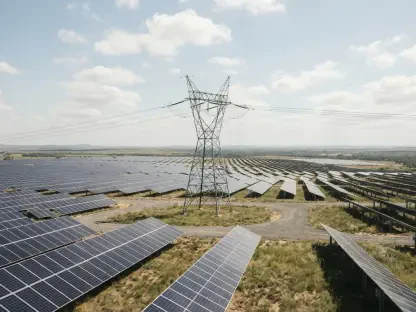
The fundamental driver for this massive expansion in storage capacity is the evolving composition of the German electricity generation mix, which is now dominated by wind and solar power. While this transition represents a significant achievement for environmental policy, it also introduces a high degree of volatility into the daily operations of the national grid. Solar generation typically peaks during the middle of the day when industrial demand may be high, but it drops off completely after sunset, leaving a gap that must be filled by other sources. Similarly, wind production can fluctuate wildly based on weather patterns, leading to periods of massive surplus or sudden shortages. Battery storage systems act as a critical buffer in this environment, absorbing excess energy when production is high and discharging it during periods of scarcity. This capability is essential for ensuring that the supply of electricity always matches the demand, preventing grid instability.
Mitigating Curtailment and Ensuring Energy Security
In addition to providing grid stability, these battery systems enable sophisticated energy arbitrage strategies that improve the overall efficiency of the power market. By purchasing and storing electricity when prices are low—often during periods of peak renewable production—and selling it back to the grid when prices rise, operators can generate significant financial returns while simultaneously lowering costs for consumers. Perhaps more importantly, the widespread deployment of storage helps to mitigate the problem of curtailment, where wind farms and solar parks are forced to shut down because the grid cannot handle the surplus electricity. In recent years, Germany has faced challenges with wasted green energy due to insufficient storage infrastructure. By capturing this surplus power, batteries ensure that renewable resources are utilized to their full potential. This dynamic not only supports the profitability of producers but also accelerates the reduction of carbon emissions.
Future Outlook and Industry Maturation
Scaling Up: Meeting National Climate Targets
Current market data from Germany’s Federal Network Agency reveals an unprecedented surge in interest for grid-connected storage, with thousands of applications for new capacity received in the past year alone. This massive pipeline represents hundreds of gigawatts of planned projects, highlighting the industry’s recognition of storage as a cornerstone of the future energy system. However, a significant discrepancy remains between these speculative applications and the projects that successfully reach the construction phase. The involvement of top-tier financial institutions like Deutsche Bank and Rabobank is a clear signal that the sector has reached a critical level of institutional maturity. Large-scale storage is now viewed as a safe and bankable infrastructure investment rather than a niche technological experiment. This shift in perception is vital for securing the hundreds of billions of euros in private capital needed to meet Germany’s long-term climate goals and industrial energy needs.
Institutional Confidence and Technological Advancement
Technological advancements are also playing a key role in the maturation of the market, with the adoption of four-hour battery systems becoming the new industry standard. These modern units are capable of performing multiple full cycles daily, allowing them to shift significant amounts of energy from times of surplus to times of high demand. This represents a major step forward from earlier technologies that were primarily used for short-term grid stabilization or frequency response. As the duration and efficiency of these batteries continue to improve, they will play an increasingly prominent role in managing the seasonal fluctuations of the energy market. Furthermore, the industry is placing a greater emphasis on the sustainability of the battery supply chain. As Germany continues to retire its remaining coal and gas power plants, these advanced storage systems will become the primary source of backup power, providing a clean and reliable alternative to traditional thermal generation.
Strategic Pathways for Sustainable Energy Infrastructure
The successful implementation of this financing framework provided a clear roadmap for future investments in the European energy sector. By prioritizing scalability and digital integration, stakeholders demonstrated that the challenges of grid volatility were manageable through coordinated financial and technical innovation. Observers noted that the transition to a high-renewables grid required more than just physical assets; it necessitated a fundamental rethinking of how those assets were funded and managed in a globalized market. Moving forward, the focus will likely shift toward international grid connectivity and the standardization of virtual flexibility platforms to ensure seamless cross-border energy trading. Industry leaders recommended that future projects prioritize long-term off-take agreements with major utilities to further de-risk the investment landscape. As Germany solidified its position as a leader in energy technology, the lessons from this deal offered valuable insights for other nations.