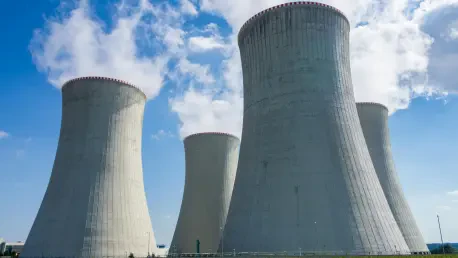

In the ongoing quest for a stable and carbon-free energy grid, the state of Illinois has placed a significant bet on a proven, yet often controversial, power source, a move solidified by a landmark federal decision. The Nuclear Regulatory Commission (NRC) has granted 20-year operating license renewals to two of Constellation’s key nuclear facilities, the Clinton Clean Energy Center and the Dresden Clean Energy Center. This announcement, made on December 16, 2025, did not come lightly; it was the culmination of an exhaustive regulatory review examining every facet of the plants’ safety systems, equipment integrity, and long-term maintenance strategies. With these extensions, the Clinton facility is now cleared to operate through 2047, while the two Dresden reactors have received green lights to continue producing power until 2049 and 2051, respectively. This decision extends the life of critical infrastructure and represents a powerful statement about the role of nuclear energy in meeting the state’s ambitious clean energy goals amid rising electricity demand. It underscores a growing consensus among policymakers, industry leaders, and labor unions that nuclear power remains an indispensable tool for ensuring grid reliability while aggressively cutting carbon emissions.
Securing Illinois’ Energy Future
A Rigorous Path to Renewal
The approval for the continued operation of the Clinton and Dresden facilities was the result of a multi-year, meticulous review process conducted by the Nuclear Regulatory Commission, an agency tasked with ensuring the safe use of radioactive materials for beneficial civilian purposes. This was not a simple administrative rubber stamp but a deep-dive analysis into the long-term viability and safety of aging, yet critical, energy assets. Investigators and engineers from the NRC scrutinized thousands of pages of technical documentation, conducted numerous on-site inspections, and evaluated the effectiveness of Constellation’s maintenance and aging management programs. Key areas of focus included the structural integrity of the reactor pressure vessels, the reliability of emergency core cooling systems, and the resilience of the plants against potential external threats, from extreme weather to seismic events. The process affirmed that both the single-reactor Clinton plant and the dual-reactor Dresden station have the robust systems and protocols necessary to operate safely for another two decades. This decision provides a long-term operational horizon, allowing for strategic planning and investment that would otherwise be impossible, ensuring these plants can continue their role as cornerstones of Illinois’ energy infrastructure.
Investing in Next-Generation Reliability
In conjunction with securing the license renewals, Constellation has committed to a substantial capital investment exceeding $370 million to modernize and upgrade both the Clinton and Dresden Clean Energy Centers. This infusion of capital is earmarked for state-of-the-art enhancements designed to boost efficiency, bolster safety margins, and ensure the plants operate with maximum reliability for the duration of their extended licenses. At the Clinton facility, the projects include the installation of new, high-efficiency auxiliary transformers and advanced equipment chillers, crucial components that support the plant’s core operational systems and improve overall system resilience. Meanwhile, the Dresden station is slated for equally significant upgrades. Technicians will implement a next-generation feedwater level control system, a technological leap that provides more precise and automated control over reactor conditions, thereby enhancing safety. Furthermore, the installation of a new main power transformer will equip operators with advanced electrical system monitoring capabilities, allowing for proactive maintenance and improved grid stability. These targeted investments are a clear demonstration of the operator’s commitment to not just extending the life of these assets, but to elevating their performance and safety standards for the future.
The Broader Economic and Environmental Impact
Powering the Economy and the Workforce
The decision to extend the operational lives of the Clinton and Dresden plants reverberates far beyond the energy sector, delivering a profound economic impact that will be felt across Illinois for the next two decades. The renewals are projected to secure more than 2,200 high-skilled, permanent jobs, providing stable, family-sustaining careers for engineers, technicians, and support staff. This employment figure does not even account for the hundreds of additional temporary union jobs created during refueling outages and for the implementation of the planned capital upgrade projects. Beyond direct employment, the continued operation of these facilities is a massive economic engine for the state and local communities. It is estimated that the plants will generate approximately $8.1 billion in federal, state, and local tax revenues over their extended lifetimes. This revenue is vital for funding public services such as schools, infrastructure improvements, and emergency services. This economic certainty was a key reason for the strong support from labor organizations like North America’s Building Trades Union (NABTU), which celebrated the announcement as a victory for working families and a commitment to long-term, quality employment in the clean energy sector.
A Cornerstone of Carbon-Free Energy
The renewal of the Clinton and Dresden licenses represented a critical moment in the practical application of Illinois’ clean energy policy, affirming the indispensable role of nuclear power in the transition away from fossil fuels. As the state works to decarbonize its economy, the consistent, carbon-free electricity generated by these plants provided a foundational source of baseload power that intermittent renewables like wind and solar cannot yet supply on their own. The decision was widely seen as a consensus victory that aligned the goals of environmental advocates, economic planners, and organized labor. By ensuring a reliable supply of clean energy, Illinois bolstered its capacity to meet the growing electricity demand driven by the electrification of transportation and buildings, all while adhering to its ambitious climate targets. The long-term investment and regulatory certainty that came with the license extensions sent a clear signal that nuclear energy was not just a legacy technology but a forward-looking solution, integral to creating a resilient, prosperous, and environmentally sustainable future for the state.