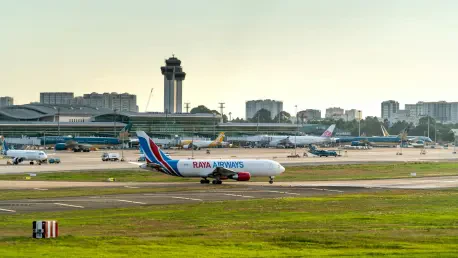

The intricate balance of responsibility between airlines and the traveling public has been fundamentally altered by a new Department of Transportation directive that redefines who bears the financial burden for flight disruptions caused by mandatory aircraft recalls. This policy shift, prompted by widespread travel chaos, signals a significant change in the regulatory landscape, with profound implications for both carrier liability and passenger rights across the United States.
Navigating the Skies: The Landscape of Airline Accountability
The U.S. airline industry operates as a complex ecosystem where major carriers, aircraft manufacturers like Airbus, and federal regulators such as the Department of Transportation (DOT) share responsibility for ensuring safe and efficient travel. Airlines are tasked with operational execution, from scheduling crews to maintaining aircraft, while manufacturers are responsible for the airworthiness of their products. The DOT oversees this entire framework, setting the rules that govern safety, competition, and consumer protection.
Historically, the division of responsibility during flight disruptions has been a source of tension. Passengers generally expect airlines to provide support during delays and cancellations. In turn, airlines have maintained that their obligations should be limited to issues within their direct control, creating a delicate equilibrium that is now being tested by new regulatory interpretations.
The Winds of Change: New Policies and Financial Impacts
The DOT’s New Directive: Redefining ‘Controllable’ Disruptions
The DOT has issued pivotal new guidance that formally classifies flight disruptions stemming from mandatory aircraft recalls as events beyond an airline’s control. This clarification effectively absolves carriers of the obligation to provide compensation for incidental passenger expenses like meals or hotel stays in such scenarios, a commitment many had voluntarily adopted for other types of delays.
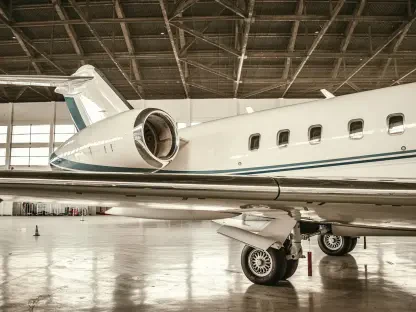
This policy adjustment was catalyzed by the significant travel disruptions during the Thanksgiving holiday, when an urgent software recall on thousands of Airbus A320 aircraft grounded flights and stranded passengers. The guidance now draws a clear line between issues an airline can manage, such as crew availability and routine maintenance, and external safety mandates imposed by manufacturers or aviation authorities.
Financial Turbulence: The Cost Shift from Carriers to Consumers
The economic consequences of this directive are substantial, shifting the financial burden of recall-related delays from airlines directly to their customers. Passengers caught in these disruptions will no longer be automatically entitled to meal vouchers or lodging, forcing them to cover unexpected costs out-of-pocket or rely on other forms of protection.
For airlines, this represents a significant financial relief. Large-scale recalls can affect hundreds of flights, and the cumulative cost of compensating every impacted passenger can run into millions of dollars. As aircraft technology becomes more complex, the frequency of software and hardware-related safety recalls could rise, making this guidance a critical financial shield for carriers in the years ahead.
Gray Skies Ahead: The Complexities of Passenger Compensation
This new classification introduces a layer of complexity for travelers trying to understand their rights. Distinguishing between a delay caused by a ‘controllable’ mechanical issue versus an ‘uncontrollable’ mandatory recall is nearly impossible for the average passenger, leading to potential confusion and frustration at the airport gate.
Airlines that strictly adhere to this guidance risk significant customer backlash and long-term damage to their reputations. While the policy provides a legal basis for denying compensation, the court of public opinion may not be as forgiving. This situation encourages passengers to become more proactive, turning to solutions like comprehensive travel insurance or credit cards with robust travel protection benefits to mitigate their financial risk.
The Shifting Regulatory Compass: A Looser Rein on Airlines
It is crucial to differentiate between the two types of passenger compensation. Federal law continues to mandate that airlines offer a full ticket refund if they cancel a flight for any reason and the passenger chooses not to travel. The DOT’s new guidance, however, pertains only to ancillary expenses, which have always been covered on a voluntary basis by major U.S. carriers.
This policy is indicative of a broader trend toward deregulation within the aviation sector. It aligns with the administration’s recent decision to withdraw a proposal that would have made compensation for airline-caused disruptions mandatory. This approach stands in stark contrast to more stringent consumer protection frameworks, such as the European Union’s EU261 regulation, which mandates compensation for a wider range of delays and cancellations.
Cleared for Takeoff? The Future of Passenger Rights
The DOT has emphasized that this guidance is an interim measure while it proceeds with a formal rulemaking process to permanently categorize the root causes of flight disruptions. This effort aims to create a clear, legally binding framework that defines what constitutes a controllable event, removing the ambiguity that currently exists.
Nevertheless, this temporary guidance is poised to heavily influence the final regulations. It establishes a powerful precedent that defines manufacturer-driven recalls as an external factor, a position long advocated by the airline industry. The final shape of these rules will undoubtedly be contested by consumer advocacy groups pushing for greater airline accountability and industry lobbyists arguing to maintain this new protection.
Final Approach: Rebalancing the Scales of Responsibility
The DOT’s guidance represents a clear and impactful rebalancing of liability in the aviation industry. By defining mandatory recalls as an uncontrollable event, the policy effectively shields airlines from significant operational costs and transfers the financial risk of these specific disruptions to the traveling public. This move reshapes the established dynamic of customer service commitments.
This evolving relationship between federal regulators, airlines, and consumers underscores a new reality for air travel. Travelers must now be more vigilant and prepared for disruptions, leveraging personal resources like insurance rather than relying on airline compensation. The future of consumer protection in U.S. aviation appears headed toward a model of greater personal responsibility, where passengers are increasingly expected to navigate the financial turbulence of air travel on their own.