
The rapid evolution of digital ecosystems is forcing sweet packaged goods companies to move beyond traditional impulse-buying strategies and physical checkout visibility. Historically, the confectionery industry thrived on the sensory allure of colorful packaging and strategic placement near cash registers, capturing the attention of shoppers during the final moments of their journey. However, the current landscape of 2026 reveals a fundamental rewriting of these rules as artificial intelligence and automated systems become the primary interfaces through which consumers interact with brands. This paradigm shift into “agentic” commerce—where digital assistants take the lead in making purchasing decisions—places immense pressure on traditional brands to modernize their approach. To remain competitive in this automated world, a product must be more than just delicious; it must be “machine-readable” and easily recommendable by non-human algorithms. The industry is now entering an era where data integrity and digital compatibility are just as critical as flavor profiles and brand heritage, forcing a total reimagining of the path to purchase that once relied almost exclusively on human instinct and immediate physical proximity.
Forces Driving the Confectionery Tech Evolution
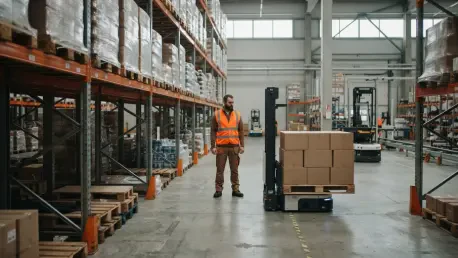
Retailers are increasingly moving beyond simple inventory management software to embrace physical automation as a core operational strategy. Currently, a significant portion of the retail sector is piloting humanoid robots and advanced drones designed to navigate both the warehouse and the store floor with precision. These technologies are not only streamlining the back-end logistics of moving heavy pallets of candy and snacks but are also being deployed in consumer-facing roles. For example, autonomous sampling kiosks and robotic assistants are now capable of engaging shoppers in-store, offering product tastes and information without human intervention. This shift addresses rising labor costs while ensuring that product availability is maintained at optimal levels. As drones become a standard for last-mile delivery in urban centers, the concept of a “quick snack” is being redefined by the speed of autonomous flight rather than a walk to the corner store. This mechanical evolution is creating a more resilient supply chain that can handle the high-volume, high-frequency nature of sweet packaged goods with minimal friction.
In parallel with physical automation, the rise of longevity-focused lifestyles and the widespread use of GLP-1 medications are fundamentally altering consumer expectations regarding portion sizes and caloric density. The confectionery industry is currently navigating a pivot toward “precision nutrition,” where AI helps brands formulate products that cater to specific health goals without sacrificing the sensory pleasure of a treat. Market data indicates that products featuring reduced sugar or functional ingredients are growing at a rate nearly triple that of the general snack category. This shift is driving a surge in research and development, with companies using machine learning to identify natural sweeteners and flavor enhancers that mimic the indulgence of traditional recipes. To maintain credibility in this health-conscious environment, many brands are adopting Web 3.0 technologies to provide absolute transparency regarding ingredient sourcing and ethical production. By allowing consumers to verify the “better-for-you” claims of a product via a digital ledger, companies are building a new layer of trust that goes far beyond what is printed on the physical wrapper.
Digital Commerce: The Rise of AI Agents
The concept of agentic commerce is perhaps the most disruptive force in modern retail, as AI agents begin to shop on behalf of human users with increasing autonomy. This transition requires brands to move away from traditional consumer-facing marketing and instead focus on convincing complex algorithms of their product’s value. For a confectionery brand, this means ensuring that every digital attribute—from nutritional density to price-per-ounce—is optimized for an AI’s decision-making matrix. Furthermore, backend automation is set to dominate at least 80% of global warehouses by 2028, further increasing operational efficiency while simultaneously reducing the traditional human touchpoints that brands once used to influence retail staff. This loss of human interaction means that visibility is no longer about winning over a store manager but about maintaining a flawless digital footprint. As these AI agents become more sophisticated, they will prioritize brands that offer consistent availability and transparent data, fundamentally changing how market share is won and held in the snack sector.
Social commerce platforms like TikTok are simultaneously collapsing the sales funnel by turning entertainment directly into instant checkout opportunities for billions of users. The “live commerce” model, which has seen explosive growth in recent months, allows brands to showcase products in real-time and capture sales immediately through integrated shop features. While this model thrives on impulse, it is an impulse driven by digital engagement rather than physical proximity. Brands are now racing to optimize their digital presence for AI-powered personalization to secure a spot in automated recommendations that appear during these live sessions. Although digital wallets have become the standard payment method, the industry still faces the challenge of overcoming consumer hesitation regarding agentic payments, where an AI is granted the authority to spend money autonomously. Bridging this trust gap is a primary objective for tech-forward snack companies, as those who successfully integrate with automated payment systems will likely capture the majority of the friction-free “craving” market.
New Consumer Behaviors: Digital Media Gatekeepers
Consumer interaction is moving rapidly away from mass media toward personalized, community-driven content where AI interfaces act as the primary gatekeepers of information. With a majority of Gen Z consumers expressing a willingness to let AI agents guide their eating decisions, brands must ensure they are highly visible within tools like ChatGPT or specialized health-tracking applications. AI also allows for a level of “content multiplication” that was previously impossible, enabling companies to trigger personalized advertisements based on a user’s digital calendar or biometric data. For instance, a smart assistant might suggest a specific high-protein snack exactly when it detects a user’s energy dip or a gap between meetings. This hyper-personalization turns the product into a solution for a specific moment rather than just a generic treat. The ability to sync ad delivery with these micro-moments is becoming a core competency for marketing teams, replacing broad-reach strategies of the past with a surgical focus on individual user context.
Despite the growing power of algorithms, the creator economy remains a vital source of human trust in a world increasingly mediated by machines. Food bloggers and niche influencers often carry more weight with their audiences than traditional celebrities or corporate advertisements, providing a sense of authenticity that AI cannot yet replicate. This human element is being seamlessly integrated into “closed-loop” retail media, where social media engagement and smart TV interactions are linked directly to measurable sales data. This transparency forces brands to be far more accountable and efficient with their advertising spend, as every digital interaction must now have a clear and traceable path to a purchase. By partnering with creators who have built genuine communities, confectionery brands can bypass some of the algorithmic filters and maintain a direct emotional connection with their customers. This hybrid approach—combining the data-driven precision of AI with the emotional resonance of human storytelling—is the current gold standard for media strategy.
Case Studies: Successful Technology Adoption
Several industry leaders have already established successful benchmarks for this technological transition, with Kroger being a standout example. By transitioning its eCommerce platform into an “agentic digital concierge,” Kroger uses meal-based conversations to automatically build grocery carts for its users, drastically reducing the time spent on routine shopping. In the logistics sector, Yum China has effectively utilized robotics within its cold-chain environments to eliminate human labor in extreme temperatures while cutting processing times by half. These examples demonstrate that automation is not just a theoretical goal but a practical solution to both consumer friction and operational inefficiencies within the supply chain. When a brand can successfully automate the most tedious parts of the shopping journey, it frees up the consumer to focus on the enjoyment of the product itself. These early adopters have proven that the integration of AI into the retail experience leads to higher conversion rates and greater customer loyalty over time.
Other iconic brands, such as KitKat, have successfully utilized “digital break mode” advertising to sync their messaging with specific shopping moments and consumer behaviors. This strategy led to a significant increase in conversion rates by targeting users precisely when they were most likely to be seeking a distraction or a treat. Meanwhile, smaller health-focused entities like Be Fit Food have demonstrated the immense value of “AI-readability” by optimizing their entire web domain for Large Language Models. This technical adjustment resulted in a massive surge in citations and recommendations by AI tools, proving that being machine-friendly is now a prerequisite for digital discovery in a crowded market. These case studies highlight a universal truth in the modern sector: whether a company is a global giant or a niche player, its success depends on its ability to speak the language of both the consumer and the algorithm. Those who fail to optimize for these new digital gatekeepers find themselves increasingly invisible to the next generation of automated shoppers.
Foundational Constants: Brand and Sensory Appeal
Despite the rapid pace of technological change and the rise of automated buying agents, certain fundamentals of the sweet packaged goods sector remain remarkably steady. Brand equity and the sensory experience of taste continue to serve as a powerful competitive moat that technology cannot easily replicate or replace. Iconic brands with established flavor profiles and emotional connections still hold a significant advantage because, at the end of the day, the consumer’s ultimate decision is driven by the pleasure of the product. An AI agent can recommend a snack based on health data and price, but it cannot experience the satisfaction of a familiar chocolate bar or the nostalgia of a childhood treat. For this reason, maintaining high quality and the distinctiveness of the core product is just as important as the tech stack that delivers it. Companies that prioritize innovation in flavor and texture alongside their digital investments are the ones most likely to maintain a lasting bond with their human audience.
Physical retail also remains the primary heart of impulse buying, where the “see it, want it, buy it” cycle is at its most effective and immediate. While digital channels and autonomous delivery continue to grow at an impressive rate, the immediate gratification offered by an in-store purchase remains a primary driver for the confectionery market. This physical presence provides a sensory experience—from the smell of the store to the tactile feel of the packaging—that digital interfaces have yet to fully duplicate. Furthermore, human nuances such as privacy concerns, the need for social proof, and the occasional desire for pure indulgence over health-conscious choices ensure that the industry remains grounded in traditional consumer psychology. The most successful brands are those that recognize this duality, building a high-tech digital presence while continuing to invest in the physical environments where their products can truly shine. This balance of the old and the new is the key to navigating a landscape that is both more automated and more personal than ever before.
Strategic Imperatives: Navigating the Future
The successful transition into this high-tech landscape depended on an organization’s ability to remain agile while preserving its core culinary identity. Brands that flourished during this period recognized that technology was not a replacement for flavor, but a sophisticated vehicle for its delivery. By reallocating capital toward data science and autonomous logistics, these leaders secured their positions in the digital baskets of both humans and AI agents. It was essential for companies to observe the movements of tech-heavy retail partners and “forward-looking” consumers, treating platforms like Amazon and TikTok as baseline requirements for survival. Preparing the internal tech stack to be fully “agentic-ready” became a non-negotiable priority, ensuring that all product data was easily digestible by machines and shoppable across every possible digital touchpoint. This proactive stance allowed the industry to move toward a hybrid existence where the pleasure of a chocolate bar was matched by the precision of the algorithm that suggested it.
Looking back at the progress made in the middle of this decade, the most resilient companies were those that successfully identified “change signals” and scaled their experiments in AI-driven content or autonomous delivery. This evolution required a significant shift in corporate culture, as organizations moved away from siloed marketing departments and toward integrated teams that merged culinary excellence with AI prompt engineering. By treating technology as a partner in the creative process, these brands were able to offer more personalized experiences than had ever been possible in the era of mass marketing. Ultimately, the transformation demonstrated that while the tools used to discover and purchase sweets had changed fundamentally, the goal remained the same: delivering a moment of joy to the consumer. The brands that thrived were the ones that mastered the digital landscape without losing the “soul” of their product, ensuring that they remained relevant in a world where the path to purchase was paved with both human emotion and algorithmic logic.