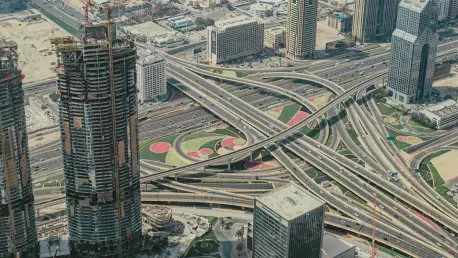

The global commercial landscape is witnessing a seismic shift as Dubai cements its status as a primary magnet for international capital and entrepreneurial ambition, recording an influx of 2,709 new member companies to its Chamber of Commerce in March 2026 alone. This significant expansion of the corporate community serves as a clear indicator of the emirate’s enduring appeal to international investors who are seeking stability and growth in an increasingly volatile global economy. The momentum observed during this period is not merely a localized trend but a reflection of a sophisticated economic model designed to withstand external pressures through proactive planning and policy agility. By maintaining a steady trajectory of growth, the region has demonstrated a unique capacity to convert global challenges into domestic opportunities. This surge in memberships highlights a profound confidence among the international business community, suggesting that the strategic foundations laid by leadership are yielding substantial results for both established entities and emerging startups entering the market.
Strategic Distribution Across Key Industrial Sectors
A granular analysis of the recent membership data reveals that the growth is remarkably balanced across several critical industries, rather than being concentrated in a single niche. The Real Estate, Renting, and Business Services sector emerged as the primary driver of this expansion, accounting for 41.2% of all new member companies during the month. This dominance reflects a broader trend of urbanization and the continuous demand for professional corporate support services within the region. Closely following this lead, the Trading and Services sector contributed 29.5% of the new registrations, showcasing the city’s traditional strength as a global logistics hub. Meanwhile, the Construction sector maintained a strong presence at 15%, and Social and Personal Services accounted for 9.3%. Such a diverse distribution of investment across various fields indicates a robust economic structure that minimizes dependency on any individual industry. This multifaceted approach ensures that the local economy remains resilient, as growth in one area can effectively offset potential slowdowns in others, creating a reliable environment for long-term operations.
The resilience of this economic landscape is largely attributed to a sophisticated regulatory framework and a culture of public-private collaboration that encourages transparency and operational efficiency. Mohammad Ali Rashed Lootah, President and CEO of Dubai Chambers, has emphasized that the current success is the product of an agile economic strategy that prioritizes the needs of the global business community. By fostering a dynamic environment where feedback from private enterprises is actively integrated into policy-making, the government has created a marketplace that is both predictable and innovative. This proactivity is essential for maintaining a competitive edge in 2026, where the speed of regulatory adaptation often determines the success of a regional economy. The commitment to providing high-quality investment opportunities has attracted a wide array of talent and capital, further solidifying the emirate’s reputation as a global capital for trade. This alignment between institutional goals and investor interests has resulted in a sustainable growth pattern that continues to draw thousands of new enterprises to the region every month.
Digital Innovation and Efficient Business Integration
Central to the ease of establishing a presence in this market is the aggressive implementation of digital transformation initiatives designed to streamline administrative processes for new and existing members. The introduction of DC Connect, a highly advanced digital platform, has revolutionized how companies interact with regulatory bodies by consolidating essential services into a single, user-friendly portal. Through this platform, chamber members can efficiently manage membership renewals, document attestation, and the issuance of certificates of origin without the need for traditional bureaucratic hurdles. This focus on service efficiency is a critical component of the broader strategy to enhance the ease of doing business and reduce operational overhead for international firms. By leveraging cutting-edge technology to handle routine corporate requirements, the region has effectively removed many of the barriers that typically hinder rapid market entry. This commitment to technological integration ensures that the business environment remains modern, accessible, and aligned with the expectations of digitally native organizations looking to scale their operations quickly.
The transition toward a fully integrated digital ecosystem provided a clear path for companies to maximize their operational efficiency while navigating a new market. Business leaders focused on long-term sustainability sought to leverage these digital tools to secure their supply chains and enhance their service delivery capabilities. Those who successfully integrated into this advanced infrastructure found themselves better positioned to capitalize on the region’s strategic location and its connections to emerging markets. The historical emphasis on creating a welcoming investment climate was balanced with a forward-looking approach to technological adoption, which allowed the emirate to remain a premier destination for global commerce. In the end, the successful combination of strategic policy and digital innovation established a model for sustainable economic expansion that other global cities aimed to replicate. Moving forward, enterprises were encouraged to prioritize digital readiness and local partnerships to ensure they remained competitive within this rapidly evolving trade hub, as the foundations for future prosperity were firmly rooted in the collaborative successes achieved during this period of high-volume corporate growth.