
The Resilience of Modern Finance Amid Global Turbulence
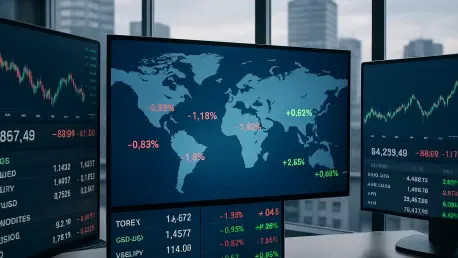
The global financial landscape is currently navigating a period where aggressive protectionism and high-intensity military conflict appear to be the new constants rather than the exceptions. Historically, such a combination of events would signal an immediate and prolonged market collapse, yet the sessions of early 2026 reveal a surprisingly robust recovery across international indices. Even as Middle Eastern hostilities escalate and the threat of a total trade embargo between Western allies looms, investors are demonstrating a sophisticated ability to decouple political noise from fundamental economic value. This analysis explores how the modern market architecture manages to stay afloat by prioritizing energy security and corporate health over visceral geopolitical fears.
A Historical Context of Volatility and Market Adaptation
To grasp this current resilience, it is essential to look at how market reactions to external shocks have evolved over recent years. In the past, the standard response to regional conflict was a rapid “flight to safety,” typically favoring gold or government bonds. However, the integration of global supply chains and the refinement of central bank intervention tools have created a different paradigm. Investors have learned that while initial shocks are painful, the long-term impact of tariffs is often mitigated by corporate restructuring and legal challenges. This historical perspective explains why a sudden 15% global tariff or a localized military strike no longer triggers the sustained panic seen in previous decades.
Navigating the Friction Between Trade Policy and Market Growth
The Paradox of Tariffs and National Indices
One of the most striking developments in the current climate is the disconnect between aggressive trade threats and local market performance. A prime example is the recent standoff between the United States and Spain, where a threatened total embargo followed diplomatic disagreements over military strategy. Despite these existential threats to trade, the Spanish IBEX 35 surged by 2.5%, suggesting that the market is looking toward the institutional barriers that prevent rapid, unilateral shifts in policy. The role of the judiciary in curtailing executive tariff powers provides a stabilizing force, allowing investors to price in temporary disruptions rather than permanent economic decline.
Energy Security as a Catalyst for Stabilization
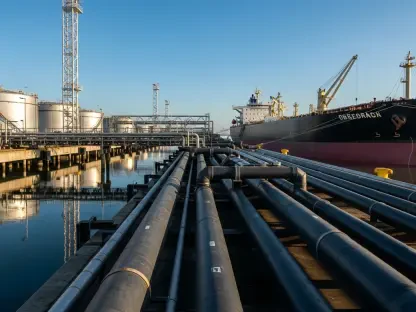
Geopolitics and energy prices remain inextricably linked, particularly when conflict threatens the vital Strait of Hormuz. The current ability of markets to withstand pressure is largely tied to proactive measures taken to secure maritime traffic and ensure the flow of oil. When the U.S. government pledged naval escorts and insurance for tankers, Brent crude prices eased toward $81 per barrel. This stabilization is a critical pillar for global markets; as long as the cost of energy remains predictable, the broader industrial and consumer sectors can maintain a degree of normalcy. Such intervention acts as a psychological buffer, preventing the inflationary spirals that typically accompany Middle Eastern instability.
Corporate Health Versus Macro-Economic Anxiety
While the macro-economic picture remains clouded by war, the micro-performance of individual companies continues to drive investor behavior. Significant gains in the pharmaceutical and gaming sectors demonstrate that the market is becoming more discerning, rewarding fundamental growth regardless of the political backdrop. For instance, Lottomatica’s 45% profit surge shows that internal operational success can outweigh external political friction. However, this trend is not universal; companies that fail to meet earnings expectations are punished severely by a market that is unforgiving of internal weakness, even as it chooses to ignore the surrounding geopolitical noise.
The Evolution of the Economic Landscape and Future Trends
Looking ahead, the resilience of global markets will likely be tested by deeper regulatory shifts and the acceleration of “near-shoring” strategies. The “tariff-first” diplomacy currently seen in Washington is forcing companies to adopt more flexible supply chain models to bypass potential trade barriers. Furthermore, the role of judicial oversight in economic policy will become a central theme, as markets increasingly rely on the courts to temper executive volatility. Future stability will depend less on the absence of conflict and more on the transparency of central bank communications and the robustness of international logistics during periods of high-intensity diplomacy.
Strategic Frameworks for Investors and Businesses
For professionals operating in this “new normal,” the primary takeaway is the heightened importance of diversification and fundamental analysis. Strategies should not be built solely on geopolitical predictions, which have proven unreliable, but rather on the health of specific sectors that can withstand trade friction. Businesses must prioritize supply chain flexibility and leverage legal protections available in their primary markets. By focusing on “controllables” like operational efficiency and debt management, organizations can effectively insulate themselves from the erratic nature of global trade wars.
Finding Stability in a Fragmented World
The global financial system demonstrated a remarkable degree of immunity to diplomatic shocks through the early months of the year. While specific regions like South Korea experienced acute volatility, the broader international framework relied on energy security and judicial constraints to maintain equilibrium. Decision-makers shifted their focus toward long-term structural resilience rather than reacting to daily headlines. This adaptability represented a fundamental change in how the world priced risk, proving that a cautious optimism could be maintained even in a fragmented and unpredictable global environment.