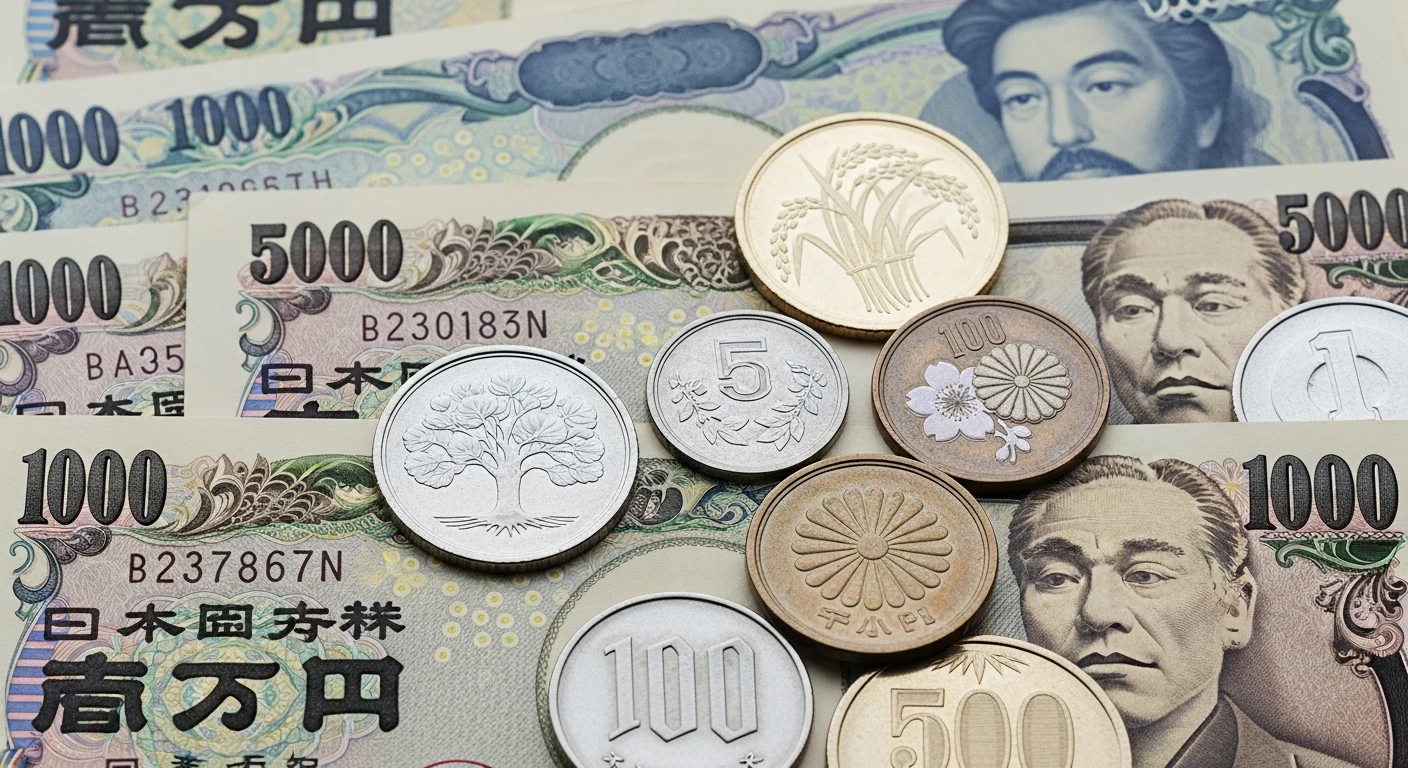

The Japanese yen continues to grapple with intense downward pressure as it lingers near its lowest valuation in forty years, forcing the Ministry of Finance and the Bank of Japan to evaluate the efficacy of aggressive market interventions against the persistent backdrop of global interest rate differentials. In the current economic landscape of 2026, the contrast between Tokyo’s cautious monetary normalization and the more restrictive policy stances of the Federal Reserve remains the primary catalyst for this currency depreciation. This divergence has created a multifaceted challenge for Japanese officials who must balance the advantages of a weak currency for major exporters against the intensifying burden of high costs for imported energy and essential consumer goods. For a nation that relies heavily on external supply chains, the yen’s continued slide is no longer a technicality for currency traders but a structural threat to the domestic economy that requires a strategic response to restore global confidence and market stability.
Monetary Pressures and Structural Economic Impacts
Central to the yen’s ongoing decline is the fundamental misalignment between Japan’s short-term interest rates and the yield environments found in other major developed markets. While the Bank of Japan has moved away from its long-standing negative interest rate policy, these incremental adjustments have often failed to keep pace with the higher-for-longer narratives dominating the United States and Europe. Investors naturally prioritize higher-yielding assets, leading to a massive carry trade that effectively sells the yen to purchase currencies with better returns. This capital flight places sustained pressure on the exchange rate that cannot be easily mitigated through verbal warnings or minor policy tweaks. Furthermore, the psychological threshold of specific price levels has triggered automated selling programs, which tend to exacerbate the downward trend. To stabilize the situation, Japan’s monetary authorities have had to consider more significant shifts in their bond-buying programs to reduce liquidity.
Beyond the technicalities of bond yields, the real-world impact on the Japanese corporate sector reveals a deepening divide between multinational giants and smaller domestic enterprises. Large-scale manufacturers such as Toyota and Sony historically benefited from a weaker currency as it boosted the value of overseas earnings when converted back into yen. However, the current extreme levels have reached a point of diminishing returns where the cost of raw materials and energy imports begins to offset these financial gains. Small and medium-sized businesses, which form the backbone of the Japanese economy, are particularly vulnerable because they lack the sophisticated hedging capabilities of their larger counterparts. These firms face a critical situation as their profit margins are squeezed by the soaring costs of imported components and fuel. Consequently, the government has been pressured to provide subsidies, creating a fiscal burden that complicates the broader effort to reduce national debt while supporting the yen’s value.
Ultimately, the path to stabilizing the Japanese yen required a delicate recalibration of the nation’s entire economic framework rather than a singular focus on exchange rate management. Policymakers discovered that relying solely on central bank interventions provided only short-lived relief, leading them to prioritize the attraction of foreign direct investment into Japan’s burgeoning technology and green energy sectors. By fostering an environment where international capital sought long-term growth within Japan, the natural demand for the currency began to see a more sustainable recovery. This strategic pivot underscored the importance of integrating trade policy with monetary goals to ensure that the currency reflected the true strength of the domestic economy. Future considerations for financial authorities involved strengthening regional swap lines and diversifying reserve assets to provide more leverage during periods of volatility. The lesson learned was that currency stability was achieved by creating structural conditions.