
For the first time in nearly a decade, the Canadian public is placing a higher premium on economic expansion than on ecological conservation, signaling a fundamental transformation in the national psyche. This significant pivot, captured in a recent Angus Reid Institute study, indicates a departure from the environmental-first mindset that characterized federal elections in 2019 and 2021. As domestic financial pressures mount and geopolitical instability threatens trade stability, the collective focus has moved toward leveraging the nation’s energy resources to secure immediate prosperity. This change is not merely a fleeting sentiment but represents a pragmatic response to a world where resource security is increasingly tied to national stability and household survival. Canadians are increasingly wary of policies that might compromise their standard of living, especially as the cost of basic goods continues to rise across the provinces. Consequently, the previous urgency surrounding climate action is being tempered by the harsh realities of a complex global market.
The Statistical and Financial Drivers of Change
Recent polling data reveals that 61 percent of Canadians now favor economic growth as the core pillar of energy policy, representing a sharp rise from just seven years ago when the majority prioritized the environment. At that time, approximately 55 percent of the population viewed ecological protection as the paramount concern, reflecting a very different political landscape. Today, concerns over the national standard of living and potential trade disruptions have overshadowed previous calls for urgent climate action, as the electorate grapples with a tightening economy. This shift reflects a more grounded perspective on how energy exports contribute to the overall wealth of the nation, particularly when traditional trade routes through the United States face potential volatility. Many citizens feel that Canada must aggressively bring its vast resources to market to maintain its global standing. The sense of environmental fervor has cooled significantly, replaced by a cautious focus on ensuring that the national economy remains resilient against outside shocks and internal fiscal deficits.
A primary catalyst for this profound change is a deepening cost-of-living crisis that is forcing families to prioritize immediate financial security over long-term climate goals. Global instability and the constant threat of trade tensions have made the prospect of robust energy exports more attractive to an electorate that is currently struggling with high inflation and interest rates. While the energy industry is on track to earn significant profits due to high global prices, there is a fierce debate regarding how much of this wealth actually reaches the average citizen. Critics argue that although high oil prices improve government balance sheets and corporate dividends, these gains do not always alleviate the day-to-day financial struggles of ordinary people. Nevertheless, the promise of job creation and tax revenue from resource development remains a powerful motivator for the public. As people see their purchasing power diminish, the allure of a resource-driven economic boom becomes difficult to ignore, leading to a broader acceptance of energy-intensive industries that were once viewed with more skepticism.
Regional Shifts and Infrastructure Support
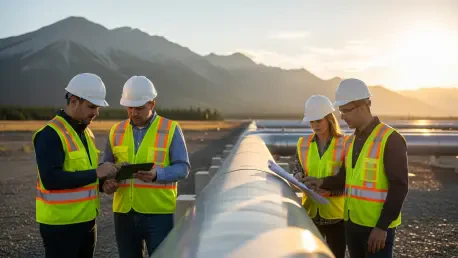
Infrastructure projects that were once met with heavy resistance are now seeing a surge in public approval across the country, particularly regarding the transport of natural gas and oil. In British Columbia, a province traditionally known for its staunch environmental activism and opposition to fossil fuel expansion, the sentiment has undergone a dramatic reversal. For instance, opposition to major pipeline development has plummeted from over half the population to less than a third in recent years. This trend suggests that even in historically “green” regions, the economic arguments for natural gas and oil development are gaining significant traction among residents who see the potential for regional development and high-paying jobs. The expansion of existing networks, such as the Westcoast natural gas pipeline, now enjoys majority support from coast to coast. This change in public opinion has provided a new level of social license for companies to proceed with projects that were previously stalled by legal challenges and public protests, signaling a new era for Canadian resource extraction and transportation.
Political leadership is rapidly adapting to this trend, with federal and provincial leaders exploring a more cooperative approach to energy projects than in previous years. High-level negotiations between the federal government and provincial premiers now focus on balancing increased production with sophisticated carbon reduction strategies. These discussions often involve the implementation of carbon capture and storage technology and the maintenance of industrial carbon pricing to satisfy international climate commitments while maximizing output. This burgeoning alignment between different levels of government indicates a strategic shift toward bringing Canadian resources to the Pacific coast more efficiently and reliably. The federal administration has signaled that new pipelines are more probable than ever before, reflecting a pragmatic realization that energy security is a cornerstone of modern sovereignty. By integrating environmental safeguards directly into the economic expansion plans, leaders hope to placate remaining critics while moving forward with massive infrastructure investments that are seen as vital for the nation’s long-term fiscal health and international trade.
Long-Term Risks and Public Perception
Despite the newfound momentum for energy development, some experts warn that investing heavily in fossil fuel infrastructure carries significant long-term financial risks that could burden future generations. There are valid concerns that as the global economy shifts toward electrification and renewable energy, new pipelines could become “white elephants”—expensive assets that lose their market value before they are even paid off. This perspective highlights the ongoing tension between immediate economic needs and the rapidly evolving future of the global energy market, where demand for oil and gas may eventually peak and decline. Critics suggest that the massive capital required for these projects might be better spent on diversifying the energy grid or supporting emerging clean-tech sectors. Furthermore, the reliance on government subsidies to de-risk these projects has become a point of contention, with some arguing that public funds are being diverted from more sustainable investments. This debate underscores the complexity of the transition, as the nation attempts to capitalize on its current strengths while preparing for a global low-carbon reality.
The Canadian public reached a consensus that the immediate benefits of resource development outweighed the theoretical risks of infrastructure obsolescence in the near term. Stakeholders recognized that the path forward required a dual focus on maximizing current assets while aggressively investing in the technologies that will define the next phase of global energy. The most effective strategy involved leveraging current energy profits to fund the transition to a more diverse and resilient grid, ensuring that the economic boom of today did not become the liability of tomorrow. Policy makers were advised to maintain a flexible regulatory framework that could adapt to changing global demand patterns without sacrificing environmental standards. Ultimately, the shift in public sentiment provided a mandate for a more assertive energy policy that prioritized national prosperity. By focusing on both extraction and carbon mitigation, the country attempted to secure its financial future while acknowledging its role in a changing climate. This pragmatic approach served as a blueprint for balancing the demands of a modern economy with the necessity of long-term ecological stewardship and technological innovation.