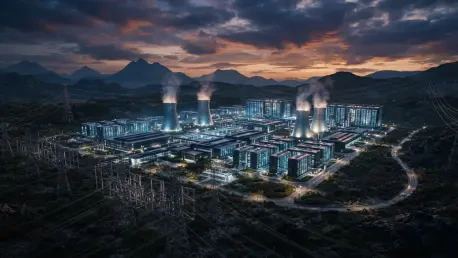

A transition to growthflation means the national economy will likely see mid-two percent GDP growth while inflation remains stuck in the mid-three percent range. This unique economic environment represents a significant shift from traditional cycles where inflation usually cools as growth slows. Instead, the United States is entering a period where artificial intelligence acts as a structural stabilizer, preventing the onset of a recession that many analysts previously feared. Research from Cal State Fullerton economists Anil Puri and Mira Farka suggests that while the cost of living remains stubbornly high, the aggressive integration of automated systems and advanced computing into the corporate landscape provides a necessary productivity floor. This transformation allows for moderate expansion despite the prevailing headwinds of elevated interest rates and global instability. By bridging the gap between historical stagnation and modern expansion, AI serves as the primary engine keeping the national economy afloat, even as consumers grapple with the persistent reality of higher prices for goods and services.
Technological Integration: Driving Productivity and Labor Realignment
The primary driver of this national resilience is the massive infusion of capital into AI infrastructure, a movement that is projected to contribute a full percentage point to the real GDP. This surge in spending is not merely theoretical but is manifested in the large-scale deployment of specialized hardware and the development of large language models tailored for specific industrial applications. As companies pivot toward high-efficiency workflows, the demand for high-performance computing centers and sophisticated software solutions continues to grow. This trend suggests that the economy is no longer solely dependent on consumer spending but is increasingly bolstered by industrial modernization. While these investments provide a buffer against economic contraction, they also sustain demand for energy and high-tech components, which naturally contributes to the underlying inflationary pressures that characterize the current growthflation era. Consequently, the focus has shifted toward maximizing the output of every dollar invested in these emerging technologies.
As companies pivot toward these high-efficiency workflows, a “Y-shaped” labor market becomes increasingly evident, reflecting the complex relationship between technology and employment. This model illustrates a distinct divergence where technology development and infrastructure maintenance create roughly 845,000 new, high-paying roles across the country. Conversely, the automation of repetitive tasks leads to the displacement of about 380,000 positions in administrative support and customer service sectors. This realignment forces a rapid evolution of the workforce, where the demand for technical literacy outpaces the supply of traditional labor, further cementing the role of technology as the dominant economic force. Locally, the defense and aerospace sectors provide a regional silver lining, bolstered by over $4 billion in recent venture capital. However, the friction of this transition means that while aggregate employment numbers remain stable, the individual experience of the labor market varies significantly based on one’s proximity to tech development.
Economic Obstacles: Infrastructure Gaps and Market Volatility
While California continues to be a central hub for innovation, attracting more than half of the country’s venture capital for artificial intelligence, the state faces a significant regional bottleneck in physical development. High electricity costs and stringent regulatory environments have caused California to lag behind states like Texas and Virginia in the construction of the data centers essential for supporting the AI boom. This infrastructure gap threatens to throttle local growth despite the influx of investment capital. Beyond regional issues, a “G-shaped” generational divide is redefining social equity across the nation. Data reveals a staggering concentration of wealth, with those over the age of 70 holding 33.6% of national assets, while the population under 40 controls only 6.5%. Although lower-income households experienced temporary gains through pandemic-era government transfers, the subsequent waves of inflation have largely eroded those improvements, leaving younger workers in a precarious financial state.
Navigating the housing crisis and energy volatility required a departure from traditional fiscal strategies to ensure long-term sustainability. Policy makers recognized that the “lock-in” effect, where homeowners held onto low mortgage rates and kept inventory 33% below historical norms, necessitated aggressive zoning reforms and construction incentives. Simultaneously, the impact of geopolitical disruptions in Ukraine and the Middle East on diesel supplies was addressed by diversifying refining capabilities to lower the transportation costs that kept consumer prices elevated. Organizations that successfully adapted focused on reskilling the workforce to bridge the generational wealth gap and utilized AI-driven logistics to mitigate freight expenses. These proactive steps moved the economy toward a more balanced state, where technological gains finally began to outpace the structural costs of the era. By prioritizing infrastructure development and social equity, leaders established a framework that allowed the national economy to stabilize and eventually transcend the limitations of persistent inflation.