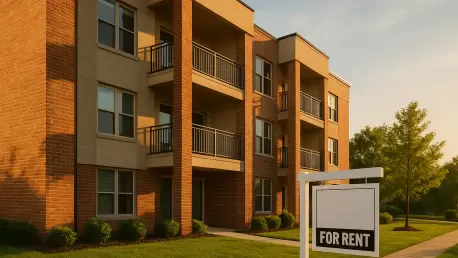

Without significant changes to supply-side factors like revised zoning laws, the affordability gap for renters in the county is expected to continue widening. While this region is celebrated for its lush landscapes and high-performing schools, a quiet crisis is simmering beneath its polished exterior. For many families who provide the essential labor that keeps the local economy running, the American dream of stability is increasingly out of reach. Chester County often ranks as the wealthiest in Pennsylvania, yet this statistic obscures the daily struggles of those who rent rather than own property. High property values are a point of pride for long-term homeowners, but they act as a formidable barrier for younger residents and service workers. This divergence creates a socio-economic environment where the cost of entry is prohibitively high, leading to a situation where even dual-income households find themselves on the brink of housing insecurity. This pattern threatens the community’s long-term sustainability and social cohesion today.
The Financial Reality of Renting in an Affluent Region
Assessing the True Cost: Local Rent Burden
Although Chester County’s rent-burden rate of 43.5% remains statistically lower than the national average, the figure itself is somewhat misleading due to the extraordinary concentration of wealth within specific zip codes. For the thousands of families falling into this category, the financial strain is intense and immediate. Median rents for modest two-bedroom units currently start at approximately $2,050, frequently climbing above $2,700 for homes that can accommodate larger households. These high baseline costs mean that even in an area perceived as affluent, four out of every ten renting families must spend a disproportionate amount of their gross income just to keep a roof overhead. This financial pressure is not merely a number on a spreadsheet; it represents a forced trade-off between paying rent and accessing critical necessities such as healthcare, nutritious food, and long-term savings. When nearly half of a paycheck is dedicated to housing, there is very little margin for error or emergency.
The Economic Divide: Income vs. Market Rates
The economic divide in the county becomes most apparent when comparing the median income of homeowners to that of renter households. Generally, renters in this region earn between $65,000 and $72,000 annually, which is significantly less than half of the median income for the general population. Because the county’s real estate market is overwhelmingly geared toward homeownership—with roughly 75% of residential units being owner-occupied—the rental market remains a narrow and highly competitive segment. This structural imbalance leaves middle-to-low-income tenants with almost no bargaining power in a landlord-dominated market. The limited supply of rental properties ensures that prices remain elevated, as demand consistently outstrips available inventory. Consequently, many families find themselves forced to spend nearly 50% of their gross pay on median-priced family housing, a situation that is sustainable only in the short term. This lack of inventory is a direct result of decades of policy.
Structural Barriers and Market Supply Challenges
The Scarcity Challenge: Family-Sized Rental Units
A significant mismatch between existing inventory and the actual needs of residents further complicates the search for affordable housing in this region. While two-bedroom units make up a fair portion of the available market, the supply of three-bedroom rentals is remarkably thin, failing to accommodate the needs of larger families or multi-generational households. This shortage is not a localized coincidence but is driven by restrictive zoning laws and high construction costs that favor luxury apartments over family-oriented developments. Permitting delays and local opposition to increased density also discourage the construction of what is often called “missing middle” housing—duplexes, townhomes, and small apartment buildings. Consequently, the limited pool of family-sized units keeps prices artificially high, regardless of broader economic shifts or national trends in the housing market. Families are often forced into overcrowded conditions or sub-optimal housing arrangements without many choices.
Moving Forward: Solving the Homeownership Trap
The local housing crisis reflected a broader national trend where nearly twenty years of underbuilding resulted in a massive deficit that was not easily corrected. In Chester County, high property values created a steep barrier to entry for homeownership, effectively trapping middle-income families in the rental market for extended periods. As more families competed for a stagnant number of apartments, the increased demand pushed prices upward. To move forward, stakeholders implemented strategies that prioritized the redevelopment of underutilized commercial spaces into mixed-use residential areas. This shift allowed for greater density without encroaching on the county’s valued open spaces. Communities also explored the implementation of community land trusts and public-private partnerships to ensure that a portion of the housing stock remained permanently affordable. These initiatives were successful because they addressed the root causes of the housing shortage while fostering a more inclusive and resilient local economy.