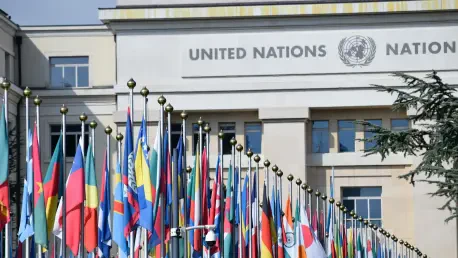

The geopolitical architecture of the twenty-first century continues to rest on a foundation built in 1945, a time when most of the African continent remained under colonial rule. This historical exclusion has created a profound rift between the institutions of global governance and the demographic realities of the modern world. As the international community grapples with complex security crises, the absence of a permanent African voice at the highest level of decision-making has become impossible to ignore.
A Global Power Balance Excluding 1.4 Billion People
The United Nations Security Council makes decisions that dictate the course of international peace and security, yet it currently operates without a single permanent representative from Africa. It is a striking contradiction that a continent home to nearly 20% of the world’s population remains sidelined in the highest echelons of global governance. French President Emmanuel Macron’s diplomatic mission to Addis Ababa addressed this head-on, questioning how a body designed for global stability can remain effective while ignoring the geographical realities of the current era.
The legitimacy of global institutions depends on their ability to reflect the world they serve. Without representation, the decisions made in New York often lack the local context and buy-in necessary for long-term success. Macron emphasized that the persistence of this outdated structure undermines the very principles of democracy and equality that the United Nations was founded to protect.
Moving Beyond Post-Colonial Diplomacy in Addis Ababa
Macron’s visit to Ethiopia and his meetings at the African Union headquarters marked a significant pivot in how European powers approach the continent. This is no longer about traditional aid; it is about a strategic partnership necessitated by shifting global trends. The current structure of the UN Security Council is a relic of the post-World War II era, and as African nations become increasingly central to global trade and climate solutions, the demand for structural reform has reached a tipping point.
This diplomatic shift recognized that European and African interests are now inextricably linked. By engaging directly with the African Union in its own capital, France signaled that the era of paternalistic diplomacy has ended. The focus has moved toward a model of mutual respect where African leaders are viewed as essential architects of the new international order rather than passive recipients of Western policy.
Redefining the UN Security Council for the Modern Era
The push for reform centers on the urgent need to grant Africa permanent seats on the Security Council to ensure the body’s continued relevance. During the Africa Forward Summit, the dialogue shifted from theoretical support to a formal endorsement of political inclusion. By advocating for permanent African and Latin American representation, Macron signaled a departure from the status quo, arguing that the Council lacks legitimacy if it continues to exclude the regions where most peacekeeping operations are focused.
This transition aimed to transform the Council from a closed club of five permanent members into a more representative and effective decision-making body. The proposal sought to break the decades-long deadlock on reform by framing it as a necessity for global security rather than just a matter of fairness. Such a change would allow the Council to address 21st-century threats with a level of authority that is currently absent.
High-Level Endorsements for Structural Change
The call for reform is supported by a powerful consensus among international leaders. UN Secretary-General António Guterres has been vocal about the Council’s geographical legitimacy crisis, noting that the absence of African voices undermines the organization’s ability to solve modern conflicts. During high-level talks with Ethiopian Prime Minister Abiy Ahmed, the sentiment was clear: the international community cannot expect a continent of 1.4 billion people to adhere to a global order in which they have no permanent say.
This collaborative stance between France, the UN, and the African Union provided a credible roadmap for challenging the historical imbalances that have long dictated international law. Leaders agreed that a reformed Council would be better equipped to handle the intersection of climate change, migration, and regional stability. This unified front represented a significant milestone in the long-standing effort to modernize the UN charter.
Fueling Growth Through Green Energy and Digitalization
The diplomatic push for UN reform is backed by a substantial economic framework designed to modernize African infrastructure. France moved beyond rhetoric by announcing a $63.9 million loan agreement specifically tailored for Ethiopia’s green energy expansion and digital transition. On a broader scale, the French government worked to mobilize $27 billion in both public and private investment to stimulate inclusive growth across the continent.
These funds were prioritized for sustainable development projects, ensuring that as African nations gain a louder voice in global politics, they also possess the technological and economic foundation to thrive. This integrated approach combined political advocacy with tangible financial support, creating a blueprint for future cooperation. These initiatives ultimately laid the groundwork for a more equitable partnership that prioritized environmental resilience and digital sovereignty as the pillars of modern African growth.