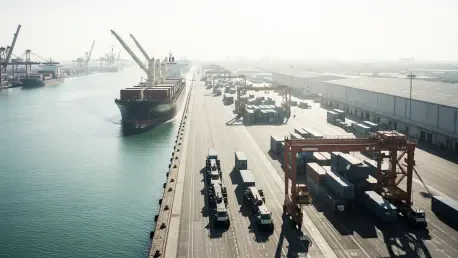

The opening four months of 2026 have witnessed a transformative surge in Indonesian maritime activity, signaling a robust era of economic expansion driven by a revitalized logistics network and soaring domestic demand across the archipelago. As the primary manager of the nation’s port infrastructure, PT Pelabuhan Indonesia, commonly known as Pelindo, has documented a substantial increase in cargo volumes that underscores the country’s rising industrial capacity. This positive momentum indicates that the strategic investments made into port modernization are beginning to yield significant returns, allowing Indonesia to navigate the complexities of global trade with newfound agility. The steady climb in shipping activity serves as a primary barometer for the health of the national economy, reflecting both the resilience of domestic supply chains and the increasing attractiveness of Indonesian goods in the international marketplace. By examining these early benchmarks, it becomes clear that the maritime sector is not merely maintaining its previous performance but is actively scaling up to meet the demands of a high-growth environment.
This period of growth is particularly noteworthy because it demonstrates a successful adaptation to shifting economic realities that have historically challenged the logistical efficiency of the region. The data gathered through the first third of the year suggests that despite various pressures on the global stage, the Indonesian logistical backbone is proving to be both durable and expansive. This expansion is deeply rooted in a synchronized effort to harmonize port operations with industrial output, ensuring that the flow of goods remains uninterrupted even as volumes reach record highs. As the nation reinforces its position as a central node in the global trade network, the performance of its major ports provides critical insights into the broader production and investment cycles that define the current economic landscape. The maritime sector’s ability to absorb these increased workloads while maintaining operational fluidity is a testament to the comprehensive planning and execution strategies that have been implemented over the recent months.
Data Insights: Container Throughput and Operational Scaling
In a clear demonstration of operational success, Pelindo reported handling 6.42 million Twenty-foot Equivalent Units (TEUs) during the first four months of 2026, marking a significant milestone in the organization’s performance history. This volume represents a healthy 7 percent increase compared to the corresponding period in the previous year, highlighting a consistent and sustainable rise in the movement of goods through the nation’s maritime gateways. Such a trajectory is indicative of an economy that is successfully leveraging its geographic advantages and infrastructure improvements to boost throughput. The increase in TEUs is not just a numerical achievement but a reflection of the rising efficiency of the national supply chain, which has managed to accommodate larger workloads without the bottlenecks that have occasionally hampered performance in the past. This growth suggests that the systemic upgrades to loading and unloading protocols are paying off, allowing for a more rapid turnaround of vessels and a higher density of cargo management.
A more granular analysis of these figures reveals that the international shipping sector has been the primary engine of this growth, posting an impressive 11 percent surge in container traffic since the start of the year. This spike reflects a strong global appetite for Indonesian products and a corresponding increase in the importation of essential industrial components required for domestic manufacturing. Meanwhile, domestic shipping has maintained a stable growth rate of 4 percent, providing a reliable foundation for the internal distribution network across the many islands of the archipelago. Together, these statistics illustrate a balanced expansion where both international engagement and local consumption are contributing to the momentum of the maritime sector. The disparity between international and domestic growth rates highlights the success of recent trade agreements and the effectiveness of export-oriented policies that have targeted high-demand markets. This dual-track growth ensures that while the nation looks outward to global opportunities, it remains firmly committed to strengthening its internal logistical connectivity.
Strategic Resilience: Navigating Global Economic Headwinds
One of the most defining characteristics of the 2026 maritime report is Indonesia’s ability to maintain a stable trade environment despite the geopolitical tensions and economic shifts that have introduced volatility into Western markets. This resilience is largely the result of a deliberate and strategic pivot toward intra-Asian trade routes, which have provided a much-needed buffer against disruptions on transcontinental lanes. By prioritizing relationships with regional partners, particularly within the ASEAN bloc and with major trade allies like China, the country has effectively insulated its maritime economy from the more severe consequences of global supply chain fragmentation. This regional focus has allowed for shorter, more reliable shipping cycles and has fostered a trade ecosystem that is less dependent on the economic cycles of distant nations. The current trade data confirms that these regional alliances are now the primary drivers of Indonesian commerce, accounting for a majority of both imports and exports.
By maintaining high-growth partnerships within Asia, Pelindo and the Indonesian government have secured a reliable cushion that supports long-term logistical stability and economic predictability. This approach has proven particularly effective in managing the flow of raw materials and finished goods, which remain the lifeblood of the nation’s industrial sector. The concentration of trade within the region has also encouraged the development of more specialized shipping services that cater specifically to the needs of neighboring markets, further enhancing the efficiency of the maritime network. As global trade dynamics continue to evolve, the ability to rely on a strong regional base ensures that Indonesia remains a competitive and attractive destination for foreign investment. This strategic positioning not only protects the current growth trajectory but also provides a solid foundation for future expansion as the nation explores new avenues for cooperation and trade integration across the Asian continent.
Industrial Evolution: Downstreaming Policies and Export Composition
The specific types of goods moving through Indonesian ports in 2026 offer a compelling narrative regarding the success of the government’s ambitious “downstreaming” policy, which aims to transition the economy from a raw material exporter to a high-value manufacturing hub. Export growth is increasingly being driven by processed and value-added products, such as chemical goods, specialized machinery, and refined oils, which have begun to displace unprocessed ores and minerals in the shipping manifests. This shift is a clear indication that the domestic processing industry is becoming more sophisticated and globally competitive, allowing the nation to capture a larger share of the value chain. The rising volume of these finished products not only boosts export revenues but also requires a more advanced logistical approach, as these goods often necessitate specialized handling and storage solutions. Pelindo has adapted to this change by enhancing its facility capabilities to better serve the needs of modern industrial manufacturers.
On the import side of the ledger, there has been a notable and sustained spike in the procurement of capital goods, including precision instruments and heavy industrial machinery, throughout the first half of 2026. These imports are the essential building blocks for expanding local production capacity and modernizing existing factories, signaling that Indonesian businesses are aggressively investing in their future output. The high demand for these technological inputs suggests a widespread confidence in the long-term prospects of the domestic economy and a commitment to maintaining a competitive edge in the global market. This trend is particularly vital because it creates a virtuous cycle where increased imports of machinery lead to higher domestic production, which in turn fuels further export growth. By facilitating the smooth entry of these capital goods, the maritime sector is playing an indispensable role in the broader industrialization of the country, ensuring that the tools of progress are readily available to manufacturers across all sectors.
Structural Enhancement: Port Infrastructure and Regulatory Adaptation
To keep pace with the rapidly rising demand for maritime services, the Ministry of Transportation has introduced several pivotal regulatory changes that have modernized the way port facilities are managed and utilized. One of the most significant developments is the implementation of Regulation PM 50, which allows for the flexible conversion of multipurpose facilities into specialized container terminals. This policy has already led to the designation of twelve new terminals in strategic locations across the country, providing the necessary capacity to handle the overflow from existing hubs. By allowing ports to pivot their operations based on current trade needs, the government has introduced a level of agility that was previously lacking in the state-managed infrastructure. This specialization is directly responsible for reducing dwell times and increasing the overall speed of port operations, as dedicated terminals are better equipped to manage high-volume container traffic than general-purpose facilities.
Beyond these regulatory shifts, a massive infrastructure overhaul involving 74 different locations is currently being executed to ensure that the nation’s ports can accommodate the next generation of trade. These projects focus on deepening shipping channels through extensive dredging operations, which will allow larger, more efficient vessels to dock at Indonesian ports. Additionally, the expansion of stacking yards and the modernization of loading and unloading equipment are being prioritized to prevent the kind of bottlenecks that can stifle economic growth. These investments are designed to ensure that the maritime infrastructure can handle the projected increases in trade volume from 2026 through 2028 and into the future. By proactively addressing physical constraints before they become critical issues, the government and state-owned enterprises like Pelindo are demonstrating a long-term commitment to maintaining a world-class logistical network that can support a modern, industrialized nation.
Archipelago Integration: Regional Growth and the Hub Model
The 2026 trade data highlights a positive and long-awaited trend toward the decentralization of economic activity, with a significant increase in the volume of goods being distributed to the resource-rich regions of Eastern Indonesia. While major traditional hubs like Tanjung Priok in Jakarta continue to see healthy growth, secondary ports are playing an increasingly vital role in the national distribution network. This “hub and spoke” model is successfully bridging the gap between the western industrial centers and the eastern islands, fostering a more equitable distribution of wealth and opportunity across the archipelago. The growth of regional ports reduces the reliance on a few centralized gateways, which in turn lowers the overall risk of systemic failure and improves the resilience of the domestic supply chain. This shift is also encouraging the development of local industries in areas that were previously underserved by the national logistical framework.
Makassar Port, in particular, has emerged as a regional powerhouse in 2026, recording significant growth fueled by the movement of agricultural commodities such as rice and corn. The revitalization of the agricultural economy in South Sulawesi and the surrounding provinces is a direct result of improved maritime connectivity, which allows local farmers to access larger markets more efficiently. This surge in regional activity demonstrates that the benefits of maritime growth are being felt far beyond the industrial heartlands of Java. Improved shipping routes and better-equipped regional ports ensure that essential goods and economic opportunities reach even the more remote parts of the country, contributing to national stability and social cohesion. By continuing to invest in these secondary gateways, Pelindo is ensuring that the entire nation can participate in and benefit from the ongoing economic expansion, creating a more integrated and prosperous maritime economy for all citizens.
Digital Efficiency: The Role of Technology in Modern Logistics
A central pillar of the strategy for maintaining the growth observed in 2026 involved the total digital transformation of port operations to eliminate traditional inefficiencies and reduce overhead costs. Pelindo focused on the integration of automated terminal operating systems and real-time container tracking to provide a seamless interface for customs authorities and transport providers. This shift toward high-tech logistics was designed to create a “smart port” environment where data-driven decision-making could optimize every aspect of the shipping process. By reducing the reliance on manual paperwork and human intervention, the organization successfully lowered the cost of doing business at Indonesian ports, making the nation’s exports even more attractive to price-sensitive international buyers. The implementation of these digital tools also enhanced the security and transparency of the supply chain, providing stakeholders with greater confidence in the reliability of Indonesian logistics.
Industry leaders recognized that the path forward required a sustained commitment to technological innovation and legislative consistency to ensure that the progress made in the early months of 2026 could be maintained through 2028. The strategic focus shifted to the deployment of artificial intelligence for predictive maintenance and vessel scheduling, which further minimized operational downtime and maximized the utilization of existing assets. By establishing a robust digital foundation, the maritime sector provided actionable insights that allowed policymakers to identify and address emerging trends in real-time. These efforts were complemented by training programs aimed at upskilling the workforce, ensuring that the human element of the logistical chain could keep pace with the rapid technological advancements. Ultimately, the successful integration of these digital strategies solidified Indonesia’s reputation as a forward-thinking maritime nation, capable of leveraging technology to drive sustainable economic growth in a competitive global environment.