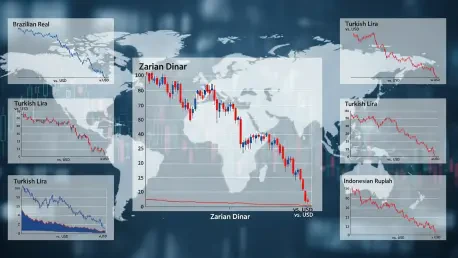

The sudden and sustained escalation of international crude oil benchmarks has initiated a systemic shock across the financial landscapes of developing nations, threatening to unravel years of steady growth. As energy prices climb, net oil importers are forced to allocate a disproportionate share of their foreign currency holdings to settle international trade accounts, leading to a precipitous decline in their current account balances. This fiscal strain is particularly evident in South Asia and parts of Africa, where the industrial reliance on fossil fuels remains high despite recent efforts to diversify energy sources. The resulting depletion of foreign exchange reserves restricts the ability of central banks to defend their national currencies against speculative attacks. Consequently, the downward pressure on exchange rates becomes self-reinforcing, as a weaker currency makes future oil purchases even more expensive in local terms. This dynamic creates a volatile environment that discourages foreign investment and complicates long-term planning for major domestic corporations.
The Liquidity Drain: How Reserve Management Fails
The immediate consequence of expensive energy is often an aggressive intervention by central banks, which attempt to stabilize their falling currencies by selling off US dollar reserves. In countries such as India and Indonesia, policymakers have historically utilized these buffers to dampen the volatility of the rupee and rupiah, yet the scale of current price hikes is testing the limits of this strategy. When reserves begin to dwindle, international credit rating agencies often reassess the sovereign risk profile of the nation, which can lead to higher borrowing costs on the global market. This scarcity of liquidity is further exacerbated when domestic businesses scramble to secure hard currency to pay for upcoming shipments, driving the price of the dollar even higher. The depletion of these financial cushions leaves economies vulnerable to external shocks, as there is less capital available to mitigate the impacts of unforeseen global events or sudden shifts in investor sentiment and regional stability.
Beyond the immediate liquidity issues, the rising cost of fuel forces governments to make difficult choices regarding existing subsidies that often keep energy affordable for the general public. While maintaining these subsidies helps prevent immediate social unrest, it significantly widens the fiscal deficit and puts additional pressure on the national currency by signaling a lack of fiscal discipline. Conversely, removing these price controls leads to a rapid spike in transportation and manufacturing costs, which quickly translates into broader consumer inflation. This inflationary environment discourages domestic consumption and can lead to a stagnation of the gross domestic product as the cost of living outpaces wage growth. As the currency continues to lose value against the dollar, the cost of servicing existing external debt, which is usually denominated in foreign currency, increases. This cycle threatens to push several emerging markets toward a debt crisis, as revenue generated in local currency becomes insufficient to cover obligations.
The situation necessitated a shift toward more resilient economic frameworks that prioritized energy independence and the diversification of foreign exchange sources. Governments moved to accelerate the integration of renewable energy infrastructure, such as utility-scale solar and wind projects, to reduce the structural demand for imported fossil fuels. Financial authorities also explored the implementation of local currency settlement systems for international trade, which aimed to decrease the reliance on the US dollar for bilateral transactions. These measures were designed to provide a more stable foundation for long-term growth by insulating the domestic economy from the volatility of global commodity markets. Investors were encouraged to focus on sectors that demonstrated low energy intensity, while businesses adopted more sophisticated hedging strategies to manage currency risk. By fostering a more self-sufficient industrial base, nations sought to restore investor confidence and mitigate the severity of future currency fluctuations.