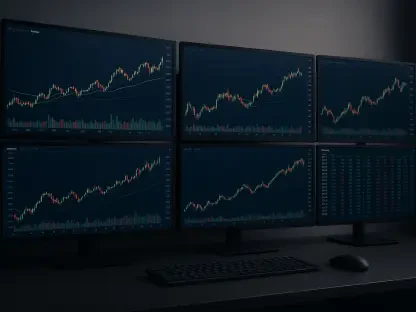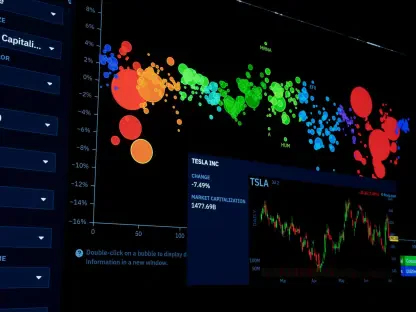

Secretary Scott Bessent is spearheading a strategic intervention in the bond market as the 30-year Treasury bond recently climbed to its highest level in 19 years. This surge in long-dated yields has sparked significant concern across the financial landscape, as it directly influences everything from mortgage rates to the cost of corporate expansion. The Treasury Department responded by doubling the scale of its debt buyback operations, a move designed to inject much-needed liquidity into a market that has become increasingly volatile. Historically, high yields on long-term government debt signal expectations of persistent inflation or a massive supply of new bonds that the market is struggling to absorb. By stepping in to purchase older, less traded securities, the federal government aims to stabilize the price of bonds and exert downward pressure on interest rates. This tactical shift represents an aggressive use of the buyback tool, highlighting the urgency felt within the administration to maintain economic momentum while managing federal debt obligations effectively.
Strategic Market Liquidity Management
Expansion of the Buyback Program
The Treasury Department recently announced that it would increase its weekly buyback operations from the previously established limits to a much more robust pace, targeting a wider range of maturities to ensure market depth. This expansion focuses on “off-the-run” securities, which are older Treasury issues that tend to trade less frequently than the most recently issued bonds. When these older bonds become illiquid, it can cause distortions in the yield curve and make it more expensive for the government to issue new debt. By absorbing these less liquid assets, the Treasury provides a reliable exit for institutional investors, who can then reinvest that capital into newer, “on-the-run” benchmarks. This process effectively greases the wheels of the financial system, reducing the liquidity premium that investors often demand during periods of uncertainty. Market participants have noted that this increased frequency of buybacks provides a safety net that encourages more active trading and tighter bid-ask spreads across various maturity dates.
Future Fiscal Stability and Policy Directions
The decision to double the buyback program established a new precedent for how the federal government managed periods of extreme market stress. Financial leaders and policy experts evaluated these maneuvers as a necessary evolution of the Treasury’s toolkit, providing a buffer against the structural shifts in global capital flows observed between 2026 and 2027. Moving forward, observers recommended that the Treasury continue to refine its transparency regarding the timing and selection of specific bond tranches to maximize the psychological impact on the market. It was also suggested that private sector participants should maintain higher levels of capital reserves to weather potential volatility if the buyback program reaches its limits. Policymakers noted that the ultimate goal remained a balanced fiscal trajectory that did not rely solely on market interventions. By taking these decisive steps, the administration sought to secure a more stable path for the national economy, ensuring that long-term financing remains accessible for both the public and private sectors through the end of the decade.